
In our fast-paced world, the pursuit of wellness has become more important than ever. Amidst the endless search for health solutions, the ancient practice of yoga offers a timeless and holistic path to physical vitality, mental clarity, and inner peace. Yoga is not merely a form of exercise; it is a sophisticated science of well-being that masterfully integrates physical postures (asanas), controlled breathing techniques (pranayama), and mindfulness to create a state of profound balance. Today, this transformative practice is more accessible than ever, with a wealth of resources available, including comprehensive Online Yoga Classes that bring the wisdom of the studio directly into your home.
This guide will walk you through foundational yoga exercises and pranayama techniques designed to enhance your overall wellness, focusing on proper form, benefits, and crucial safety considerations.
The Foundation: Finding Your Seat
Every meaningful yoga practice begins with a stable and comfortable foundation. The way you sit is critical, as it sets the stage for both meditation and pranayama. A proper posture allows energy, or prana, to flow freely and enables the lungs to expand fully. Two of the most common and effective seated poses are:
- Sukhasana (Easy Pose): This is the classic cross-legged position. The key is to sit with a straight, elongated spine, allowing your shoulders to relax away from your ears. If your hips are tight, elevating them by sitting on a cushion or folded blanket can make a significant difference, helping to keep your spine aligned and comfortable for longer periods.
- Vajrasana (Thunderbolt Pose): In this pose, you kneel and sit back on your heels. Vajrasana is unique because it is one of the few postures that can be practiced immediately after a meal, as it is known to aid digestion by increasing blood flow to the abdominal region. If you experience knee pain, placing a cushion between your heels and sitting bones can provide relief.
The Power of Breath: An Introduction to Pranayama
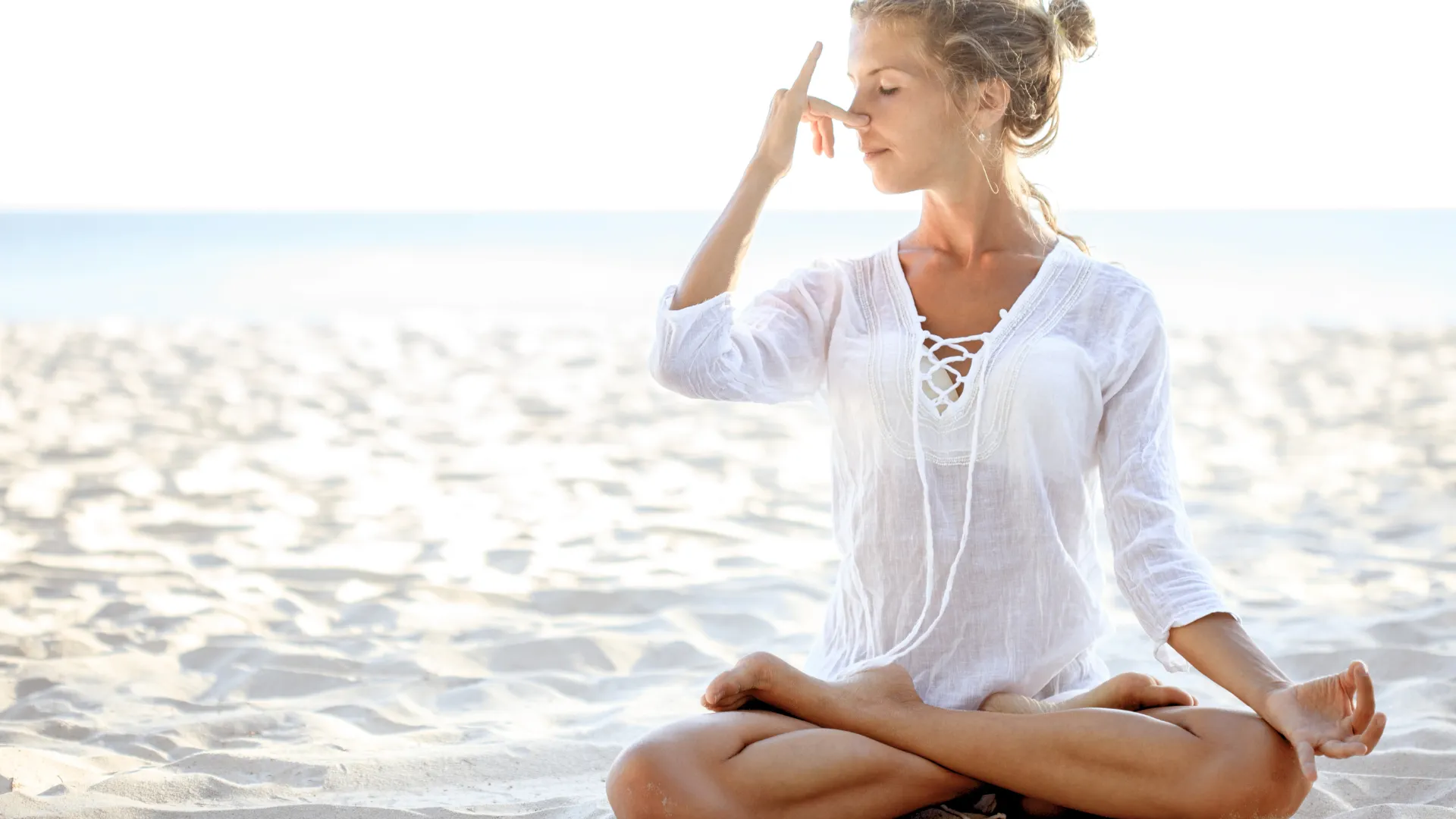
Pranayama, the formal practice of controlling the breath, is the cornerstone of yogic wellness. In yoga, the breath is seen as the most vital source of life force. By learning to regulate it, we can directly influence our nervous system, calm our minds, and purify our bodies. Two powerful pranayama techniques that serve as excellent starting points are Bhastrika and Kapalbhati.
Bhastrika involves a vigorous and forceful process of both inhalation and exhalation, driven by the movement of the diaphragm, much like the action of a bellows.
- How to Practice: Sit in a comfortable posture with a straight spine. Inhale forcefully, allowing your abdomen to expand, and exhale forcefully, drawing your abdomen in. Both parts of the breath are active and equal in length and force. Start with a small round of 10-15 breaths, then rest and observe the sensations in your body.
- Benefits: This technique is incredibly energizing. It increases oxygen levels in the blood, invigorates the entire body, and helps to clear the mind. It is excellent for clearing congestion in the lungs and can help to boost metabolism.
- Important Precautions: Bhastrika is a powerful practice and is not suitable for everyone. It should be avoided by pregnant women, individuals with high blood pressure, heart conditions, hernias, or ulcers. It is also advisable not to practice it if you have recently undergone abdominal surgery.
Also read: Yoga for Mental Clarity and Focus
Kapalbhati is a cleansing technique that focuses on sharp, forceful exhalations while the inhalations remain passive and automatic.
- How to Practice: While seated, take a natural breath in. Begin exhaling in short, powerful bursts by snapping your abdomen inwards. Allow the inhalation to happen naturally in the space between exhalations. It should feel as though you are actively pushing the air out and passively letting it return.
- Benefits: Kapalbhati is a fantastic practice for detoxifying the body. It cleanses the respiratory tract, strengthens the abdominal muscles, and stimulates the internal organs, especially those involved in digestion. Regular practice is also believed to improve focus and bring a natural radiance to the face.
- Important Precautions: Similar to Bhastrika, Kapalbhati should be avoided by those who are pregnant or have high blood pressure, hernias, or recent abdominal surgeries. Always listen to your body and stop if you feel dizzy or uncomfortable.
Integrating Asana for Deeper Wellness
While pranayama works on an energetic level, asanas work on the physical body, releasing tension, building strength, and improving flexibility. When practiced together, they create a synergistic effect that enhances overall health. The following postures are particularly beneficial for stimulating the digestive system and releasing tension from the back and hips.
This pose applies gentle pressure to the abdominal area, making it highly beneficial for the digestive organs.
- How to Practice: Start in Vajrasana. Make fists with your thumbs tucked inside and place them on either side of your navel. Exhale, and as you bend forward, press your fists into your abdomen. Rest your forehead on the floor if possible, while keeping your sitting bones in contact with your heels. Breathe deeply into your belly.
- Benefits: Mandukasana is renowned for its positive effects on the pancreas, making it an excellent pose for managing diabetes. It also stimulates the stomach and intestines, helping to improve digestion and relieve gas.
Implementation of a 17-week standardized yoga program at the school level significantly decreased stress, improved attention and concentration, metabolic and clinical parameters in Indian adolescents
Often practiced as a counter-pose to Mandukasana, Shashkasana provides a gentle stretch to the spine and has a profoundly calming effect.
- How to Practice: From Vajrasana, inhale and raise your arms overhead. As you exhale, hinge from your hips and fold forward, bringing your forehead and arms to the floor. Allow your entire back to relax and release.
- Benefits: This posture helps to calm the nervous system, making it effective for relieving stress, fatigue, and anger. It provides a gentle stretch for the back, hips, and thighs.
This is a seated forward bend that targets one leg at a time, allowing for a deep, focused stretch.
- How to Practice: Sit with your legs extended. Bend your right knee and place the sole of your right foot against your inner left thigh. Inhale to lengthen your spine, and exhale as you fold forward over your extended left leg. Hold onto your foot, ankle, or shin, keeping your spine as long as possible.
- Benefits: Janu Sirsasana deeply stretches the hamstrings, groin, and spine. It also stimulates the liver and kidneys, aids digestion, and can help to calm the mind and relieve mild anxiety.
The Value of Personalized Guidance
While online resources provide incredible access to yoga, the importance of proper instruction cannot be overstated. Correct alignment and technique are crucial to prevent injury and receive the full benefits of the practice. This is where personalized guidance becomes invaluable. For those seeking tailored instruction that addresses their specific body, limitations, or health goals, One to One Online Yoga Classes offer a perfect solution. A qualified instructor can provide real-time feedback, offer modifications, and design a practice that is perfectly suited to your individual needs.
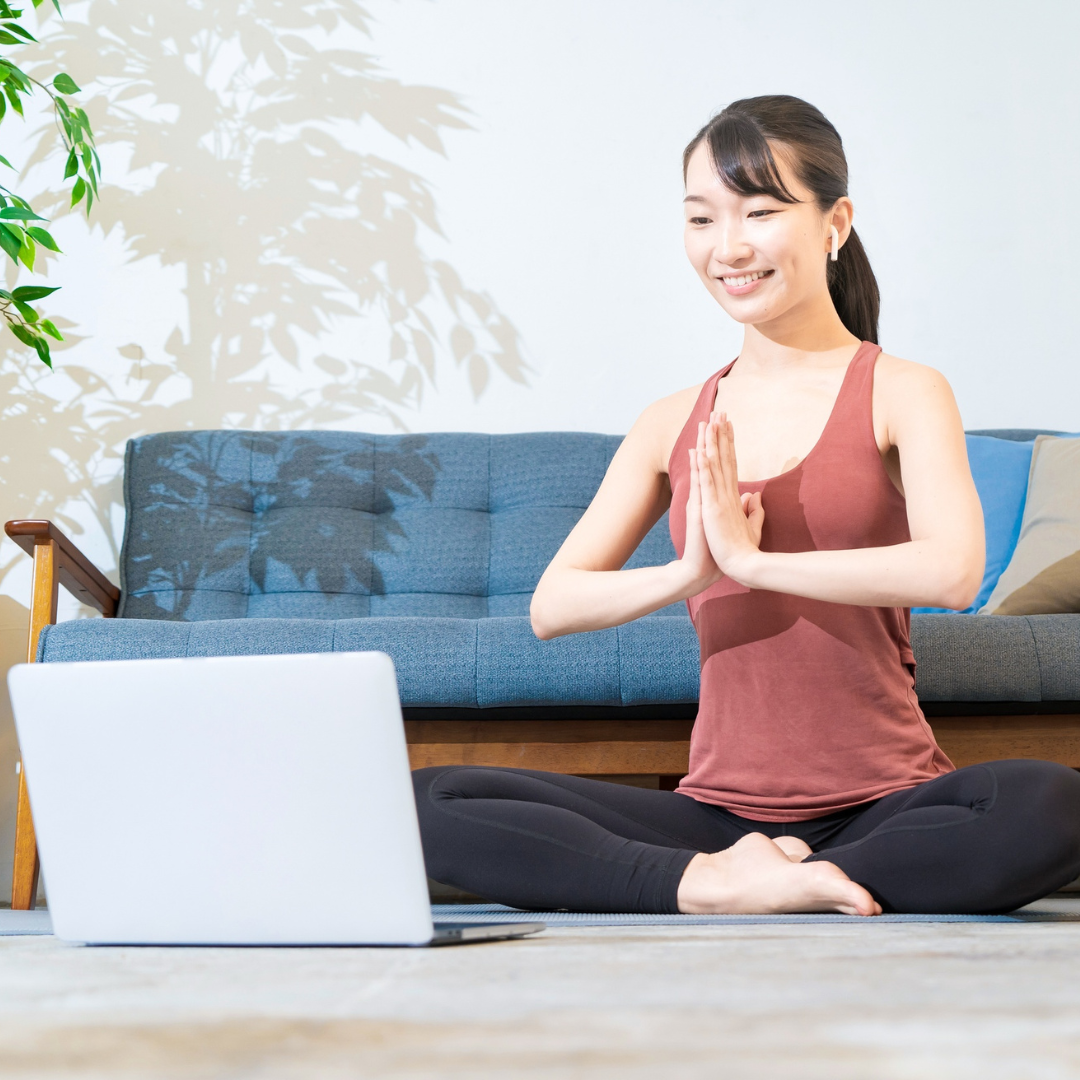
By thoughtfully combining asana and pranayama, you create a powerful practice that nurtures your body, calms your mind, and uplifts your spirit. This integrated approach to yoga is a journey toward lasting wellness, inviting you to connect more deeply with yourself one breath and one posture at a time.
Inquiry
If you have any questions, please feel free to reach out. We’ll be glad to help!