
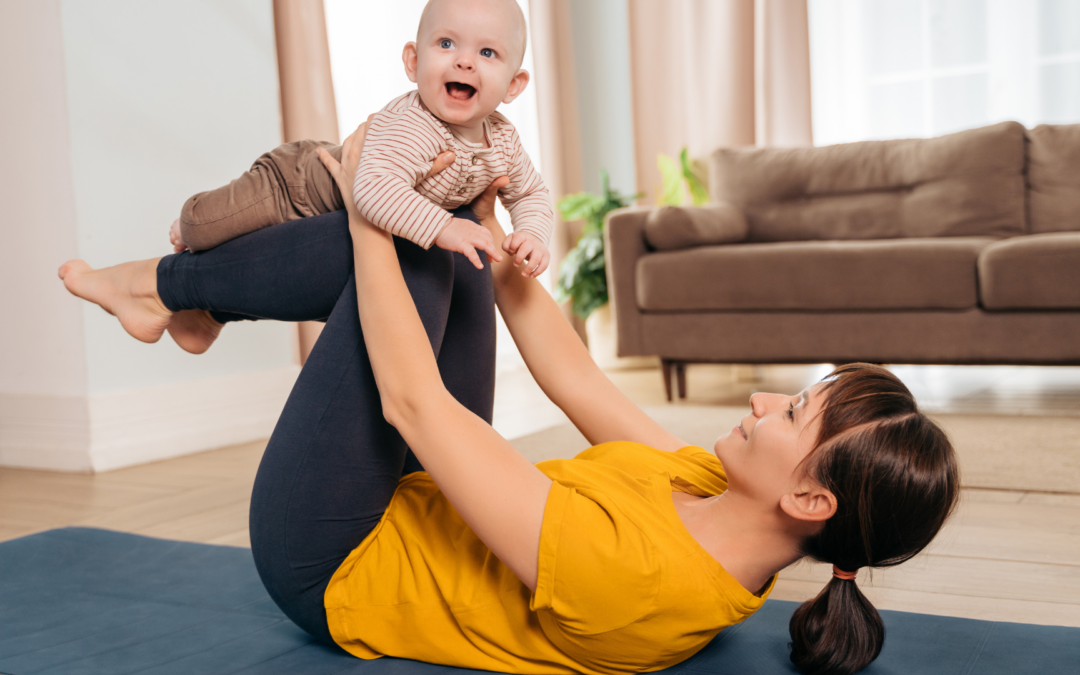
Postnatal yoga is a gentle and restorative practice that supports a new mother’s journey of healing, strength, and self-discovery. After childbirth, a woman’s body undergoes significant physical and emotional changes, and yoga offers a safe method to recover balance, improve posture, and reduce stress. Many mothers turn to trusted platforms like Shyambhai yoga to begin this journey from the comfort of their homes, allowing them to connect with their bodies while caring for their newborns.
Among new moms who practiced yoga, 76% felt more energetic for their daily chores, and 83% reported improved flexibility—results that are maximized when not fighting restrictive clothing or a cluttered space
Why Preparation Matters Before You Begin
Although postnatal yoga is a calming experience, it still requires focus, comfort, and the right environment. Proper preparation ensures your safety, enhances the benefits of each session, and helps you stay consistent even when your daily routine revolves around your baby. From clothing and equipment to mental readiness, being well-prepared makes your practice more rewarding.
Choosing the Right Clothing
Wearing the right clothes can make a huge difference in your yoga experience. Clothes that are too tight can restrict movement, while overly loose outfits may get in the way during poses or while adjusting your posture. The ideal clothing is:
- Stretchable and breathable
- Soft on the skin to avoid irritation, especially around sensitive areas like the abdomen or chest
- Supportive, especially around the bust and waist
Opt for high-waisted leggings or yoga pants that support your abdominal muscles without compressing them too much. Pair them with lightweight tops, preferably ones that are moisture-wicking and allow free arm movement.
Picking the Right Sports Bra
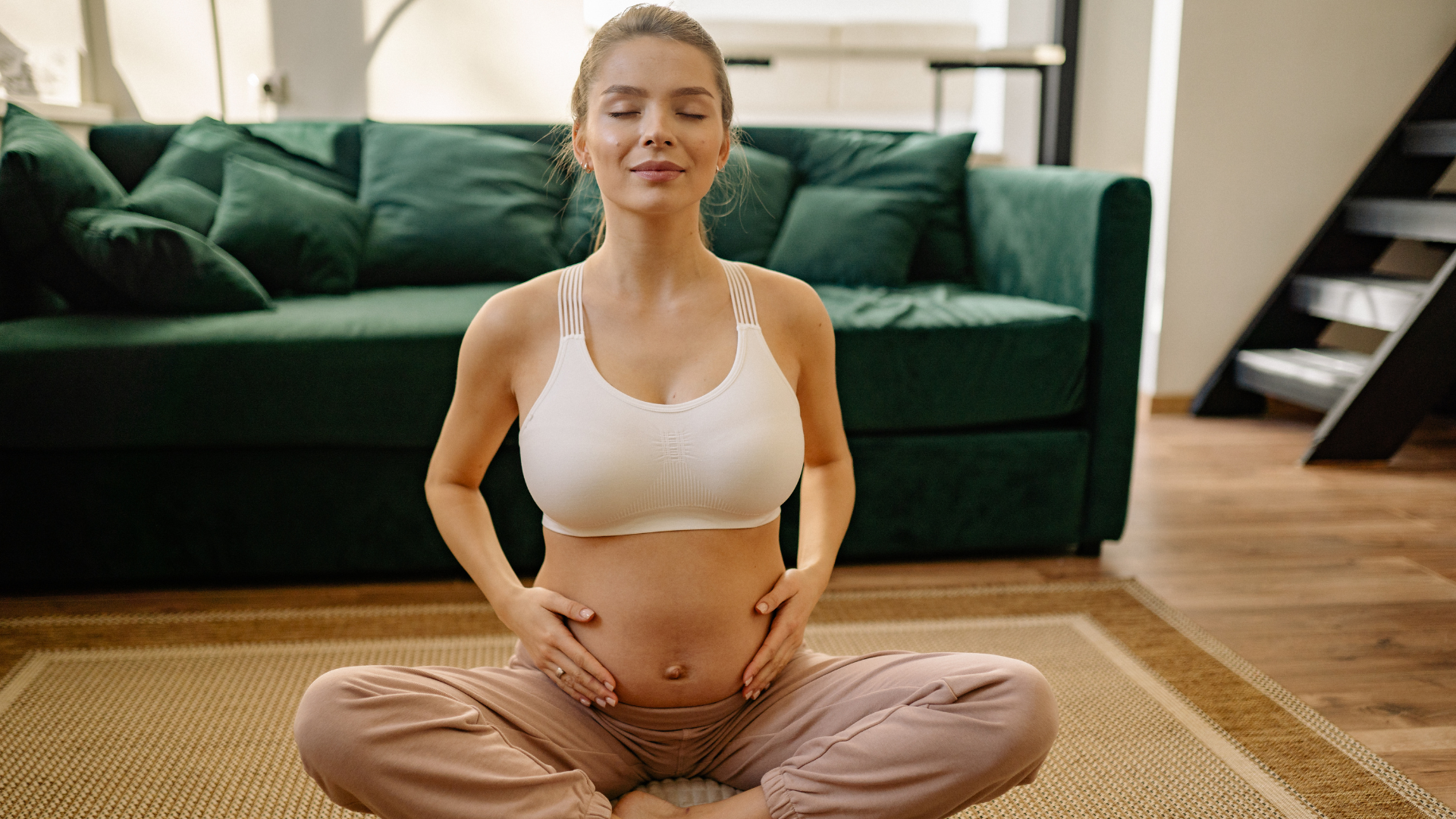
Post-delivery, your breasts may be sensitive due to hormonal changes or breastfeeding. A supportive, non-wired sports bra helps you move comfortably without pressure. Look for:
- Soft fabrics
- Adjustable straps
- Easy nursing access, if you’re breastfeeding
Avoid bras with metal hooks or tight straps that may cause discomfort during stretches or while lying on your back.
Comfortable and Safe Yoga Mat
Your mat should offer stability and cushioning to protect your joints and spine. A non-slip yoga mat that is at least 6mm thick is ideal to support knees, wrists, and back. Ensure it is clean and free from dust or spills to prevent slipping during practice.
Useful Props to Support Your Practice
Props help you modify poses safely and make them more comfortable for your recovering body. Some helpful items include:
- Yoga Blocks: Provide support during balancing poses or forward bends
- Bolster or Pillow: Supports your back or abdomen during restorative poses
- Yoga Strap or Scarf: Helps stretch without overextending muscles
- Chair or Wall: Offers extra stability during standing poses
Having these props nearby ensures you can adapt movements according to your comfort and physical strength.
Creating a Calm Practice Space at Home
For effective sessions in Online Post Natal Yoga Classes, your environment plays a key role. Set up a quiet corner in your home where you can move freely without disturbance. Ensure:
- Good ventilation and natural light if possible
- A soft mat or carpeted floor for extra support
- Minimal noise or interruptions
- Easy access to water and a towel
You may also add calming elements like soft music, essential oil diffusers, or warm lighting to make it a soothing space.
Hydration and Light Snacks
Drink enough water before you start your yoga practice. Avoid practicing immediately after a heavy meal. If you feel low on energy, have a light snack such as:
- A banana
- Handful of nuts
- Whole-grain cracker
Staying hydrated helps maintain energy levels and supports muscle recovery.
Practicing Safely with Your Baby Nearby
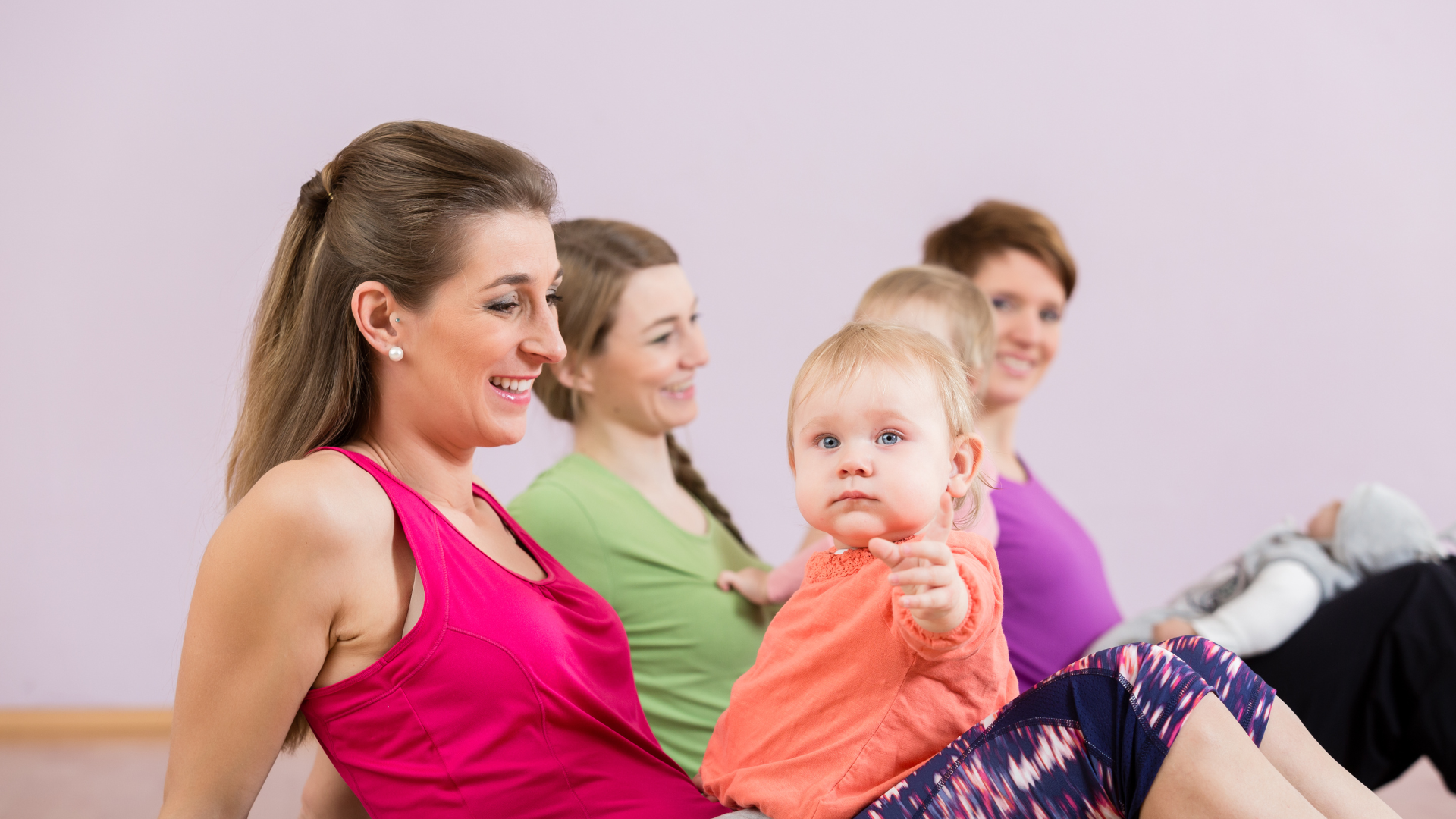
One of the benefits of practicing postnatal yoga at home is being close to your baby. You can lay your baby on a clean blanket near your mat or include them in simple bonding poses. However, ensure:
- The baby is placed safely away from your movement space
- You avoid poses that require sudden transitions
- You pause the class if your baby needs attention
Consulting a Doctor Before You Begin
Every childbirth experience is unique. Before starting yoga, it is important to get approval from your gynecologist or healthcare provider, especially if you had:
- A C-section
- Complications during delivery
- Severe back pain or diastasis recti
- Excessive fatigue or dizziness
Once your doctor confirms you are fit to exercise, you can safely begin guided sessions.
Listening to Your Body
Your body is still healing, so avoid pushing yourself too hard. If you feel pain, dizziness, or extreme fatigue during poses, gently stop. Yoga is not about perfection but awareness and patience. Focus more on breathing, alignment, and gentle movements rather than complex postures.
Also read, “When Is the Ideal Time to Begin Your Postnatal Yoga Journey?”
Breathwork and Mindfulness Preparation
Postnatal yoga involves not only physical poses but also breathing exercises like deep diaphragmatic breathing and alternate nostril breathing. Practicing these helps:
- Calm the mind
- Improve lung capacity
- Reduce anxiety and mood swings
- Enhance better sleep
Mindfulness and meditation help you reconnect with your body and emotions after childbirth.
How to Stay Consistent with Online Practice
Consistency is key to seeing results. You can stay motivated by:
- Scheduling your yoga sessions at a fixed time daily
- Keeping classes short but regular (20–30 minutes)
- Setting small goals like improved posture or mood
- Joining supportive communities of new mothers
Tips to Prepare for the Second Half of Your Yoga Journey
As your strength improves gradually, your instructor might introduce more advanced poses. This is the stage where flexibility and practice meet progress. During this time, remember that your comfort and safety matter more than speed. Your core and pelvic muscles will get stronger slowly with each session, so allow your body the time it needs.
Essentials to Keep Ready Before Each Class
Before logging in to your session, make sure you have:
- Water bottle
- Clean towel
- Yoga mat, props, and light clothing
- Hair tied loosely if needed
- A calm and distraction-free environment
Preparation avoids interruptions, helping you stay fully immersed in your breathing and movement.
The Role of Routine and Rest
Yoga is as much about rest as it is about movement. Ensure you get adequate sleep and rest between sessions. If your baby’s schedule makes it hard, try yoga sessions when your baby naps or early in the morning. Over time, your mind and body will adjust to this routine, making it a part of your daily life.
Joining Virtual Communities
Being part of an online group helps you feel supported and motivated. You can share your progress, ask questions, and learn from other mothers. Many platforms offering Online Yoga Classes also include group sessions, chat forums, and one-on-one consultations to help you grow confidently at your own pace.
Final Thoughts: Your Journey Begins with Self-Love
Preparing for postnatal yoga is about creating a balance between your responsibilities and self-care. The right clothing, clean practice space, supportive props, hydration, and a calm mind can make your sessions meaningful and healing. Always remember, it’s okay to move slowly and rest often. As long as you show up for yourself, you are making beautiful progress. With guidance from trusted instructors and platforms like Shyambhai yoga, you can embrace this journey of renewal, strength, and peace.
Inquiry
If you have any questions, please feel free to reach out. We’ll be glad to help!