

Fertility challenges can be emotionally overwhelming, physically exhausting, and mentally draining. In such moments, practices like yoga offer a space of peace, self-connection, and healing. Many individuals and couples today turn to fertility yoga to support their reproductive health naturally. Guided by meaningful movements, breathing practices, and mindfulness, fertility yoga can create harmony between the body, mind, and emotions. Shyambhai yoga brings this experience into the comfort of your home, making this journey more accessible and personalized than ever.
As more people explore holistic therapies, Online Fertility Yoga Classes have gained popularity for their effectiveness and convenience. These classes are specifically designed to address hormonal imbalances, reduce stress, improve blood flow to reproductive organs, and enhance emotional balance. If you’re considering joining one, you might wonder—what actually happens during these sessions? Understanding the structure, atmosphere, and expectations can help you feel better prepared and confident.
Introduction to the Class Environment
Most online fertility yoga sessions begin with a warm, welcoming atmosphere. You are encouraged to find a comfortable space at home—quiet, clean, and free from distractions. Instructors often advise keeping a yoga mat, cushion, blanket, and water nearby. Some suggest dim lighting or soothing background music to help set a calming tone.
The instructor typically begins with a gentle greeting, a brief overview of the session’s theme, and a short check-in on how participants are feeling physically and emotionally. This creates a supportive and empathetic environment, which is essential for fertility-focused yoga.

Centering and Breathwork (Pranayama)
Breathing is one of the core elements of fertility yoga. At the beginning of the class, participants are guided into grounding exercises—such as sitting comfortably or lying down in a relaxed position. You may be asked to close your eyes, place one hand on your heart and the other on your abdomen, and observe your breath.
Common breathing techniques include:
- Deep abdominal breathing: Helps stimulate the parasympathetic nervous system to reduce anxiety and stress.
- Nadi Shodhana (Alternate Nostril Breathing): Balances the left and right brain hemispheres, calms the mind, and improves hormonal health.
- Bhramari (Humming Bee Breath): Known for its soothing, meditative hum that relaxes the nervous system.
These techniques encourage physical and emotional balance and prepare the body for movement.
Warm-Up Movements
After breathwork, the session transitions into gentle warm-up exercises. These might include neck rolls, shoulder rotations, wrist stretches, and side bends. Slow spinal movements—like Cat-Cow pose (Marjaryasana-Bitilasana)—are commonly used to stimulate blood flow and release tension from the lower back and pelvic region.
These warm-ups are designed not for intensity but for ease, fluidity, and preparation of the reproductive organs for improved circulation and energy flow.
Fertility-Focused Yoga Poses
This is the heart of the class. The poses (asanas) used in fertility yoga are carefully selected to improve pelvic alignment, increase blood circulation to the uterus and ovaries, and stimulate the endocrine system. Some commonly practiced poses include:
- Supta Baddha Konasana (Reclining Bound Angle Pose): Opens the hips and enhances blood flow to reproductive organs.
- Viparita Karani (Legs Up the Wall): Relieves tired legs, reduces stress, and enhances circulation to the pelvis.
- Bridge Pose (Setu Bandhasana): Strengthens the lower back, abdomen, and stimulates thyroid function.
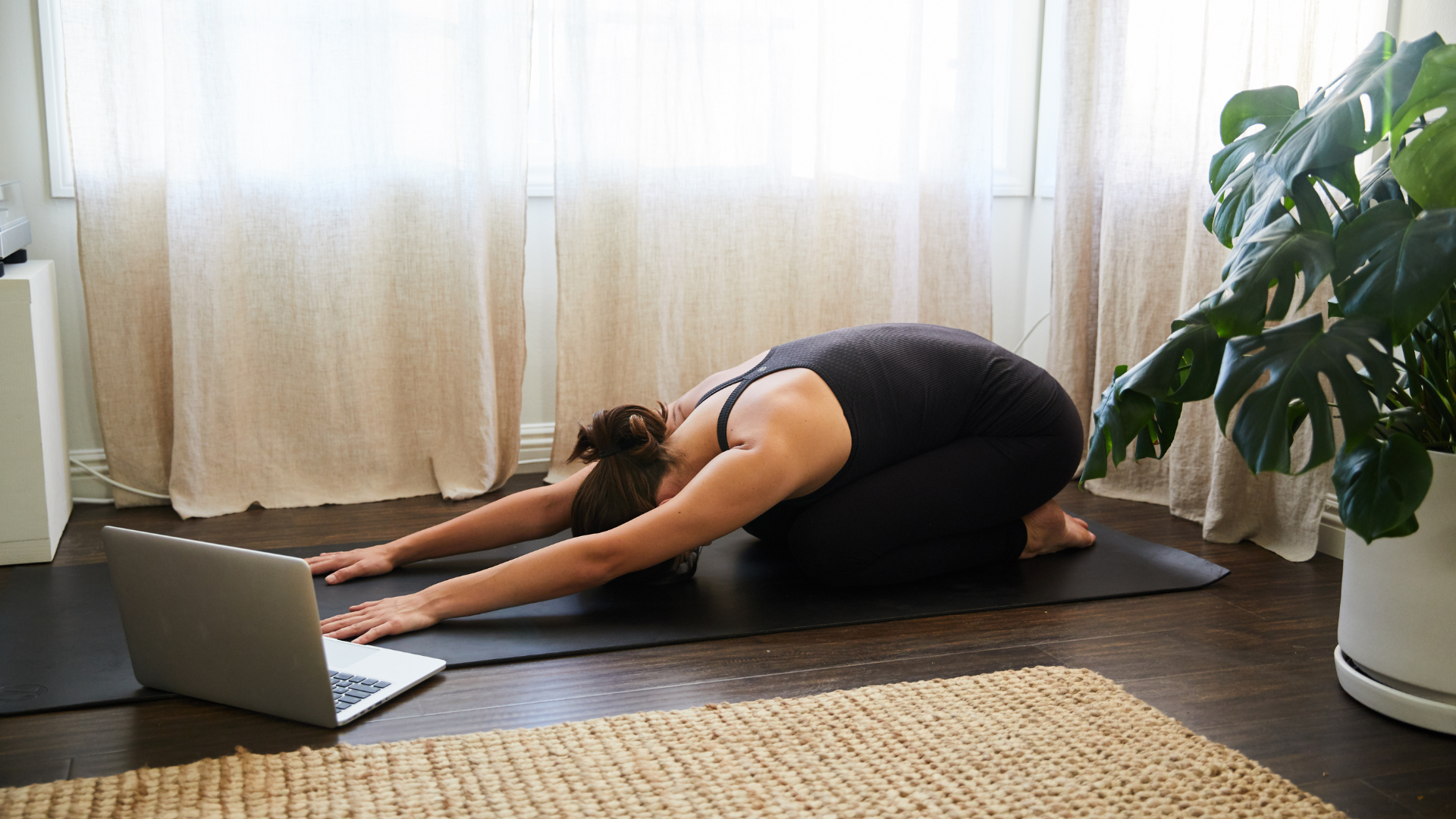
- Child’s Pose (Balasana): Relaxes the lower back, opens the hips, and offers emotional grounding.
- Pelvic Tilts: Help in releasing tension, improving pelvic mobility, and strengthening the core.
Instructors often provide modifications so that people at any level—beginner or experienced—can participate comfortably.
Meditative Visualization and Affirmations
As fertility journeys are often emotionally sensitive, most classes include a segment of guided meditation or visualization. Instructors may use soft music or a calm voice to help you imagine positive outcomes—like nurturing a new life, healing your body, or cultivating inner peace.
Some gentle affirmations used might include:
- “My body is strong, capable, and healing.”
- “I welcome harmony and balance into my life.”
- “I trust the timing of my life.”
Visualization helps lower stress hormones like cortisol, which, when elevated, can affect reproductive health. Emotional calmness is a key goal of these classes.
Also checkout, “Yoga Sequences for Different Phases of Your Fertility Treatment”

Focus on the Pelvic Floor and Hormonal Balance
A unique aspect of fertility yoga is its focus on relaxing and strengthening the pelvic floor. Instructors often guide you through mindful engagement and release of pelvic muscles, helping to support the uterus and internal organs.
Additionally, specific movements stimulate the endocrine glands—such as the thyroid, adrenal, and pituitary glands—which are essential for hormonal harmony. Gentle backbends, supported inversions, and restorative poses help achieve this balance without overexertion.
Restorative Relaxation (Savasana)
Toward the end of the session, participants are guided into Savasana or another restorative posture. This part of the class allows your body to absorb the practice fully. You may lie on your back with cushions supporting the knees, or on your side if more comfortable.
Soft instructions encourage you to relax every part of your body—from the toes to the forehead—while focusing on your breath. This deep relaxation reduces anxiety, supports mental clarity, and enhances emotional well-being.
Closing the Session
Classes usually end with a moment of gratitude—toward your body, mind, and journey. The instructor might ask participants to bring their hands to their heart center and bow gently. Some conclude with a chant of “Om” or a simple “Namaste.”
Participants are sometimes encouraged to journal their thoughts, note changes in their emotions, or stay hydrated after the session.
Supportive Community and Instructor Guidance
One of the most beautiful aspects of online fertility yoga is the sense of community. Some classes offer dedicated spaces to connect—like group chats or short post-session talks—where participants can share their feelings or progress.
Instructors often check in privately to ensure each participant is comfortable, provide personalized modifications, and share lifestyle recommendations like herbal teas, balanced nutrition, sleep hygiene, and stress management. A study noted that about 10-14% of Indian couples are affected by infertility, with rates even higher in urban areas.
What to Expect Emotionally and Physically
Emotionally, you may experience a sense of relief, calmness, and hope after each session. Physically, you might feel lightness in the hips, improved posture, and reduced tension in the lower back. Many people also notice improved sleep and better mood regulation.
It’s important to remember that fertility yoga is not a medical treatment but a complementary practice. It prepares your body and mind to receive medical support more effectively if you are undergoing fertility treatments like IUI or IVF.
How Online Sessions Are Conducted
Most platforms conduct classes through video conferencing tools. You may join live sessions or access recorded videos if you prefer flexibility. In live classes, instructors can guide and correct postures in real-time.
In the second half of the content, you might also explore the benefits of Online Yoga Classes, which offer similar convenience and accessibility, making holistic wellness practices easier to integrate into daily life.
Tips to Prepare for Your First Class
- Choose a quiet and comfortable space.
- Use props like cushions, bolsters, or blankets.
- Keep your camera at an angle where the instructor can see you clearly.
- Wear loose, breathable clothing.
- Join 5–10 minutes early to get settled.
- Inform the instructor of any medical conditions.
Final Thoughts
Joining an online fertility yoga class can be a transformative step—physically, emotionally, and spiritually. These sessions offer more than exercise; they provide emotional healing, stress relief, and inner peace. They help you reconnect with your body and cultivate hope during a challenging phase of life. Expect warmth, support, and gentle guidance every step of the way.
As you complete your journey through this peaceful practice, remember that every breath and movement is a step toward healing. Trust your body, embrace the process, and stay open to possibilities. Shyambhai yoga continues to support individuals with compassion, care, and a deep belief in the power of mindful living.
Inquiry
If you have any questions, please feel free to reach out. We’ll be glad to help!