
In today’s fast-paced world, parents are constantly searching for ways to help their children stay active, focused, and emotionally balanced. Amid this quest, Shyambhai yoga has emerged as a trusted practice that beautifully combines fun, movement, and mindfulness for children. While regular exercise focuses primarily on physical fitness, online kids yoga goes beyond this by nurturing the mind, body, and spirit. It encourages children to create harmony between their thoughts and body movements. As technology has made learning and wellness more accessible, Online Yoga Classes for kids offer an engaging combination of guided postures, breathing techniques, and mindfulness activities that traditional exercises often overlook. Understanding what sets yoga apart can help parents make informed decisions about their child’s physical and emotional well-being.
Physical Movement with Purpose and Awareness
Regular exercises like running, jumping, or aerobics focus on improving strength, stamina, and agility. These activities are great for cardiovascular health and developing muscle power. However, online kids yoga introduces physical movement with intention and awareness. Each posture in yoga is not just about stretching or balancing; it’s about understanding how the body moves, how breathing can influence energy, and how the mind contributes to physical stability.
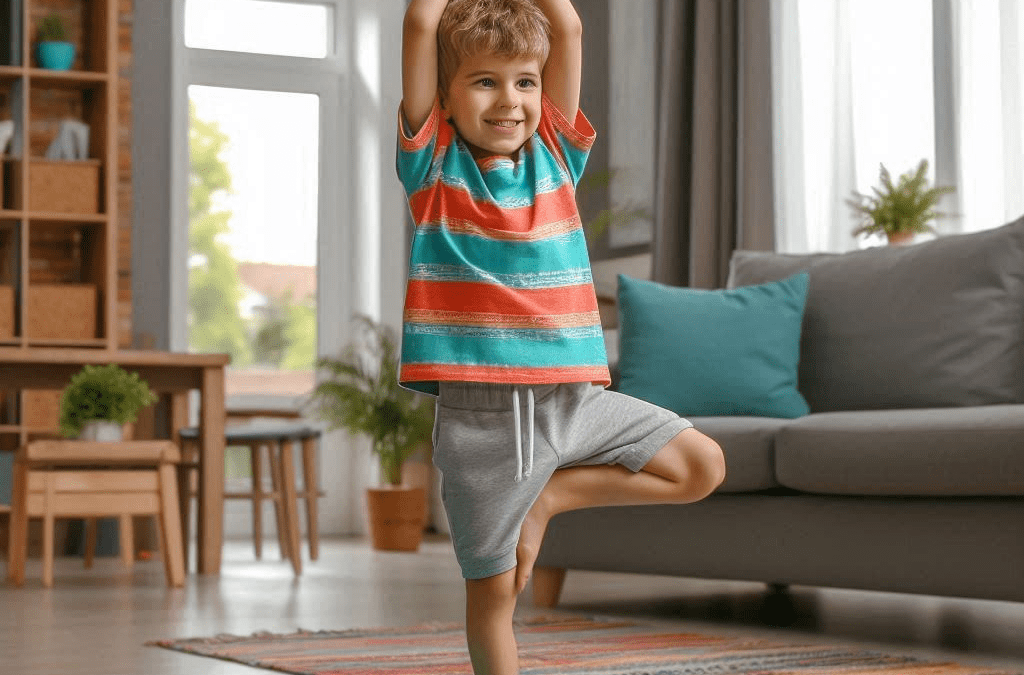
Kids learn simple postures like Tree Pose, Cat-Cow Stretch, Butterfly Pose, or Child’s Pose. These poses are not performed quickly or repetitively like traditional workouts. Instead, they are done slowly and consciously. This teaches children patience, body coordination, and self-control. They begin to recognize the importance of posture and alignment instead of just finishing a physical task. This connection between movement and awareness creates a strong foundation for lifelong health.
Breathing as the Bridge Between Body and Mind
Another key difference between online kids yoga and regular exercise is the emphasis on breathing. In most physical workouts, kids breathe fast or irregularly, and breathing is rarely discussed. In yoga, breathing is a core element of the practice. Children are taught simple breathing exercises like belly breathing, blowing feather breaths, or counting breaths.
These practices help calm their nervous system, reduce anxiety, and improve focus. Breathing exercises train children to manage their emotions and respond thoughtfully instead of reacting impulsively. Through yoga, children learn that breath is a tool they can use when they feel stressed, angry, or overwhelmed.
Mindfulness and Emotional Development
Yoga is not just about stretching—it’s about being present in the moment. Regular exercises may help children release energy, but they do not always help in mental or emotional growth. Yoga, on the other hand, develops mindfulness.
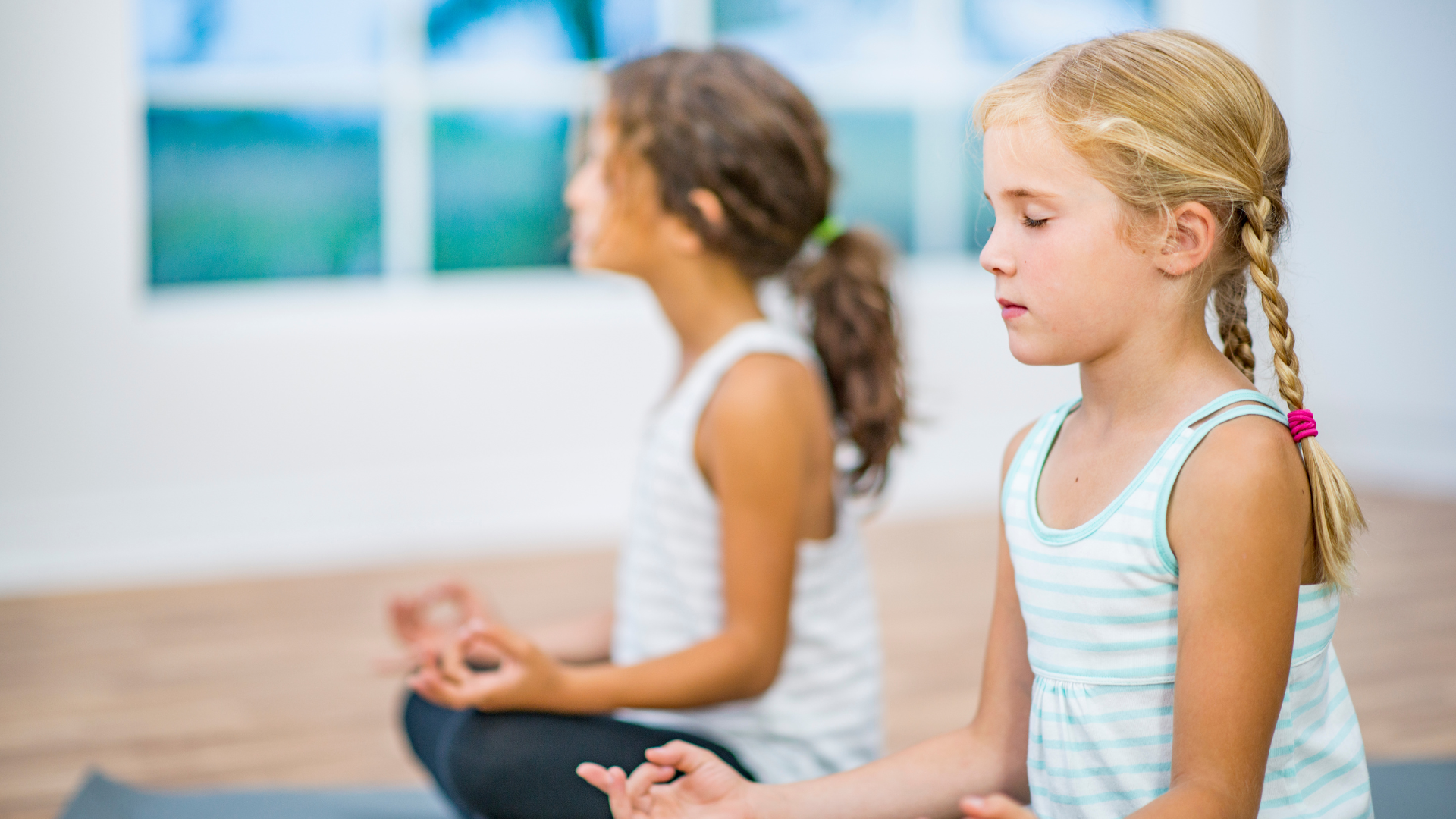
During online kids yoga sessions, children are guided to notice how they feel, observe their surroundings, and recognize their emotions without judgment. Teachers often use storytelling, nature themes, animal poses, or imagination-based relaxation techniques to help children connect with themselves.
A Calm and Supportive Environment
Unlike typical exercise sessions that might be competitive or fast-paced, online kids yoga creates a calm and supportive atmosphere. Children are not compared with one another, and there is no competition or pressure to perform perfectly. Instead, they are encouraged to follow their own pace and enjoy the process.
This relaxed environment is especially helpful for shy, anxious, or sensitive children who may not enjoy traditional sports or physical training. Through yoga, they gain confidence, learn to value their abilities, and develop a positive self-image.
Enhancing Flexibility and Balance with Gentleness
Traditional exercises focus on building stamina and muscle strength, which can sometimes lead to fatigue or injury if overdone. Yoga, however, gently enhances flexibility and balance. Postures are designed to stretch muscles slowly and safely, improving posture and body alignment without strain.
Children practicing yoga develop better body awareness and coordination. They learn to balance on one leg, stretch small muscle groups, and improve spine health. These skills support physical development and can prevent future issues like poor posture, stiffness, or back pain.
Also read, “What Makes Yoga the Ultimate After‑School Activity?”
Imaginative Learning and Fun Integration
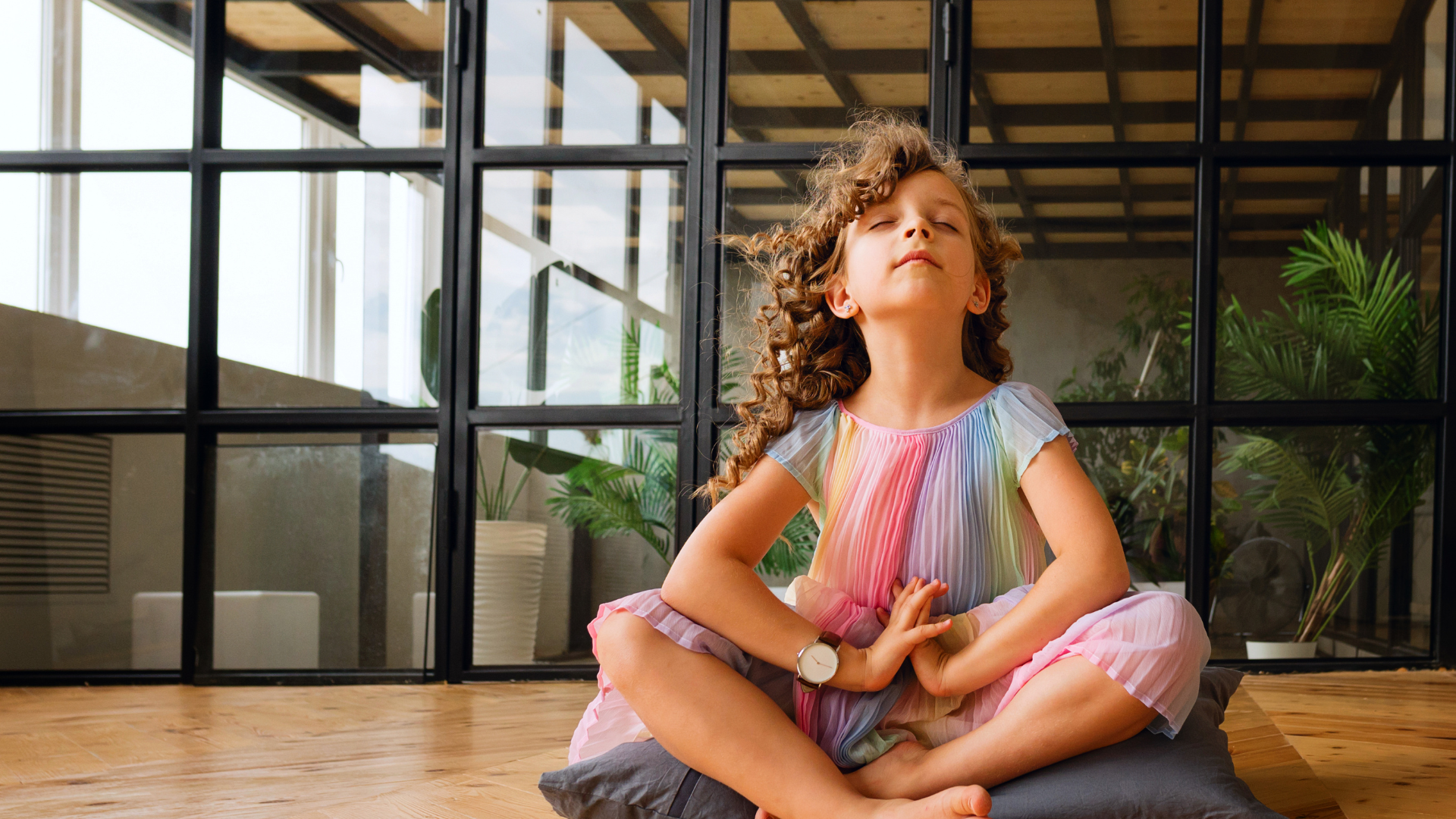
Another unique aspect of online kids yoga is the creative way it engages children. Instead of counting repetitions or running laps, yoga integrates imagination into learning. A child may pretend to be a tall mountain in Mountain Pose, a fluttering butterfly in Butterfly Pose, or a roaring lion in Lion’s Breath. This imaginative element makes yoga fun and keeps children interested and excited to participate.
Stories, songs, and visual props are also used to make yoga enjoyable. This interactive approach connects the child’s mind and body, making learning playful rather than mechanical.
Discipline Without Pressure
Regular exercise routines often focus on discipline through rules, performance, and results. Yoga teaches discipline through self-awareness, routine, and responsibility—but without pressure. Children learn to show up for their practice regularly, listen to their bodies, and follow guidance mindfully.
This gentle form of discipline strengthens self-control and encourages a positive attitude toward learning and health.
How It Affects Sleep and Relaxation
A big difference between online kids yoga and regular exercise is how it supports rest and relaxation. Vigorous exercise often leaves the body energized, making it harder to relax immediately. Yoga, however, includes calming poses and relaxation techniques like Shavasana (lying still like a sleeping body), guided meditation, or soft breathing practices.
These techniques help children release physical tension, calm their mind, and prepare for restful sleep. Kids who practice yoga regularly often experience better sleep patterns, which improves their mood, memory, and learning capacity.
Parent-Child Bonding and Home Comfort
One of the hidden advantages of online kids yoga is that it can be practiced from home. Parents can join their children during practice, creating a precious bonding experience. This shared time helps build emotional connection and trust.
Children also feel more comfortable practicing at home. They can use their favorite blanket during relaxation, keep their toys nearby, and wear comfortable clothes. This sense of safety makes it easier for them to focus and enjoy yoga.An article described how during lockdown many father-child duos in India were using yoga together as a bonding experience.
Benefits Beyond the Screen
While screens are often criticized for reducing physical activity, online yoga turns screen time into something meaningful and healthy. It transforms technology into a tool for personal growth. Children begin to see screens not just for gaming or entertainment, but for learning, movement, and relaxation.
The benefits of practicing yoga this way are long-lasting. Children become more focused at school, more patient at home, and more confident in themselves.
Digital Learning and Adaptability
In the second half of exploring these differences, it is important to note how Online Yoga Classes make learning adaptive and personalized. Digital platforms allow instructors to offer live or recorded sessions, making it easy for children to learn according to their schedules. Kids who are introverted or hesitant in group activities can comfortably follow along in their personal space.
Online yoga sessions often include child-friendly animations, soft music, and visual instructions, which make learning seamless and enjoyable. Teachers can also modify poses to suit each child’s flexibility and abilities, ensuring safety and comfort.
Conclusion: A Path to Balanced Growth
In conclusion, online kids yoga is not just another form of exercise—it is a pathway to balanced growth. While traditional workouts build the body, yoga nurtures both the body and mind. From mindful breathing to imagination-filled poses, yoga teaches children how to stay grounded, calm, and joyful.
With the supportive guidance of Shyambhai yoga, children learn lifelong habits of health, peace, and self-love. This gentle practice inspires them to move with grace, breathe with awareness, and live with kindness—making it a unique and meaningful alternative to regular exercise.
Inquiry
If you have any questions, please feel free to reach out. We’ll be glad to help!