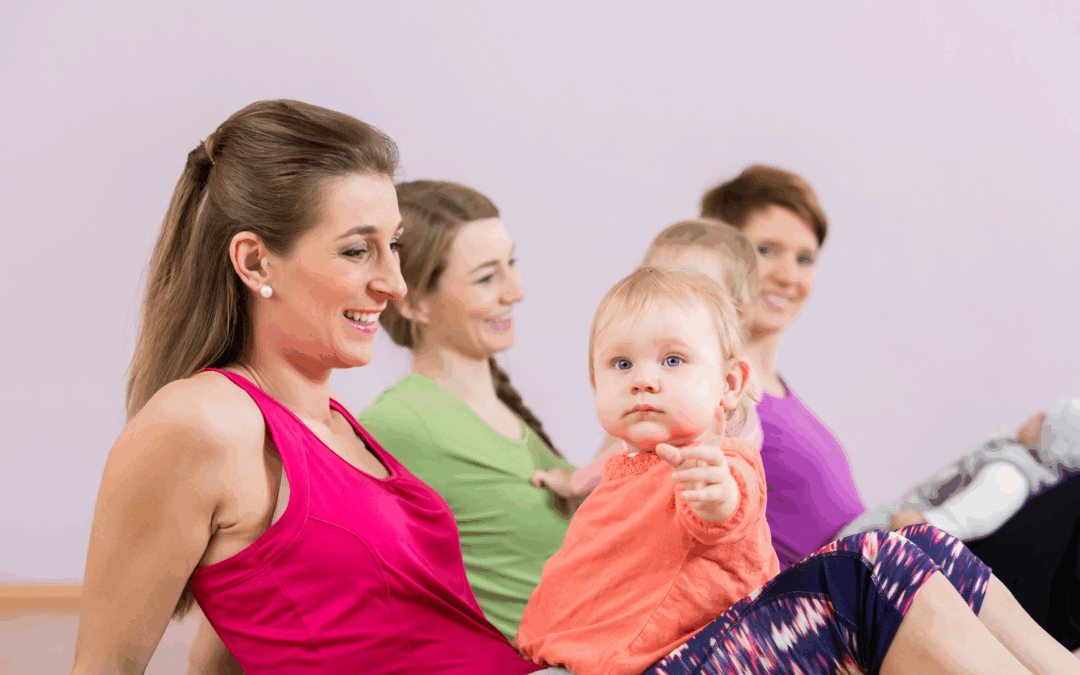
We know that the journey of motherhood is one of the most transformative experiences in a woman’s life, but it also places significant demands on the physical body. For those of us who have welcomed our little ones through a Cesarean delivery, the path to recovery requires a gentle, patient, and mindful approach. To support this transition, we offer specialized Online Post Natal Yoga Classes that focus specifically on healing the core, strengthening the pelvic floor, and restoring energy levels without putting undue stress on the surgical site.
Understanding the C-Section Recovery Phase
A C-section is a major abdominal surgery, and we must treat our bodies with the utmost respect during the healing process. In the first few weeks, our focus is entirely on rest and bonding with the baby. However, once we receive medical clearance—usually around six to eight weeks post-surgery—we can slowly begin to reintegrate movement. We believe that yoga is the perfect tool for this because it combines physical rehabilitation with mental clarity.
The primary goal during this period is not to “get back in shape” instantly but to rebuild the internal support system. The abdominal muscles have been shifted, and the pelvic floor has carried the weight of the pregnancy for nine months. We approach recovery by prioritizing stability over flexibility. By practicing specific, safe poses, we can reduce scar tissue stiffness, improve circulation to the pelvic region, and alleviate the back pain that often comes from carrying and nursing a newborn.
The Importance of Expert Guidance in India
In India, we are seeing a significant shift in how post-operative care is managed. According to recent health reports and statistical data shared in “The Mindful Journal Toward Growth, nearly 25% to 30% of births in urban Indian hospitals are now performed via C-section. This rising number highlights a growing need for structured, safe recovery protocols. The journal notes that women who engage in light, guided physical activity like yoga within three months of surgery report a 40% faster improvement in mental well-being and a significant reduction in chronic postpartum back pain.
We understand that for many Indian mothers, the traditional “Sutika” period (the first 40 days) involves a lot of rest and specific nutrition. Integrating yoga after this period aligns perfectly with our cultural heritage of holistic healing. By choosing a guided path, we ensure that we are not performing movements that could lead to complications like incisional hernias or diastasis recti (separation of the abdominal muscles).
According to National Family Health Survey (NFHS-5) data, the national average rate of C-section deliveries has risen to 21.5% — well above the World Health Organization’s recommended 10-15% range.
7 Safe Yoga Poses for Your Recovery
When we begin our practice, we must always listen to our bodies. If any movement causes sharp pain or pulling at the incision site, we stop immediately. Here are seven poses we recommend for a safe and steady recovery:
1. Tadasana (Mountain Pose)
This might look like just standing, but for a new mom, it is the foundation of everything. Pregnancy changes our center of gravity, often leading to a rounded back and tucked pelvis. In Tadasana, we focus on aligning the spine and distributing weight evenly through the feet. This helps us regain our posture and relieves the strain on the lower back.
2. Marjaryasana-Bitilasana (Cat-Cow Pose)
We perform this movement very slowly. It provides a gentle massage to the spine and helps in waking up the abdominal muscles without stretching them too deeply. By syncing the movement with our breath, we start to reconnect with our core. We make sure not to drop the belly too far down in the “Cow” position to avoid pulling on the C-section scar.
3. Viparita Karani (Legs-Up-The-Wall Pose)
This is perhaps the most restorative pose we can offer. Many of us suffer from swollen ankles and poor circulation after delivery. By resting our legs against the wall, we allow the blood to flow back toward the heart. This pose also calms the nervous system, helping us manage the sleep deprivation that comes with a newborn.
4. Modified Balasana (Child’s Pose)
Traditional Child’s Pose might feel tight on the abdomen. We suggest a wide-kneed version, using a bolster or a stack of pillows under the chest. This allows the belly to hang freely without pressure, providing a deep stretch to the hips and lower back while offering a sense of total relaxation.
5. Setu Bandhasana (Supported Bridge Pose)
We use a block or a firm pillow under the sacrum for this. This pose is vital for strengthening the pelvic floor and the glutes. By keeping it supported, we ensure that we aren’t overworking the abdominal wall. It also opens the chest, which is often tight from the “nursing slouch.”
6. Sukhasana with Pranayama
Yoga is not just about the poses; it is about the breath. Sitting in a comfortable cross-legged position (using a cushion for height), we practice Anulom Vilom (Alternate Nostril Breathing). This helps balance our hormones and reduces the stress that often accompanies the early months of motherhood.
7. Trikonasana (Triangle Pose – Supported)
Once we feel a bit stronger, we use a chair or a wall for balance in Triangle Pose. This helps in stretching the sides of the body and the hips. It creates space in the torso, which can feel very “compressed” after surgery.
Creating a Sustainable Home Practice
We believe that consistency is more important than intensity. As new mothers, our schedules are unpredictable. We don’t need to spend an hour on the mat; even fifteen minutes of mindful movement can change our entire day. To help you stay on track, we recommend the following points for your home practice:
- Always clear your practice area of baby toys to avoid tripping.
- Keep a bottle of water nearby to stay hydrated, especially if you are breastfeeding.
- Practice when the baby is napping or have a partner watch them so you can focus entirely on yourself.
- Use props like cushions, chairs, and belts to make every pose accessible and safe.
- Wear loose, breathable clothing that does not rub against your incision.
Also Read : Are Online Pregnancy Yoga Classes Doctor Recommended?
Reconnecting with Your Core Strength
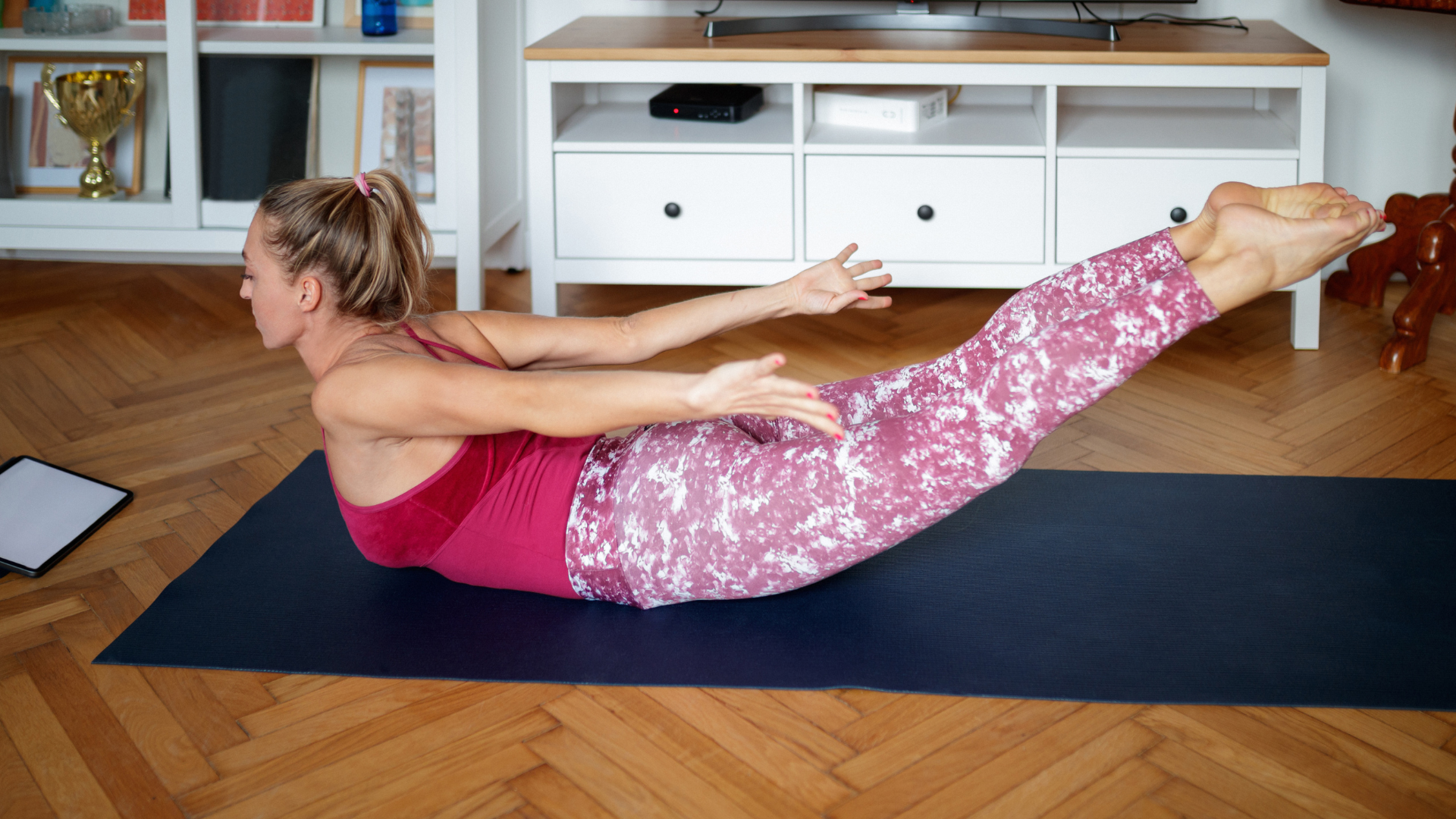
Recovery from a C-section is as much mental as it is physical. We often feel a “disconnection” from our midsection after surgery. Yoga helps us bridge that gap. We use visualization techniques, imagining the breath moving into the pelvic bowl, to help knit the tissues back together. We focus on Mula Bandha (pelvic floor lift) gently to regain control over our internal muscles. This gradual rebuilding is essential for our long-term health, preventing issues like urinary incontinence or chronic pelvic pain later in life.
We are here to walk this path with you, providing the modifications and support you need. Our goal is to empower you to feel strong and capable in your new role as a mother. If you are looking for a community of experts who understand the nuances of the postpartum body, we encourage you to join our Online Yoga Classes where we provide a safe space for healing and growth.
We must remember that every woman’s body heals at a different pace. We should never compare our recovery to anyone else’s. By choosing the right poses and practicing with mindfulness, we are not just recovering from a surgery; we are building a stronger, more resilient foundation for the years of motherhood ahead. Let us take this time to nurture ourselves, just as we nurture our children. Through breath, movement, and patience, we can find our way back to our strongest selves, one pose at a time.
Inquiry
If you have any questions, please feel free to reach out. We’ll be glad to help!