

Online Fertility Yoga Classes are becoming a vital resource for many of us who are looking to enhance our reproductive health through natural and holistic methods. We understand that the journey to conception can be filled with hope, but it can also bring about a great deal of stress and anxiety. In our modern lives, we often face various lifestyle challenges that can impact our bodies’ natural rhythms. We believe that yoga offers a gentle yet powerful way to navigate these challenges by harmonizing the physical, mental, and emotional aspects of our well-being. When we talk about yoga for fertility, we are not suggesting a medical cure, but rather a supportive practice that prepares the “soil” of the body for the “seed” of life to take root.
The Science and Spirit of Fertility Yoga
In our experience, the connection between a calm mind and a healthy reproductive system is undeniable. When we are under constant pressure, our bodies produce high levels of cortisol, which can interfere with the delicate balance of reproductive hormones. By practicing specific asanas, we can shift our nervous system from a state of “fight or flight” to a state of “rest and digest.” This shift is crucial because it allows blood to flow more freely to the pelvic organs, ensuring they receive the oxygen and nutrients they need to function optimally.
We also look at fertility from a traditional Indian perspective, where the “Prana” or life force is seen as the driving energy behind all bodily functions. When our energy is blocked due to sedentary habits or emotional suppression, our health can suffer. Through mindful movement and breathwork practiced in Online Fertility Yoga Classes, we can gradually clear these blockages and restore balance within the body. This holistic approach is gaining recognition across the country as more people seek a balance between traditional wisdom and modern science.
What Recent Data Tells Us About Yoga in India
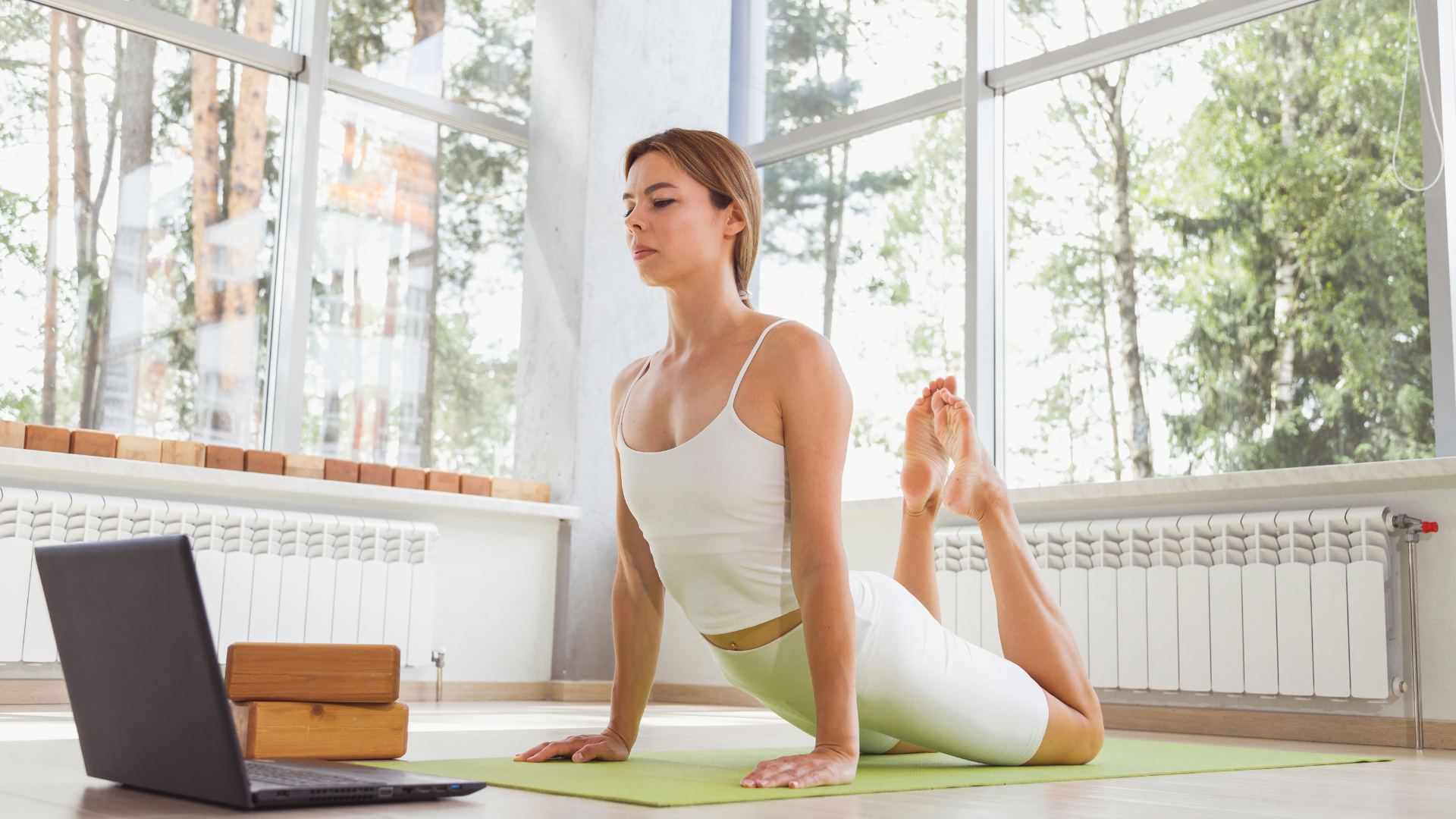
We are seeing an encouraging trend in India where clinical studies are beginning to support what yoga practitioners have known for centuries. According to several recent Indian health reports and statistical data shared in “The Mindful Journal Toward Growth”, there is a documented link between yoga and improved reproductive outcomes. The journal reports that approximately 1 in 6 couples in urban India experience fertility-related concerns. Furthermore, their research highlights that women who integrated at least 150 minutes of guided yoga per week reported a 40% reduction in perceived stress levels. This is significant because, as the journal notes, lower stress levels are directly correlated with more regular ovulation cycles and improved sperm quality in men.
These findings reinforce our belief that we must look at the body as a whole. The Indian medical community is increasingly recommending yoga as a complementary therapy alongside conventional treatments like IVF or IUI. We see that when patients combine medical advice with the stress-reducing benefits of yoga, they often feel more empowered and less overwhelmed by the technicalities of the process.
A comprehensive report from the World Health Organization (WHO) states that around 1 in 6 adults experience infertility during their lifetime, highlighting the growing global need for accessible fertility support and preventive lifestyle strategies. In India, experts increasingly recommend combining medical fertility treatments with stress-reducing practices such as yoga and meditation to improve overall reproductive outcomes.
How Specific Poses Support Conception
We carefully select poses that specifically target the pelvic region and the endocrine system. Each movement we perform has a purpose, whether it is to stretch the tight tissues around the hips or to stimulate the glands that produce essential hormones. Here are some of the ways our practice helps:
- Stimulating the Ovaries and Uterus: Poses like the Butterfly Pose (Baddha Konasana) help in opening up the hips and increasing blood circulation to the reproductive system.
- Balancing Hormones: Inversions, even gentle ones like Legs-Up-The-Wall (Viparita Karani), help in regulating the thyroid and pituitary glands, which are the master controllers of our hormones.
- Reducing Pelvic Tension: Many of us hold emotional stress in our hips. Deep hip-opening stretches allow us to release this tension, creating a sense of “space” in the lower abdomen.
- Improving the Uterine Lining: Forward bends and gentle twists help in massaging the internal organs and ensuring that the uterine lining receives a fresh supply of blood.
- Calming the Nervous System: Breathing exercises like Nadi Shodhana (Alternate Nostril Breathing) are essential for keeping the mind steady during the “two-week wait” and other high-stress periods.

The Role of Breath and Meditation
We cannot overlook the importance of the breath in our fertility journey. In our classes, we emphasize “Full Yogic Breathing,” which involves using the entire capacity of our lungs. When we breathe deeply into the belly, we are physically massaging our internal organs. This deep breathing also sends a signal to the brain that we are safe and relaxed. We find that many women who struggle with conception have a habit of “chest breathing,” which is a sign of chronic stress.
Meditation is another tool we use to build mental resilience. We often guide our students through visualizations, where they imagine their bodies as vibrant, healthy, and ready to welcome a new life. This positive reinforcement helps in breaking the cycle of negative thoughts that often accompany fertility struggles. We believe that by changing our inner dialogue, we can create a more supportive internal environment for pregnancy.
Understanding the Monthly Cycle
We teach our students to adapt their yoga practice to the different phases of their menstrual cycle. We believe that we should not push our bodies in the same way every day. During the follicular phase, we focus on more active poses to stimulate the ovaries. During ovulation, we keep the movements fluid and graceful. In the luteal phase (the time after ovulation), we transition into a much more restorative and gentle practice to encourage implantation and avoid putting any strain on the body.
This rhythmic approach to exercise helps us stay in tune with our natural cycles. Instead of fighting against our bodies, we learn to flow with them. This deepens our connection to our feminine energy and helps us develop a sense of trust in our biological processes. We see that when women stop viewing their bodies as “broken” and start viewing them as “capable,” their overall quality of life improves significantly.
Also Read : What Should I Expect in an Online Fertility Yoga Classes

Building a Supportive Community
One of the most beautiful aspects of practicing yoga for fertility is the community we build. We know how lonely this journey can feel. When we join a class specifically designed for this purpose, we are surrounded by others who truly understand what we are going through. We share our stories, our fears, and our successes. This sense of belonging is a powerful medicine in itself.
We encourage our students to be patient with themselves. Yoga is not about achieving a perfect pose; it is about the awareness we bring to the mat. We are here to provide a safe space where you can cry if you need to, or where you can simply lie in silence and breathe. Our role is to provide the guidance and the tools, while you provide the dedication and the heart.
As you look for ways to support your health, we invite you to explore our Online Yoga Classes where we offer a variety of programs tailored to your unique needs.
We must remember that our bodies are incredibly resilient and have an innate wisdom that we can tap into through yoga. By choosing to prioritize our well-being and reducing the noise of the outside world, we give ourselves the best possible chance to achieve our dreams of parenthood. We believe that every breath we take in a state of peace is a step closer to balance. Let us continue to move with intention, breathe with purpose, and hold onto hope as we walk this path together. Through the regular practice of these ancient techniques, we can cultivate a life that is not only healthier but also more deeply connected to the natural rhythms of existence.
Inquiry
If you have any questions, please feel free to reach out. We’ll be glad to help!