
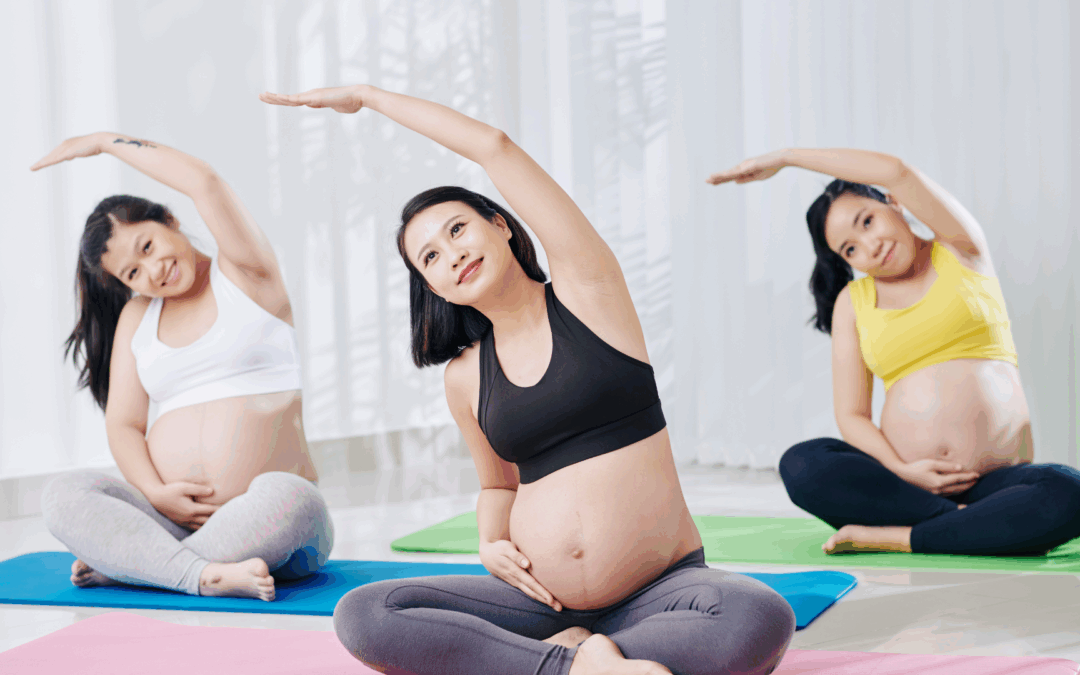
Pregnancy is a time of profound transformation, filled with excitement, anticipation, and a host of new questions. As your body changes, you naturally seek out safe and effective ways to support your well-being and prepare for the journey ahead. Prenatal yoga has long been celebrated as a gold standard for expectant mothers, offering a gentle way to stay active, manage stress, and connect with your baby.
With the rise of virtual wellness, however, a new question has emerged: is it safe to roll out your mat at home? Are Online Pregnancy Yoga Classes doctor-recommended, or do the risks of a remote setting outweigh the benefits? The medical community’s answer is overwhelmingly positive, but it comes with a few crucial and non-negotiable conditions.
The Medical Consensus on Prenatal Yoga
First, it’s important to establish the baseline: doctors and health organizations worldwide endorse prenatal yoga. The American College of Obstetricians and Gynecologists (ACOG) recommends regular physical activity during pregnancy and highlights yoga as an excellent choice. This is because a properly modified practice offers a wealth of evidence-based benefits.
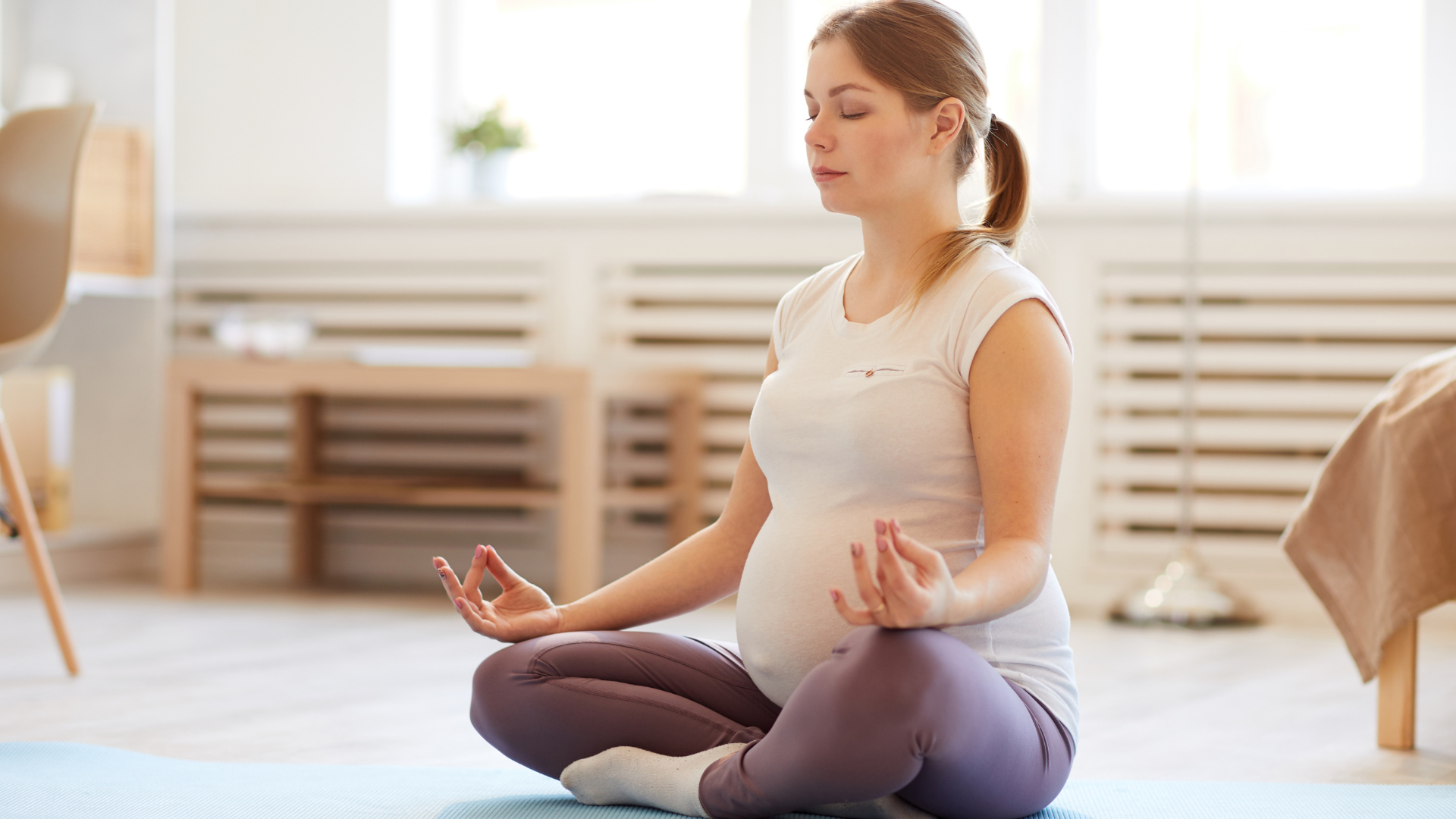
Physical and Mental Benefits Endorsed by Health Professionals
Doctors recommend prenatal yoga because it is proven to:
- Reduce Stress and Anxiety: The focus on breathwork and mindfulness can lower cortisol levels, promoting a sense of calm.
- Improve Sleep: Many expectant mothers struggle with sleep; yoga can help ease the restlessness.
- Increase Strength and Flexibility: A targeted practice builds stamina and strengthens key muscle groups like the pelvic floor, back, and abdomen, which are essential for supporting a healthy pregnancy and preparing for labor.
- Alleviate Common Discomforts: Yoga can effectively relieve common pregnancy ailments such as lower back pain, nausea, and headaches.
These benefits are universally acknowledged. The main concern for any doctor is not if you should do prenatal yoga, but how you do it safely.
Also visit: How Can Pregnancy Yoga Classes Build Strength and Mindfulness?
Translating the Practice to a Virtual Setting
The key question is whether these benefits and the necessary safety protocols can be effectively translated to an online environment. For millions of women, the answer is a resounding yes. Online classes remove significant barriers like travel time, scheduling conflicts, and the potential discomfort of a crowded studio, making the practice more accessible than ever.
The Crucial Conditions for a Doctor’s Approval
While doctors appreciate this accessibility, their recommendation for online yoga hinges on a few critical factors. An online class is not just a generic workout video; for it to be safe and effective, it must meet specific criteria.
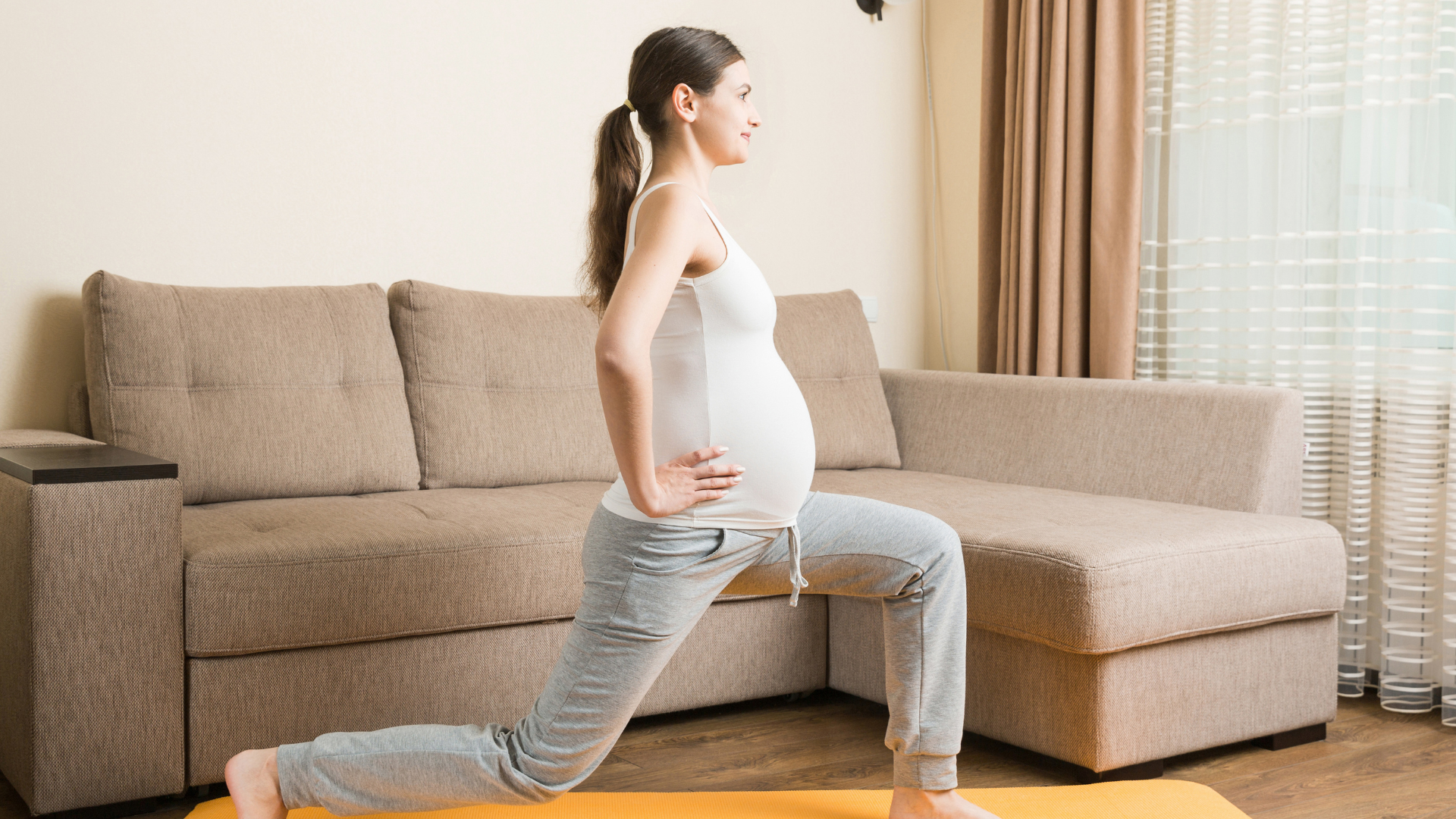
You Must Get Medical Clearance First: This is the most important rule and the first thing any doctor will tell you. Before you begin any exercise program during pregnancy, you must have a conversation with your obstetrician, GP, or midwife. They will assess your personal health situation, ensuring there are no contraindications that would make exercise unsafe for you or your baby. This step is non-negotiable.
The Instructor MUST Be Qualified: A doctor’s recommendation is not for just any yoga class. It is for classes led by a certified prenatal yoga instructor (often designated as RPYT – Registered Prenatal Yoga Teacher). These instructors have specialized training in the anatomy and physiology of pregnancy. They know which poses to avoid (like deep twists or lying flat on your back late in pregnancy), how to offer safe modifications, and what warning signs to look out for. A qualified teacher will prioritize your safety above all else, a crucial factor in a virtual setting.
The Class Must Emphasize Self-Awareness: In a studio, a teacher can offer hands-on adjustments. Online, the responsibility shifts more to you. A good online prenatal class—and one a doctor would approve of—will constantly remind you to listen to your body. It will teach you to recognize the difference between gentle stretching and pain, and to never push yourself too far. The mantra “if it doesn’t feel right, don’t do it” is paramount.
A survey of 2,839 expecting mothers across India found that 73.1% rely on yoga and walking as part of their pregnancy wellness strategy.
A Conditional “Yes” from the Medical Community
So, are online pregnancy yoga classes doctor-recommended? Yes, provided you follow the essential safety protocol:
- Get clearance from your doctor.
- Choose a class taught by a certified prenatal yoga instructor.
- Listen to your body and prioritize safety over ambition.
When these conditions are met, online classes offer a fantastic way to reap the benefits of prenatal yoga from the comfort and convenience of your home. They provide a supportive space to connect with your changing body and prepare for childbirth. Many reputable platforms offering Online Yoga Classes have dedicated sections with highly qualified instructors, making it easier than ever to find a program that meets these medical standards
Inquiry
If you have any questions, please feel free to reach out. We’ll be glad to help!