In the modern quest for wellness and inner peace, many are turning to ancient traditions that have stood the test of time. Among these, the practice of yoga shines as a profound and comprehensive system for harmonizing the mind, body, and spirit. Originating in India thousands of years ago, yoga is far more than a sequence of physical postures; it is a holistic science designed to cultivate deep awareness, foster balance, and unlock a state of tranquil vitality. For anyone looking to embark on this journey, the accessibility of Online Yoga Classes has made it easier than ever to explore its depths from the comfort of home.
At the heart of this transformative practice lie two integral pillars: Pranayama, the art and science of breath control, and Mudras, the subtle yet powerful hand gestures that direct the body’s vital energy. By delving into these practices, we can move beyond the physical and tap into the subtle energetic layers of our being, unlocking a new dimension of health and consciousness.
The Essence of Pranayama: Breathing with Intention
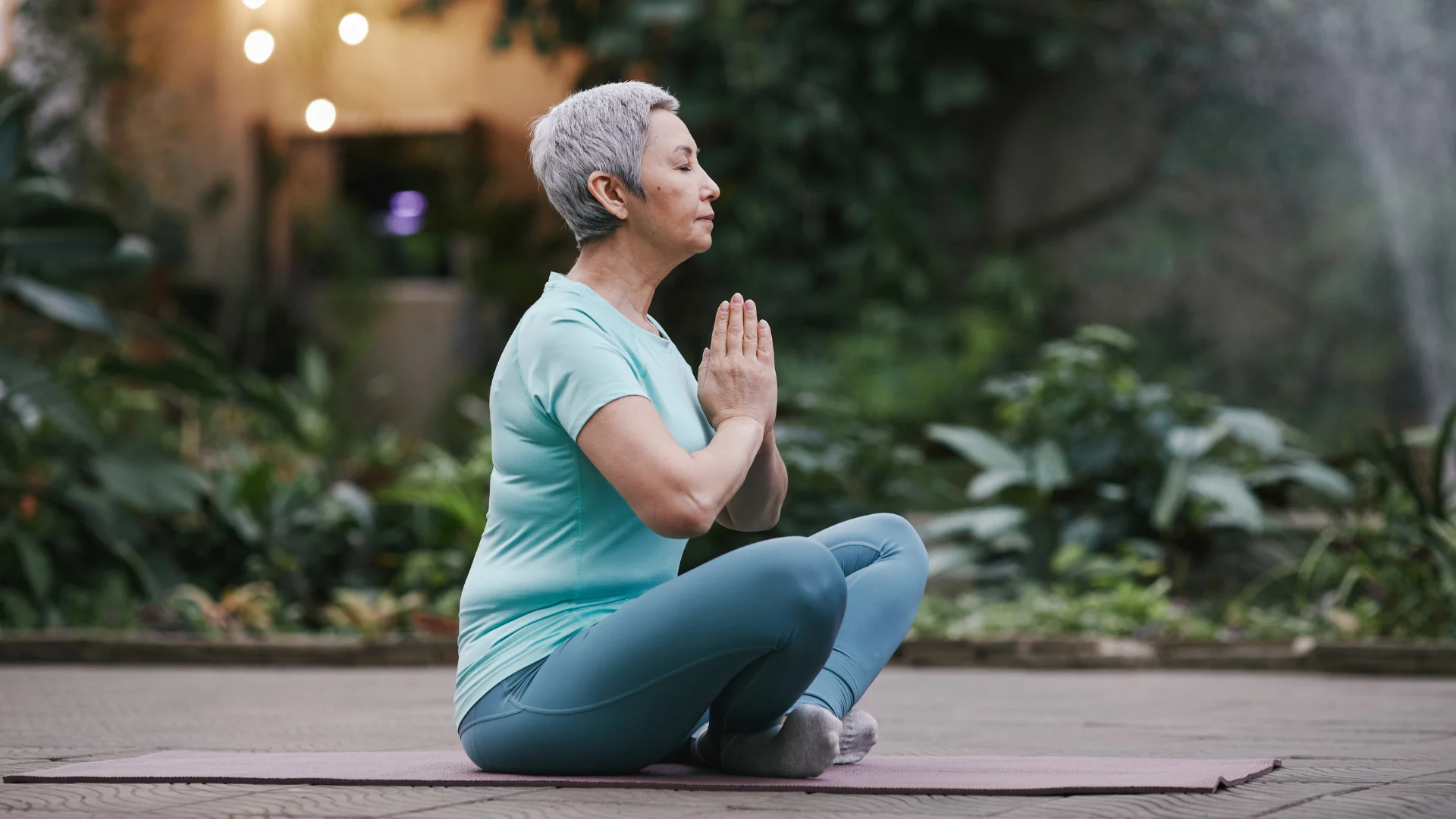
The term “Pranayama” is derived from two Sanskrit words: “prana,” which means life force or vital energy, and “ayama,” which translates to extension or regulation. Therefore, Pranayama is the conscious and deliberate control of breath to expand and guide the flow of life force energy throughout the body. This practice elevates breathing from an unconscious, automatic function to a powerful tool for influencing our physiological and psychological states. It involves specific, structured techniques to manage inhalation (puraka), exhalation (rechaka), and the retention of breath (kumbhaka).
The benefits of a consistent Pranayama practice are vast and deeply impactful. On a physiological level, it enhances lung capacity, improves the efficiency of gas exchange, and purifies the blood by increasing oxygenation and eliminating toxins. This leads to better circulation, regulated blood pressure, and improved cardiovascular health. Psychologically, Pranayama is a potent antidote to the stresses of modern life. By consciously slowing and deepening the breath, we activate the parasympathetic nervous system—our body’s “rest and digest” mode. This shift calms the relentless chatter of the mind, alleviates anxiety, reduces stress hormones, and cultivates a profound state of inner stillness and relaxation.
Clinical research shows that just 4 weeks of structured pranayama increased lung function and oxygen saturation while lowering blood pressure in healthy adults
Unveiling the Power of Kapalbhati
Among the many Pranayama techniques, Kapalbhati stands out as a particularly dynamic and purifying practice. Translating to “skull shining breath,” its name alludes to the clarity and radiance it brings to the mind and face. The technique involves short, powerful, and active exhalations driven by sharp contractions of the abdominal muscles, followed by passive, automatic inhalations.
The rhythmic, forceful nature of Kapalbhati acts as a cleansing fire for the respiratory system, expelling stale air and mucus from the lungs and nasal passages. This practice invigorates the entire body, stimulates the abdominal organs, and improves digestive function. It is known to increase the metabolic rate, which can assist in weight management, and is considered beneficial for balancing blood sugar levels. On an energetic level, Kapalbhai vigorously clears the nadis (energy channels), revitalizing the nervous system and leaving the practitioner feeling energized, alert, and mentally sharp.
Mudras: The Subtle Art of Sealing and Directing Energy
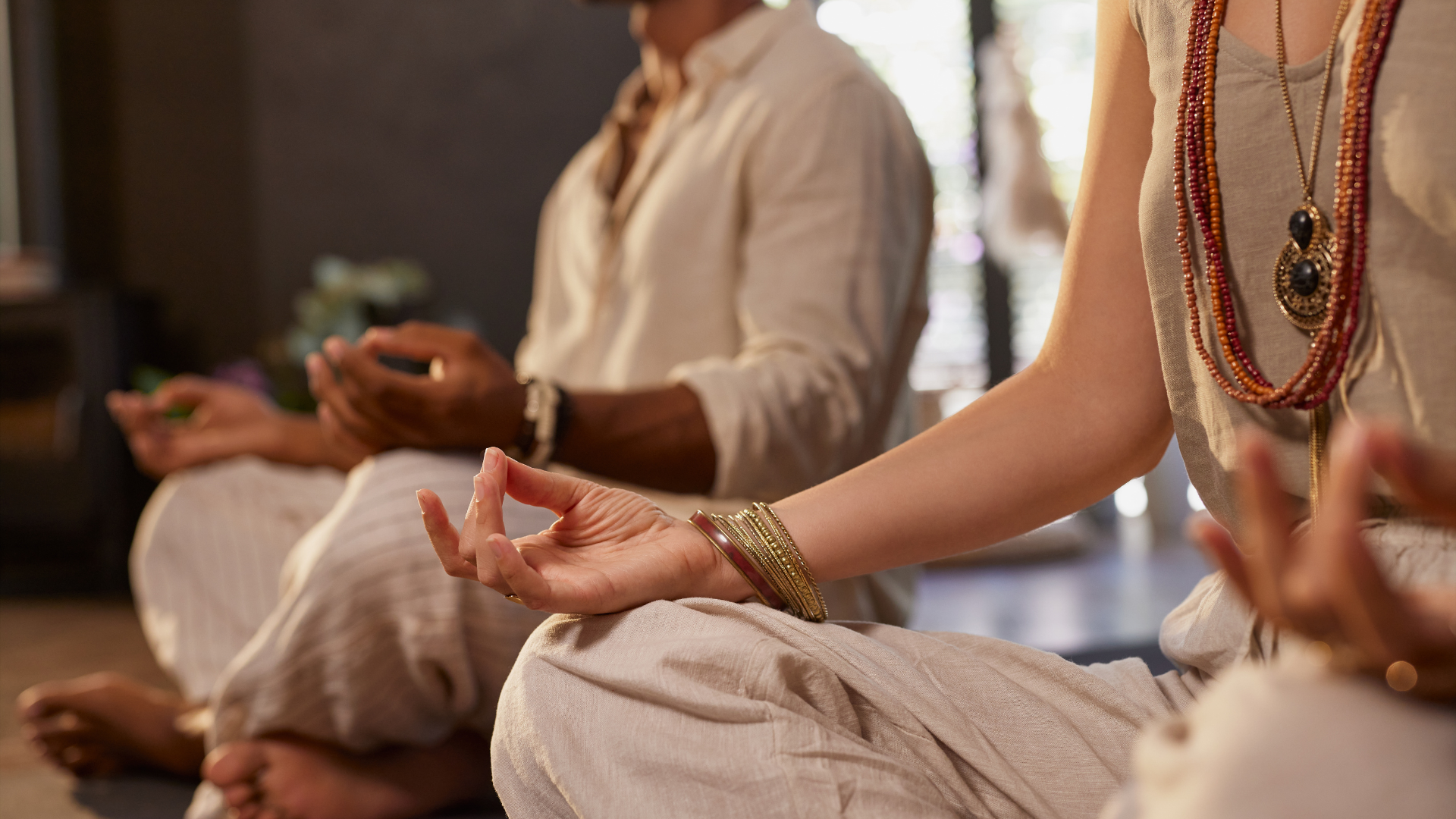
In the yogic tradition, our hands are seen as a map of our consciousness and a control panel for our body’s energy. Mudras, a Sanskrit word meaning “seal” or “gesture,” are symbolic positions of the hands and fingers that guide and seal the flow of prana within the body. Each finger is believed to represent one of the five elements: the thumb (fire), the index finger (air), the middle finger (space/ether), the ring finger (earth), and the little finger (water). By creating specific shapes and connections with our fingers, we can form energetic circuits that influence our physical, mental, and emotional well-being.
Mudras are often practiced during Pranayama and meditation to deepen the experience and amplify the intended effects. They are a subtle yet profound tool for bringing the elements within us into balance, helping to harmonize our inner world and connect us to a deeper state of awareness.
Also read: How Does Yoga Help You Break the Cycle of Overthinking?
Exploring Key Mudras for Holistic Well-being
While there are hundreds of Mudras, a few are particularly accessible and beneficial for daily practice:
- Prithvi Mudra (Gesture of the Earth): Performed by touching the tip of the ring finger to the tip of the thumb, this mudra enhances the earth element in the body. It fosters a sense of grounding, stability, and inner strength. Practicing Prithvi Mudra can help alleviate physical weakness, improve stamina, and strengthen the body’s tissues. Emotionally, it provides a sense of security and rootedness, connecting us to the stable, nurturing energy of the earth.
- Varun Mudra (Gesture of Water): This mudra is formed by joining the tip of the little finger with the tip of the thumb. It is designed to balance the water element, which is essential for maintaining hydration, circulation, and overall fluidity in the body. Regular practice of Varun Mudra is believed to moisturize the skin, purify the blood, and prevent diseases related to dehydration. It helps restore balance to the body’s fluids and promotes clear communication and emotional flow.
- Shakti Mudra (Gesture of Power): Representing the divine feminine or creative power, this mudra has a deeply calming and restorative effect on the nervous system. To perform it, place the thumb inside the palm and enclose it with the index and middle fingers, while keeping the ring and little fingers extended and touching. Shakti Mudra is exceptionally beneficial for soothing the mind, reducing stress, and promoting restful sleep. It directs prana towards the pelvic region, offering support for the reproductive and urinary systems.
Bandhas and Savasana: Locking Energy and Integrating the Practice
To further refine the control of prana, yoga utilizes Bandhas, or “energy locks.” Practices like Mula Bandha (the root lock) and Uddiyana Bandha (the abdominal lock) involve the subtle contraction of specific muscle groups to prevent the dissipation of vital energy and redirect it upward through the central energy channel, amplifying the effects of the practice.
The session often concludes with a brief period of meditation, which can be deepened through sound. Chanting “Om” helps to align our individual vibration with the universal resonance, while Bhramari (humming bee breath) uses a gentle humming sound to instantly calm the mind and soothe the nervous system. These final moments of stillness are where the true essence of yoga is felt, and those wishing to explore this further can find guided sessions in Online Meditation Classes.
Practicing with Awareness
It is crucial to approach your yoga practice with mindfulness, especially when navigating minor health concerns like a cold or sinus issues. While it might seem counterintuitive, gentle practice can be beneficial. Listen to your body and focus on what feels supportive. Breathing exercises like Bhramari can create vibrations that help clear congestion, while gentle poses can encourage drainage. However, it’s always wise to avoid strenuous sequences and consult with an experienced instructor to modify the practice safely.
By weaving the intricate threads of Pranayama and Mudras into the fabric of your yoga practice, you unlock a path that travels far beyond physical fitness. You engage in a conversation with your own life force, learning to guide it, balance it, and ultimately, merge with its vibrant, peaceful flow. It is a journey toward not just a healthier body, but a more integrated, harmonious, and radiant self.
Inquiry
If you have any questions, please feel free to reach out. We’ll be glad to help!