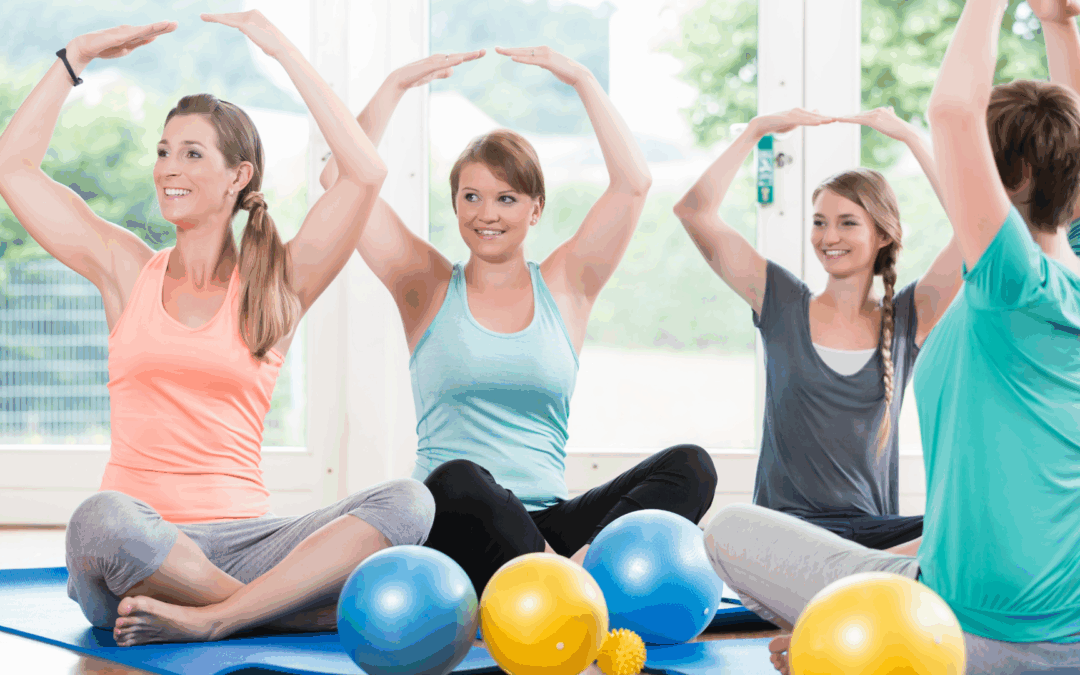
As we navigate the beautiful yet challenging transition into motherhood, we understand that your body has undergone a monumental transformation, and that is why we provide the Best Online Yoga Classes India to help you heal safely. The postpartum period, often referred to as the “fourth trimester,” is a time for deep rest, recovery, and reconnection with your physical self. We believe that rushing back into a high-intensity fitness routine can do more harm than good. Instead, we advocate for a gentle, phased approach that respects the healing process of the uterus, the pelvic floor, and the abdominal wall. Our focus is on helping you regain your strength without compromising your long-term health, ensuring that every movement you make is a step toward a more resilient and energized version of yourself.
The Right Time to Begin Your Postpartum Journey
We often get asked by new mothers when it is truly safe to step back onto the mat. While every birth story is unique, we generally recommend waiting at least six weeks after a vaginal delivery and at least eight to ten weeks after a C-section, provided you have received a clear “all-clear” from your healthcare provider. During these initial weeks, our internal organs are slowly returning to their pre-pregnancy positions, and our hormones are still fluctuating significantly. We believe that this waiting period is not “lost time” but rather a crucial investment in your body’s foundation. Starting too early can lead to complications like increased bleeding or uterine prolapse. We encourage you to use this time for gentle walking and deep diaphragmatic breathing, which prepares the internal systems for more structured movement later on.
Recent Insights into Postpartum Recovery in India
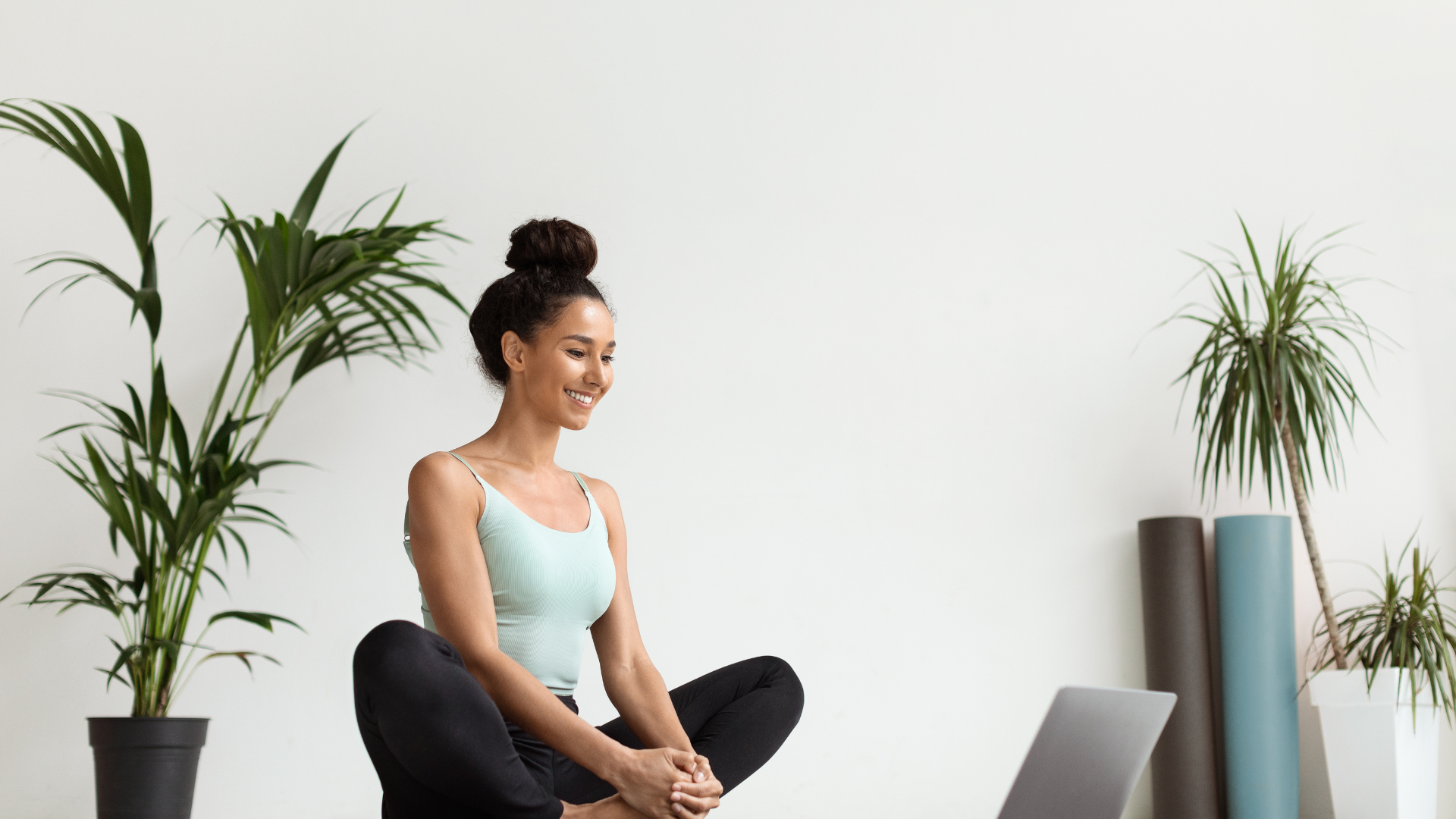
We are seeing a growing awareness in India regarding the importance of structured post-natal care. According to recent statistical reports shared in “The Mindful Journal Toward Growth”, nearly 60% of urban Indian mothers experience some form of pelvic floor dysfunction or lower back pain within the first year of delivery. The journal highlights that women who follow a guided, low-impact recovery program like yoga report a 35% faster reduction in “diastasis recti” (abdominal separation) compared to those who remain sedentary or attempt high-impact exercises too soon. Furthermore, their data suggests that mindful movement significantly lowers the risk of postpartum anxiety by helping mothers regulate their nervous systems. This research confirms our belief that a professional, guided approach is essential for a safe and effective recovery in our modern, fast-paced society.
Poses and Movements We Must Avoid Initially
In our classes, we place a heavy emphasis on what not to do during the early months of recovery. We must be extremely cautious because the hormone “relaxin” stays in our system for several months after birth, making our joints and ligaments much more prone to injury. We avoid deep twists that can strain the abdominal wall, and we steer clear of intense backboards that might pull on a C-section scar or worsen abdominal separation. Inversions, such as headstands or shoulder stands, are also restricted because they can interfere with the natural downward flow of postpartum healing. We believe that by removing these high-risk movements from our routine, we create a safer environment where the body can focus its energy on repairing the tissues that were stretched and shifted during pregnancy and birth.
Why We Focus on Gradual Rehabilitation
We have designed our post-natal approach to be a ladder of progression, where each stage builds upon the last. We start with the smallest internal movements before moving to larger external poses. This method ensures that we are not putting a “roof” on a house that has a shaky foundation. In our sessions, we follow these core principles to ensure your safety:
- We prioritize “pelvic tilts” and “kegels” to rebuild the strength of the pelvic bowl.
- We focus on lateral breathing to help the ribcage settle back into its natural alignment.
- We use “cat-cow” stretches without deep belly dropping to gently mobilize the spine.
- We incorporate “bridge pose” with a block to stabilize the hips and strengthen the glutes.
- We use “modified plank” against a wall to test and slowly rebuild abdominal integrity.
By following these points, we ensure that we are working with the body’s natural healing timeline rather than against it.
According to recent research, nearly 31.9% of women experience postnatal depressive symptoms, highlighting the importance of incorporating safe practices like yoga after delivery to support both physical and mental recovery.
Addressing the Challenge of Diastasis Recti
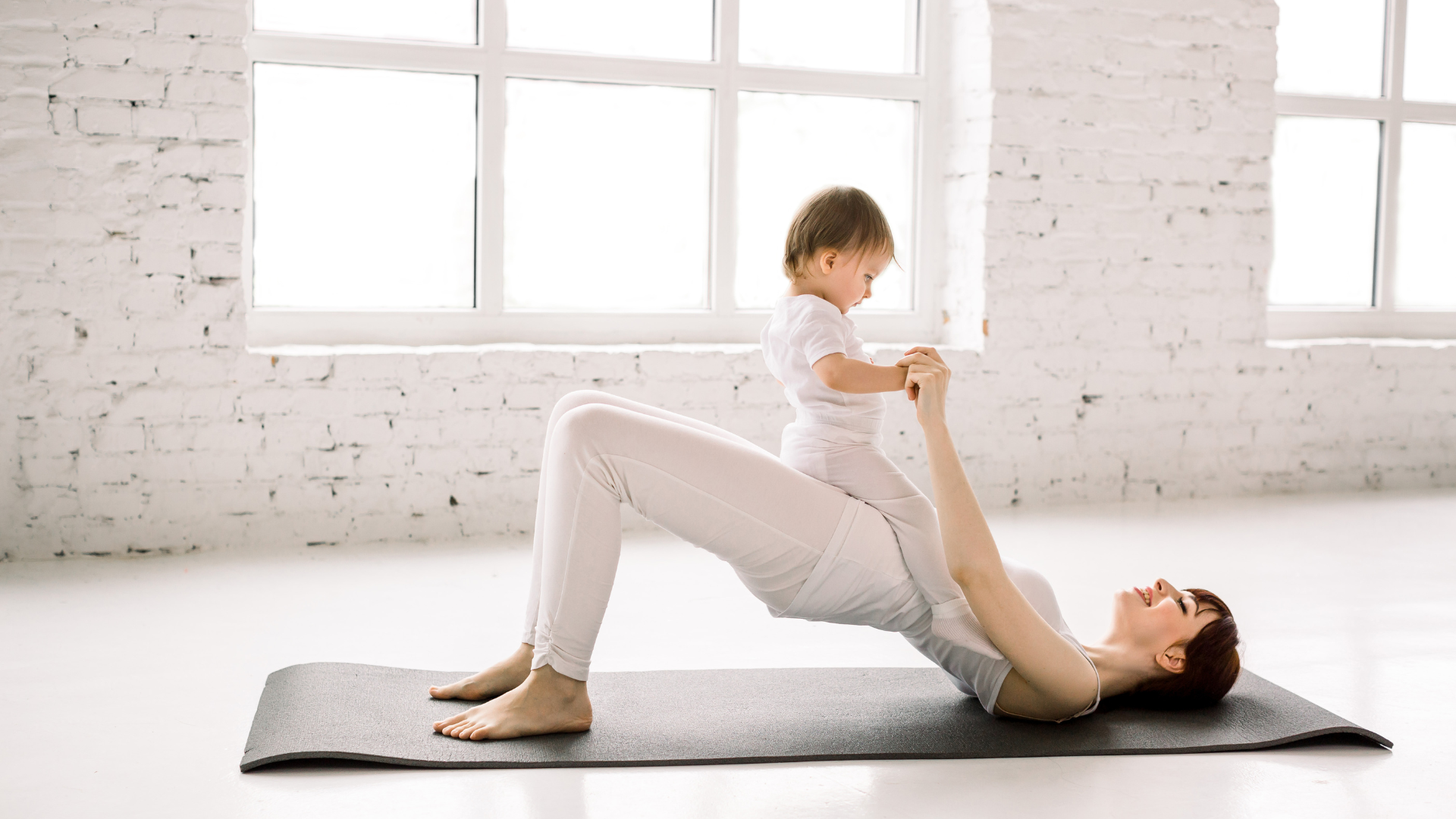
One of the most common issues we address is the separation of the abdominal muscles, known as diastasis recti. Many of us feel a “gap” in our midsection that makes us feel weak or causes our back to ache. We believe that traditional “crunches” or “sit-ups” are the worst things we can do for this condition, as they can actually push the muscles further apart. Instead, we focus on deep transverse abdominis engagement. We teach you how to “knit” your muscles back together through subtle, controlled movements coordinated with the breath. This is a slow process that requires patience, but it is the only way to truly restore the strength of your core. We are here to help you monitor this gap and adjust your practice as your muscles gradually regain their tone and proximity.
The Importance of Pelvic Floor Health
The pelvic floor is the group of muscles that supports our bladder, uterus, and bowels, and it takes a significant amount of pressure during both pregnancy and delivery. We find that many women experience “leaking” or a heavy sensation in the pelvis, which can be distressing. In our sessions, we don’t just tell you to do kegels; we teach you how to properly engage and relax these muscles. Over-tightening can be just as problematic as weakness. We integrate pelvic floor awareness into every pose, ensuring that you are protecting this vital area during your daily activities, such as lifting your baby or walking up stairs. We believe that a healthy pelvic floor is the key to long-term physical confidence and comfort.
Nurturing Your Mental Health and Sleep
Postpartum recovery is not just a physical journey; it is a mental and emotional one as well. We know that sleep deprivation and the constant demands of a newborn can leave us feeling drained and irritable. Our yoga practice includes “Yoga Nidra” and guided relaxation techniques that are designed to help you drop into a state of deep rest in a short amount of time. Even fifteen minutes of this deep rest can be more restorative than a fragmented nap. We use these techniques to help lower your cortisol levels and balance your hormones. By creating a calm internal environment, we make it easier for you to handle the challenges of motherhood with more patience and a clearer mind.
Also Read : What Should I Wear and Prepare for Online Postnatal Yoga ?
Creating a Sustainable Routine at Home
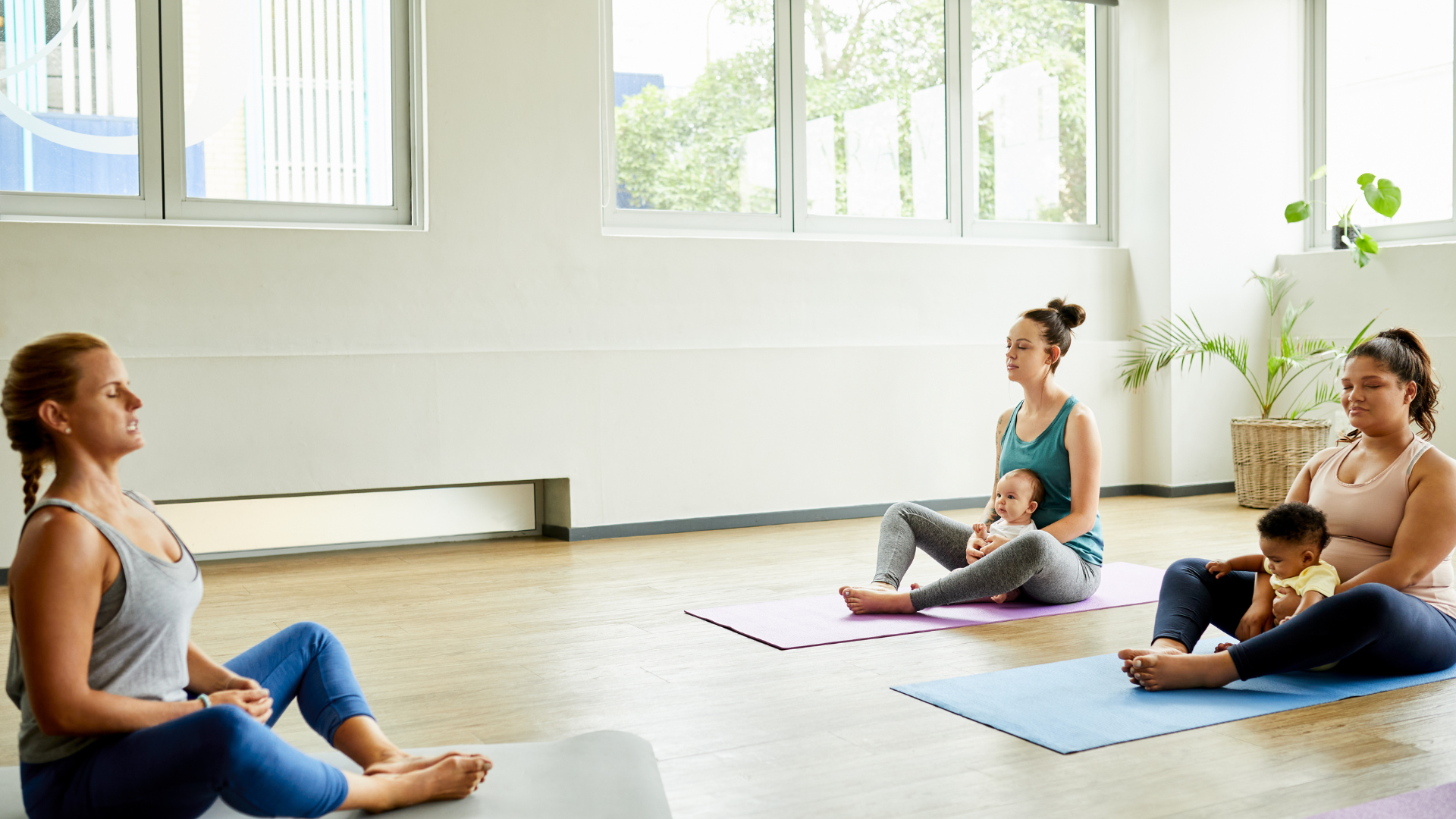
We understand that as a new mother, your time is no longer your own. We don’t expect you to spend an hour on the mat every day. We encourage a “snack-sized” approach to yoga, where you might do five minutes of stretching while the baby is on their play mat or ten minutes of breathing before you go to sleep. The convenience of our digital platform means you can access these tools whenever you have a quiet moment. We believe that these small, consistent efforts are much more effective for long-term healing than one long, exhausting session. We are here to support you in finding a rhythm that fits into your new life, helping you make self-care a non-negotiable part of your day.
We are committed to helping you rebuild your strength and confidence with the Online Post Natal Yoga Classes which are tailored specifically for your unique postpartum needs.
Every mother’s recovery timeline is different, and we are here to celebrate every small victory with you. Whether it is the first day you feel your core engaging again or the first night you sleep more soundly, we value the progress you make. We believe that by treating our bodies with kindness and avoiding the “bounce back” culture, we can emerge from the postpartum period stronger and more connected to ourselves than ever before. Let us take this journey one breath at a time, honoring the incredible work our bodies have done. Through mindful movement and expert guidance, we can ensure that your transition into this new chapter of life is healthy, safe, and filled with a sense of inner peace. Together, we will build a foundation of wellness that supports you and your family for years to come.
Inquiry
If you have any questions, please feel free to reach out. We’ll be glad to help!