
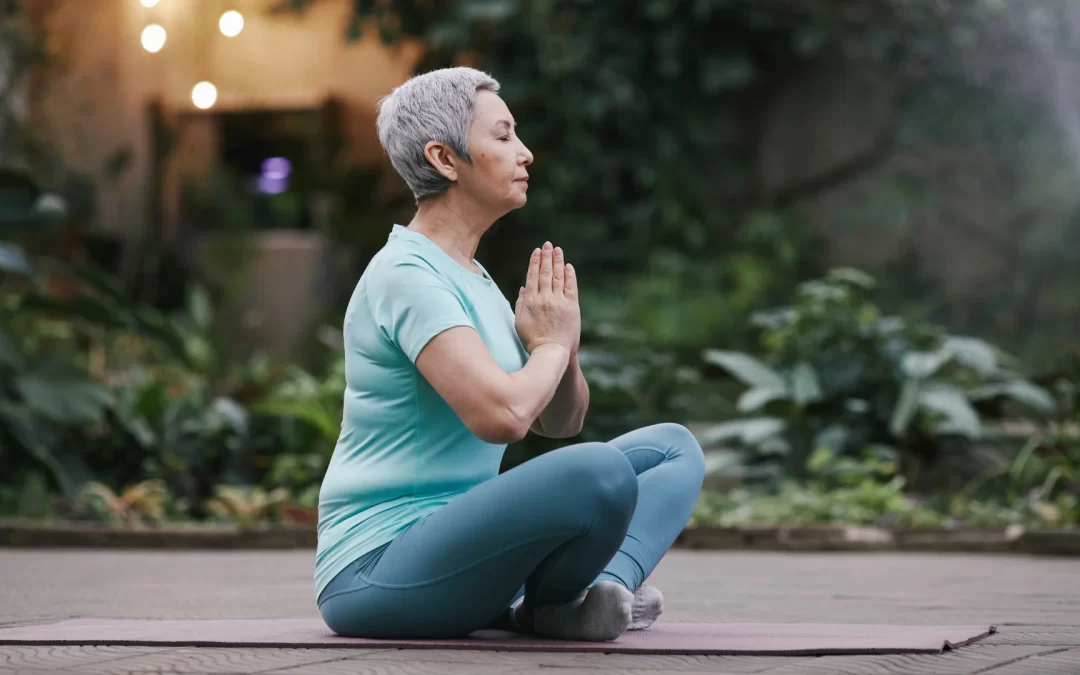
The digital age has brought the ancient practice of yoga directly into our homes through Online Yoga Classes, making morning routines more accessible than ever. Channels like “Shyambhai Yoga,” with their focus on “Morning Yoga || Exercise || Pranayam|| Breathing ||Regular Yoga,” represent the backbone of this at-home fitness revolution.
However, a peek behind the scenes—specifically, a look at the automatically generated transcripts—reveals a fascinating paradox. While technical glitches, background noise, or automatic transcription errors often render large portions of the speech “incoherent or fragmented,” the core instructional power and the clear intent of the session shine through with surprising clarity.
The excerpt provided, despite its fragmented nature, confirms a fundamental truth about effective online yoga instruction: the vital cues are always the most concise. This particular video is clearly designed as an active, instructional guide to a morning exercise routine. The presence of key Sanskrit and English terms immediately sets the stage for a physical and mindful practice.
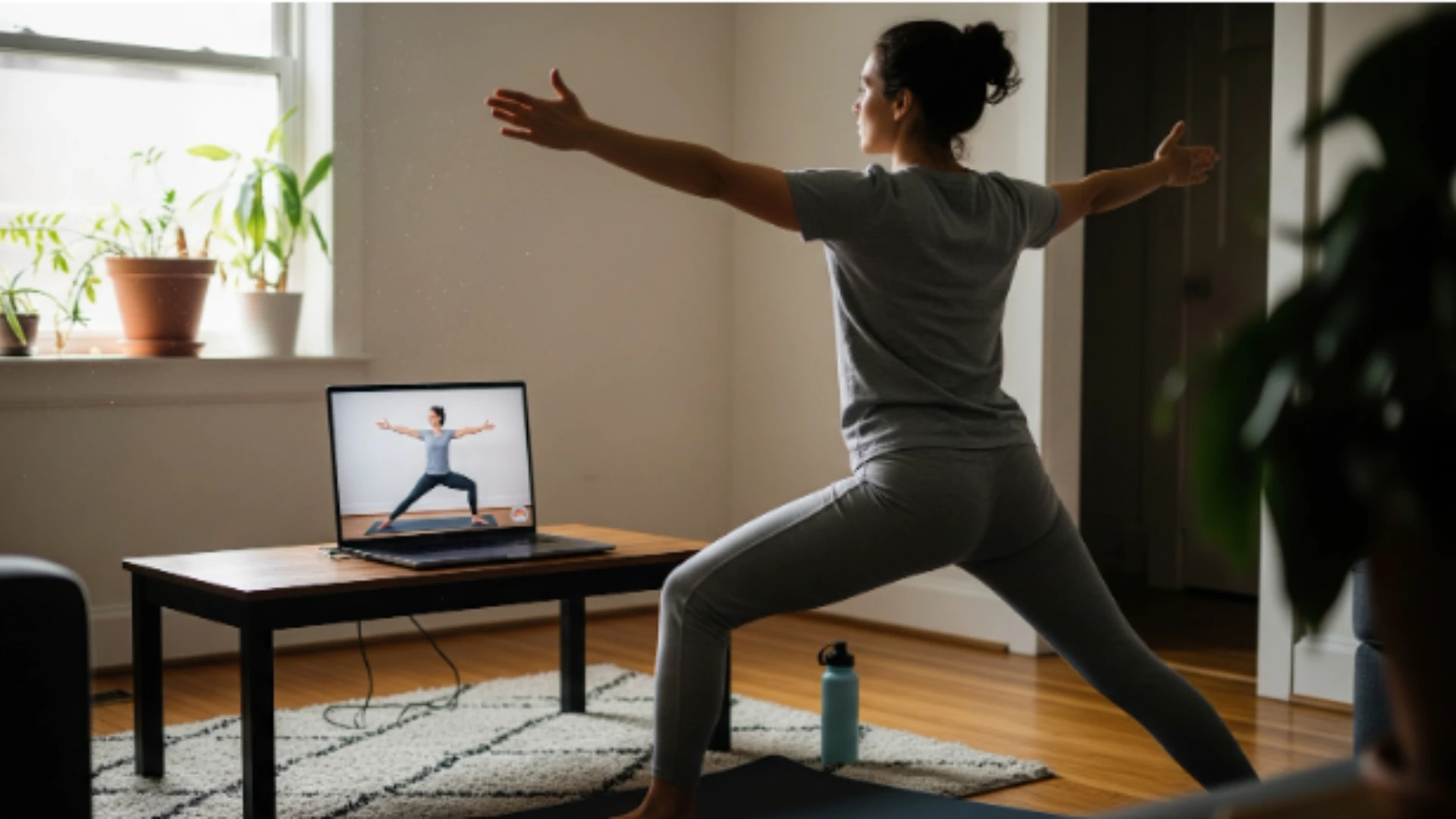
The Rhythmic Essence of Breath and Movement
At the heart of any yoga practice lies the seamless integration of breath and movement, often referred to as Vinyasa. The transcript repeatedly features the cornerstones of this synergy: “Pranayam,” “inhale,” and “exhale.” These terms aren’t just vocabulary; they are the governing rhythm of the entire session. Pranayama, the formal practice of breath control, is essential for calming the nervous system and preparing the body for physical effort, making its inclusion central to a ‘morning’ routine designed to set a positive tone for the day.
When a teacher cues an “inhale,” the viewer knows to expand their lungs and usually initiate a lifting or lengthening movement. Conversely, the instruction to “exhale” signals a contraction, a release, or a grounding movement. This dualistic structure provides a powerful, steadying cadence that transcends any accidental fragmentation in the surrounding narration. Even if the words between the breaths are lost, the consistent, rhythmic instruction of the breathing pattern maintains the integrity and effectiveness of the routine. The practice becomes less about listening to complex sentences and more about feeling the internal, rhythmic flow.
Also read: Wake Up and Flow: Yoga to Energize Your Morning
Decoding the Economy of Instructional Cues
What elevates this video from casual rambling to a legitimate instructional guide are the clear, action-oriented directives. These concise phrases act like navigational beacons in a sea of fragmented speech. Direct cues like “inhale right leg up,” “exhale down,” and “bring it down” leave no room for ambiguity regarding the physical action required. A skilled yoga instructor understands the economy of language. In a flow state, participants require minimal words to trigger maximum action. “Right leg up” is not a suggestion; it’s an immediate command for engagement. The instruction “exhale down” combines the breath cue with the movement cue, directing the participant to release tension and lower the limb or body into the next position. This focused language confirms the active and physical nature of the video—it’s not a philosophical discussion; it’s an immediate, practical guide for movement. The viewer, already on their mat and engaged, relies heavily on these unambiguous cues, demonstrating the teacher’s ability to guide with precision even when the transcript (or the ambient sound) is imperfect.
The Unfiltered Reality of the Digital Transcript
The fact that the transcript contains “incoherent or fragmented speech”—likely the result of automatic transcription struggling with non-native accents, background music, or the inherent speed of guided instruction—is, ironically, a testament to the video’s authenticity. This fragmented text highlights a critical point for online practitioners: the visual and auditory experience is paramount.
While transcripts are invaluable for accessibility and for reviewing complex points, the real-time engagement of a yoga session relies on listening to the instructor’s tone, watching their demonstration, and feeling the rhythm they establish. The viewer of Shyambhai Yoga must prioritize the audible, rhythmic cues over the potentially garbled text on the screen. This rawness underscores the live-action, unpolished feel common in many grassroots YouTube channels, where the focus is firmly on delivering a consistent, effective routine rather than pristine, studio-quality sound engineering. It’s a reminder that the physical practice is the core, and technical perfection is secondary.
The Takeaway: Consistency Over Perfection
Ultimately, the transcript confirms that the purpose of the video is simple, vital, and universal: to guide viewers through a morning exercise routine. The presence of “regular yoga” in the title stresses the importance of consistency. A morning routine, even a short one guided by simple cues like “inhale” and “exhale,” offers profound benefits—improving flexibility, boosting circulation, and mentally preparing the practitioner for the day ahead.
The effectiveness of this video, even when filtered through a glitch-filled transcription, lies in its commitment to the foundational elements of movement and breath. For those looking to establish a daily ritual, the lesson here is clear: find a guide whose core instructions resonate, embrace the occasional imperfection of the medium, and prioritize the doing over the decoding. This commitment to consistency is why Regular Online Yoga Classes succeed. The body remembers the sequence of “inhale right leg up” and “exhale down” far better than the mind remembers fragmented filler speech. It is in this simple, consistent flow that true well-being is found.

Inquiry
If you have any questions, please feel free to reach out. We’ll be glad to help!