

Shyambhai yoga has been guiding expectant mothers through gentle and mindful practices that support physical and emotional well-being during pregnancy. Pregnancy is a beautiful journey, but it can also bring challenges such as back pain, swelling in the legs and feet, fatigue, and emotional stress. As the body undergoes rapid changes to support a growing baby, many women look for natural and safe ways to relieve discomfort. Prenatal yoga has emerged as a trusted and holistic practice that offers much-needed relief and prepares mothers for childbirth. In the first half of this content, we will understand how posture, breathwork, and stretching taught through Online Pregnancy Yoga Classes make a difference.
Back pain is one of the most common discomforts experienced during pregnancy, particularly in the second and third trimesters. As the baby grows, the weight shifts forward, putting pressure on the lower back muscles and spine. Additionally, hormonal changes loosen the ligaments in the pelvic region to prepare for childbirth, which can lead to instability and pain. Prenatal yoga helps address this by focusing on poses that gently stretch the spine, strengthen the core, and release tension in the lumbar area. Movements such as cat-cow pose, supported child’s pose, and pelvic tilts help in improving posture, reducing lower back strain, and enhancing flexibility.
Swelling or edema, especially in the ankles, feet, and hands, is another common concern among pregnant women. This occurs due to fluid retention and increased pressure on blood vessels as the uterus expands. Prenatal yoga supports healthy blood circulation through slow, rhythmic stretching and controlled breathing. Certain poses like legs-up-the-wall (Viparita Karani) help reduce swelling by encouraging blood and lymph flow from the lower body back to the heart. When combined with regular hydration and rest, yoga practices can significantly reduce puffiness and provide a cooling, calming effect.
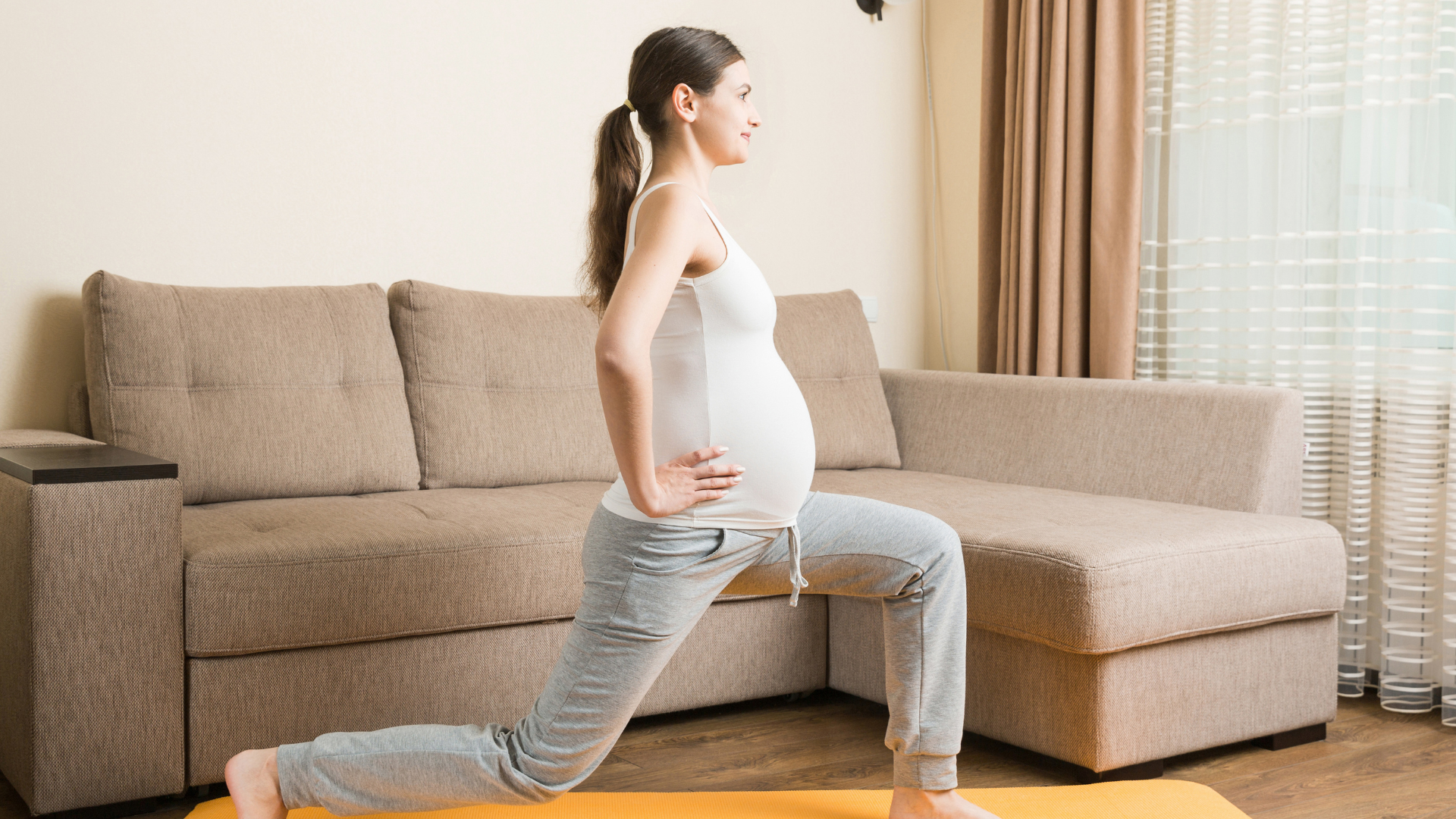
Understanding the Role of Prenatal Yoga in a Healthy Pregnancy
Breathwork, or pranayama, plays a crucial role in prenatal yoga. Deep breathing exercises help calm the nervous system, balance hormones, and lower stress levels. Pregnant women often deal with emotional fluctuations, anxiety about childbirth, and lack of sleep. Breath-focused techniques such as diaphragmatic breathing, alternate nostril breathing, and ujjayi breathing help regulate the mind and relax the body. This promotes better sleep, emotional stability, and mental resilience, preparing mothers for labor.
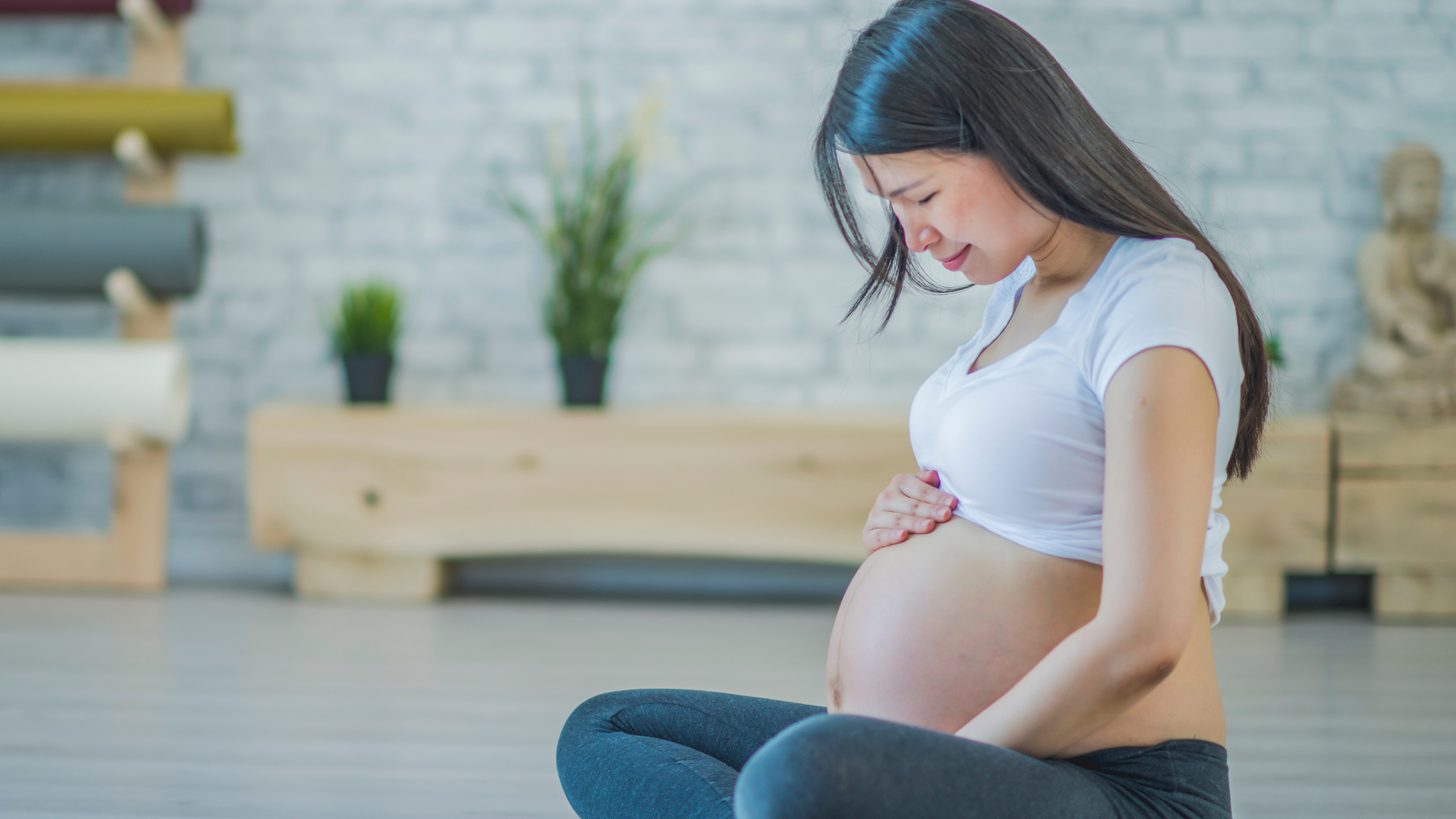
Another major benefit of prenatal yoga is improved body awareness. It helps women connect deeply with their bodies and their babies. Through mindful movements and meditation, mothers can feel more in control of their bodies and gain confidence in their ability to handle childbirth. This connection is not just physical but also emotional and spiritual. By learning to listen to their bodies, women can identify discomfort early and take steps to ease it naturally.
Prenatal yoga also emphasizes pelvic floor strengthening. The pelvic floor supports the uterus, bladder, and bowels and plays a vital role during labor and recovery after childbirth. Gentle poses like bridge pose and Kegels help maintain pelvic strength and elasticity, reducing the risk of urinary incontinence and aiding faster postpartum recovery. Strengthening this area can prevent excessive back pain and improve overall stability.
Also checkout, “How Does Prenatal Yoga Differ for Those Carrying Multiples?”
How Prenatal Yoga Reduces Discomfort and Prepares for Childbirth
Back pain and swelling are not only physical challenges; they can affect daily activities, mood, mobility, and overall quality of life. Engaging in prenatal yoga two to three times a week can greatly enhance comfort. Stretching the hamstrings, hips, and lower back relieves stiffness and improves alignment. Practices are always modified to suit the stage of pregnancy, ensuring safety by avoiding poses that strain the abdomen or require lying on the stomach or back for extended periods.
As pregnancy advances, the center of gravity changes. This can cause balance issues and increase the risk of falls. Prenatal yoga helps improve balance through standing poses such as warrior poses and tree pose, performed with support when necessary. These poses strengthen the legs, improve endurance, and build confidence in movement.
Swelling can also be reduced through gentle yoga flows combined with simple daily habits like elevating the legs, staying hydrated, wearing comfortable clothing, and avoiding standing for prolonged periods. Practicing yoga helps stimulate blood circulation and reduce fluid build-up in the tissues, thereby easing discomfort and tightness.
One of the biggest advantages of prenatal yoga is that it teaches relaxation techniques that can be used during labor. Labor can be intense and stressful, but yoga teaches mothers how to remain calm, breathe through contractions, and conserve energy. Visualization techniques, guided relaxation, and mindful breathing help reduce fear and tension. Women who practice yoga often report shorter labor duration and better pain management.
As we move into the second half of this discussion, it is important to highlight that Online Yoga Classes have made prenatal yoga more accessible than ever. Expectant mothers no longer need to travel to studios or worry about scheduling conflicts. Instead, they can practice from the comfort of their homes with experienced instructors guiding them through each pose and breathing technique. This flexibility ensures consistency in practice, which is key to experiencing the full benefits.
Online sessions often offer live classes and recorded videos, allowing women to choose the pace and time that suits them best. Instructors provide modifications based on individual needs, whether it is back pain, sciatica, swelling, or fatigue. Group classes also create a sense of community, where mothers can share experiences and feel supported.
Furthermore, online platforms offer additional resources such as diet tips, meditation sessions, and relaxation music designed for pregnant women. This holistic approach ensures physical, emotional, and mental wellness throughout pregnancy. It also encourages partners to participate in certain practices, enhancing bonding and shared responsibility.
Practicing prenatal yoga safely is crucial. Expectant mothers should always consult their doctors before starting any exercise routine, especially if they have complications such as high blood pressure, placenta previa, or risk of preterm labor. Once approved, starting slow and listening to the body is key. It is important to avoid poses that compress the abdomen, deep twists, or extreme stretches. Using props like cushions, bolsters, and chairs helps provide support and maintain proper alignment.
Hydration before and after yoga sessions is also essential to prevent dizziness and fatigue. Wearing loose, comfortable clothing and practicing in a well-ventilated room enhances the experience. Consistency is more important than intensity; even 20–30 minutes of daily practice can bring noticeable relief from back pain and swelling.
Prenatal yoga is more than just an exercise routine—it is a complete preparation for motherhood. It helps women build strength, endurance, and flexibility, while also nurturing emotional balance, self-awareness, and confidence. Yoga teaches expectant mothers to embrace their changing bodies, trust the natural process of childbirth, and stay grounded in the present moment.
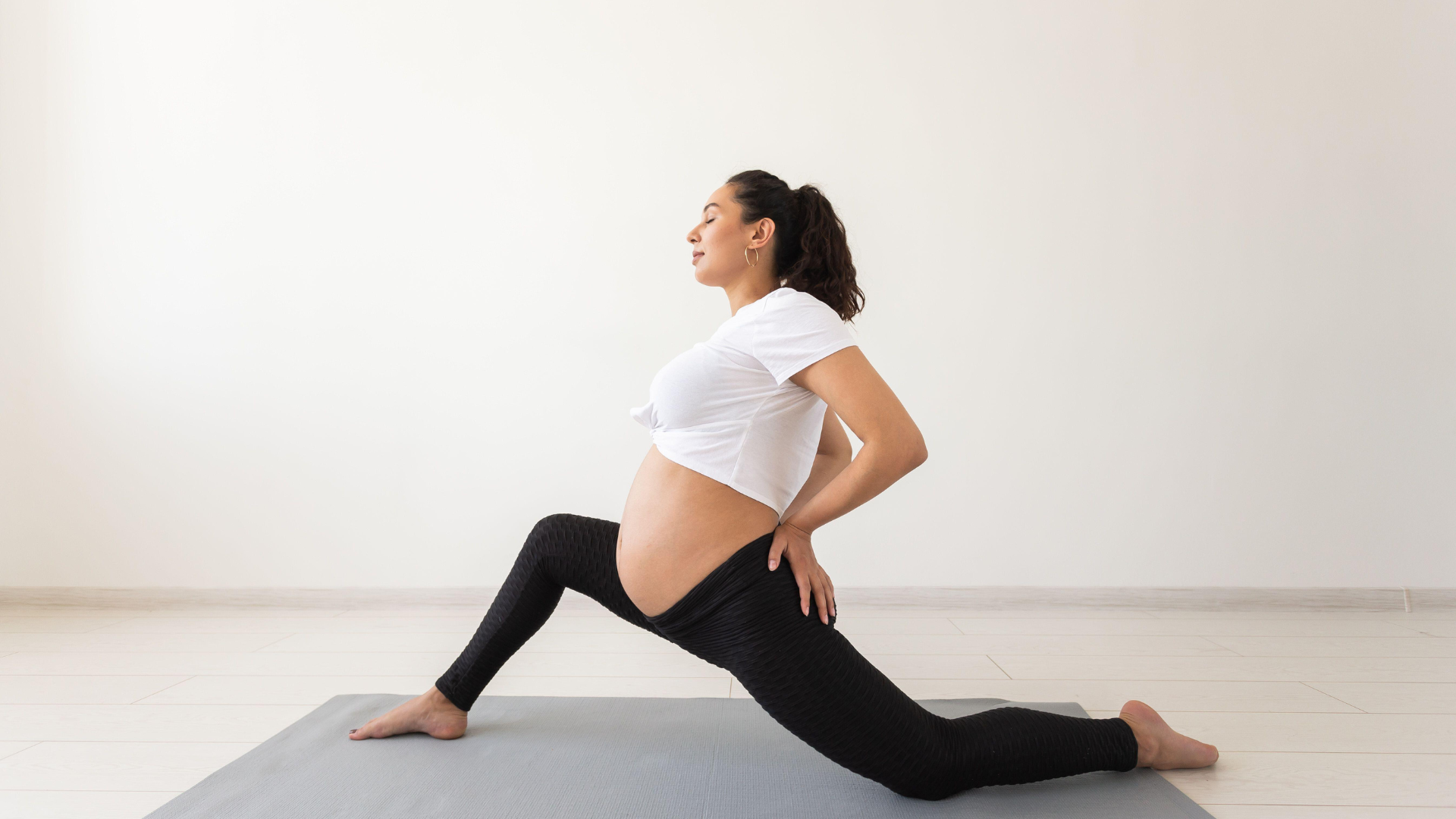
In conclusion, prenatal yoga offers a natural and effective way to reduce back pain and swelling, two of the most common discomforts during pregnancy. It improves posture, strengthens muscles, enhances blood circulation, promotes relaxation, and prepares women physically and mentally for labor. Whether practiced in studios or at home through digital platforms, this ancient practice brings modern comfort and wisdom to today’s mothers-to-be.
An report noted that “worldwide research suggests that about 50–80 % of expecting mothers suffer from lower back pain during pregnancy
With consistent practice, guidance from trained instructors, and mindful breathing, prenatal yoga can transform pregnancy into a more comfortable and empowering experience. Shyambhai yoga continues to support women on this journey, helping them nurture both body and mind as they prepare to welcome new life into the world.
Inquiry
If you have any questions, please feel free to reach out. We’ll be glad to help!