How Does Postnatal Yoga Help with Back Pain and Fatigue?
Motherhood is a beautiful journey, but it also comes with physical and emotional challenges. From sleepless nights to constant feeding and carrying the baby, new mothers experience immense strain on their bodies and minds. Shyambhai yoga understands these delicate changes and emphasizes gentle healing, especially during the postpartum period. One of the most common struggles new mothers face is back pain, caused by weakened core muscles, incorrect posture while breastfeeding, and hormonal changes that loosen joints and ligaments. Along with this, fatigue becomes a constant companion due to disrupted sleep and growing responsibilities.
In the first few weeks after delivery, the body starts to recover from intense changes such as stretched abdominal muscles, pelvic shifts, and hormone fluctuations. Many women overlook their physical and emotional well-being during this phase as they focus primarily on the baby’s needs. This is where practices like Online Post Natal Yoga Classes become extremely valuable—allowing mothers to heal gently while staying connected to their bodies from the comfort of home.
Why Postnatal Yoga is Important for New Mothers
Postnatal yoga is a thoughtfully designed practice that supports a woman’s body and mind after childbirth. The postpartum period brings significant physical changes, from weakened core muscles to strained shoulders and back due to constant feeding, lifting, and caring for the baby. Postnatal yoga helps mothers gently regain strength, restore flexibility, and find emotional balance during this healing phase.
One of its most important benefits is rebuilding core strength. During pregnancy, the abdominal muscles stretch to accommodate the baby, and the pelvic floor carries extra weight. This often weakens the core, leading to poor posture and lower back pain once the baby is born. Postnatal yoga includes safe movements and breathing techniques that gradually activate and strengthen the abdominal and pelvic floor muscles, helping to support the spine more effectively.
Additionally, the gentle stretches help ease stiffness in the neck, shoulders, and lower back—areas commonly affected by breastfeeding and holding the baby for long periods. Beyond physical recovery, postnatal yoga also promotes emotional well-being. Its calming breathing exercises and relaxation techniques help reduce stress, improve mood, and support better sleep.
Overall, postnatal yoga offers a holistic approach to recovery, helping new mothers rebuild strength, relieve discomfort, and reconnect with their bodies in a peaceful and nurturing way.
How Postnatal Yoga Helps with Back Pain
Back pain in new mothers often results from physical stress, improper posture while feeding the baby, bending frequently, and hormonal changes that loosen ligaments. Postnatal yoga helps address this in several ways:
- Strengthening Core and Pelvic Muscles: Gentle postures focus on activating the pelvic floor and lower abdominal muscles, offering better spinal support.
- Improving Posture: Yoga teaches new mothers how to sit, stand, and move without putting pressure on the lower back.
Stretching Tight Muscles: Positions that involve forward bends, side stretches, and gentle twists release tightness in the shoulders, hips, and upper back. - Enhancing Blood Flow: Improved circulation nourishes the spine, muscles, and joints, promoting faster healing.
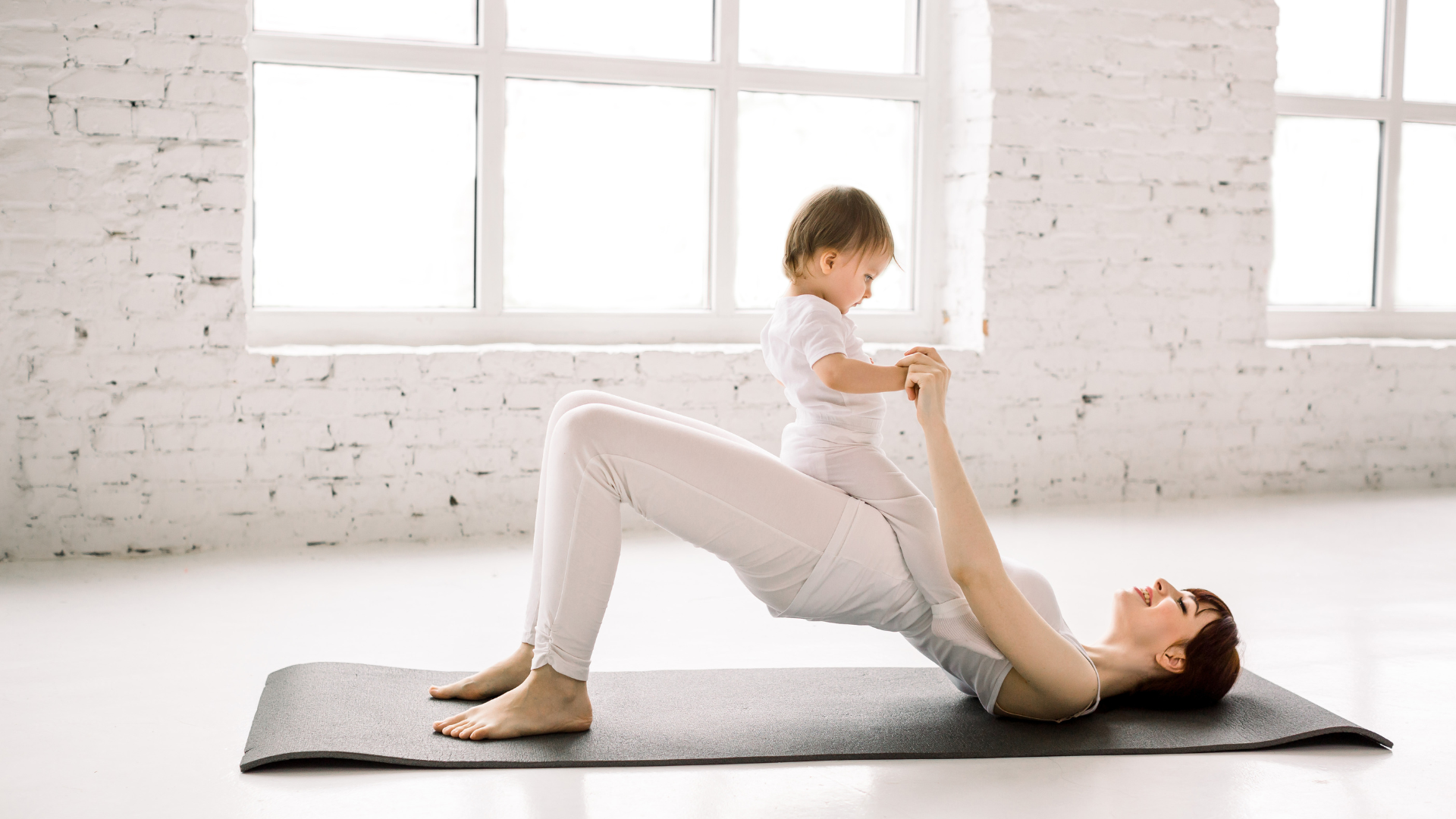
Popular postnatal yoga poses for back pain include Cat-Cow Pose (Marjaryasana-Bitilasana), Child’s Pose (Balasana), and Bridge Pose (Setu Bandhasana). These help restore mobility to the spine and reduce lower back stiffness.
Also read, “Yoga Poses You Can Do While Holding Your Newborn”
Postnatal Yoga and Fatigue Relief
Fatigue during the postpartum phase is not just physical—it often combines emotional exhaustion and mental stress. Constant feeding, sleepless nights, and adjusting to a new routine can leave moms feeling drained. Postnatal yoga helps reduce fatigue by:
- Promoting Deep Relaxation: Breathing techniques like diaphragmatic breathing calm the nervous system and improve oxygen supply to the body.
- Enhancing Sleep Quality: Yoga encourages better sleep by reducing anxiety and calming the mind before bedtime.
- Boosting Energy Levels: Gentle stretches and controlled movements improve blood circulation, which helps refresh both body and mind.
- Releasing Emotional Stress: Postnatal yoga focuses on mindfulness and emotional release, allowing mothers to feel more centered and peaceful.
The Role of Breathing and Meditation
Breathing techniques are a vital component of postnatal yoga. Practices such as alternate nostril breathing and abdominal breathing help regulate emotions, decrease stress hormones like cortisol, and increase lung capacity. Meditation, when combined with yoga, becomes a powerful tool for mental clarity and emotional resilience.
Mindfulness meditation encourages mothers to stay present and acknowledge their emotions without judgment. This reduces anxiety and prevents postpartum depression. A calm mind helps the body heal faster, making breathing and meditation essential in the recovery journey.
Creating a Safe Postnatal Yoga Routine
Before starting any postnatal yoga practice, it is crucial for new mothers to consult their healthcare provider. Every body heals at a different pace, depending on factors like delivery type, stitches, and overall strength. Once cleared, mothers can begin with slow and simple movements.
- Warm-Up: Gentle neck rolls, shoulder rotations, wrist and ankle stretches to prepare the body.
- Core Activation: Pelvic tilts, pelvic floor lifts (Kegels), and seated breathing to engage the core muscles.
Back Strengthening: Cat-Cow stretch, Bridge pose, and Sphinx pose to relieve tension in the spine. - Relaxation: Deep breathing, Shavasana, and guided meditation to end the session peacefully.
Consistency is key. Practicing yoga for 20–30 minutes daily can bring noticeable improvements in posture, back pain, and overall energy levels.
How Online Sessions Make Postnatal Yoga Accessible
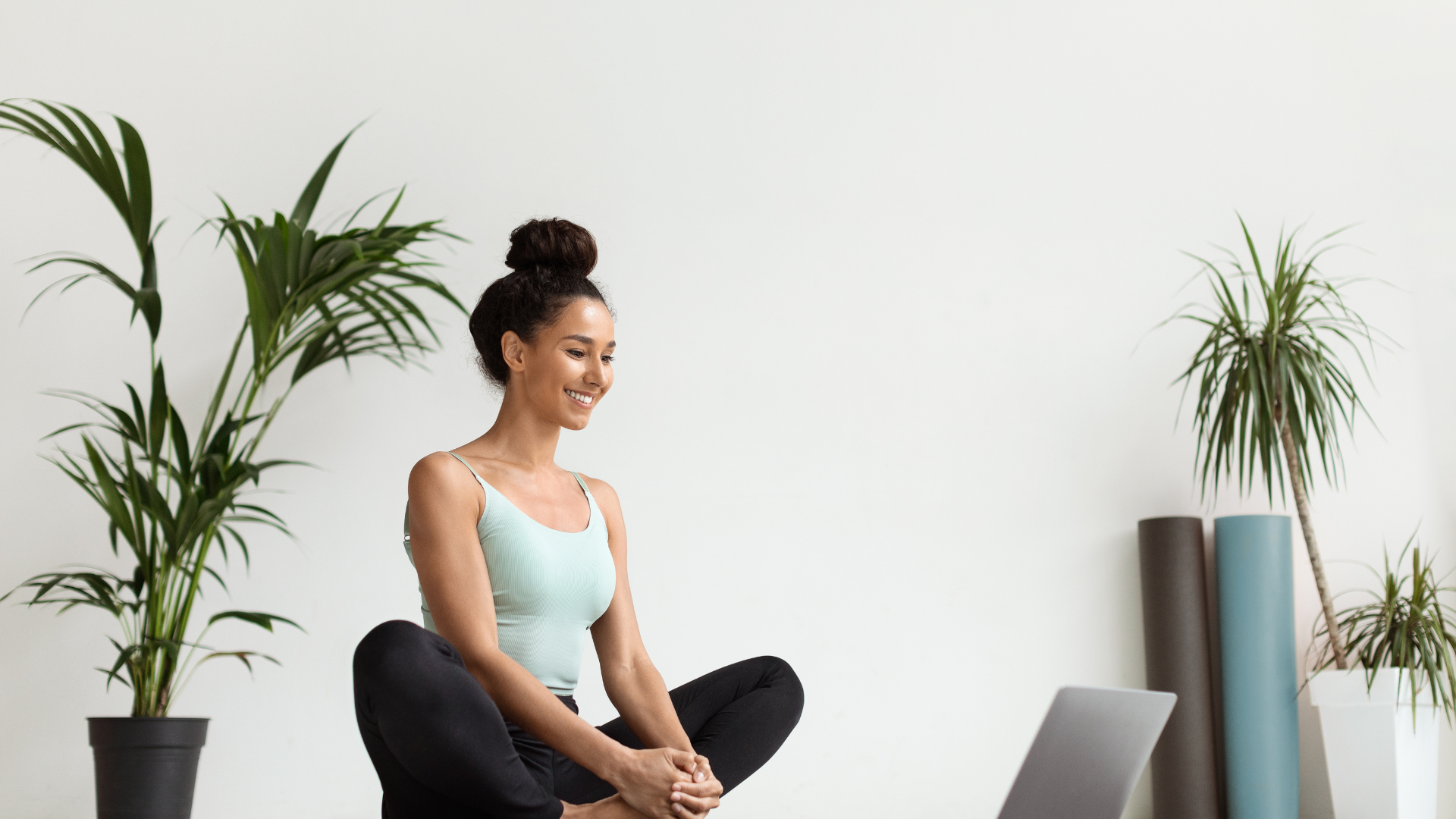
Many new mothers struggle to find time or energy to attend physical yoga classes due to childcare responsibilities, recovery, and lack of transportation. Today, virtual platforms provide a flexible alternative, allowing mothers to practice yoga from their homes, guided by trained instructors.
These digital classes offer:
- Flexible Timing: Sessions can be attended anytime, based on the baby’s schedule.
- Comfort and Privacy: Mothers can practice from the comfort of their homes without worrying about travel or public environments.
- Professional Guidance: Certified trainers guide mothers step-by-step to ensure safe posture alignment and avoid injuries.
- Community Support: Online yoga communities help mothers share experiences and gain motivation.
As new mothers gradually regain strength and confidence, they can transition from postnatal-specific practices to general Online Yoga Classes to maintain long-term health and wellness.
Emotional and Mental Balance Through Postnatal Yoga
Beyond physical fitness, postnatal yoga helps mothers reconnect with their bodies and emotions. The transition to motherhood can sometimes make women feel overwhelmed or lose a sense of identity. Yoga encourages self-awareness, helping them rediscover balance and inner peace. Evidence shows that practices like yoga — combining gentle movement, breathing and mindfulness — can help reduce symptoms of depression and anxiety in the perinatal context. For example, an intervention study found that mind-body practices helped manage psychological problems during pregnancy, suggesting relevance for postpartum too.
Conclusion: Gentle Healing for Mind and Body
Postnatal yoga is more than a physical exercise—it is a holistic path to recovery, strength, and emotional well-being. It helps reduce back pain by strengthening the core and improving posture, while also addressing fatigue through relaxation, improved breathing, and mental clarity. By embracing a gentle and mindful approach, new mothers can feel more connected to their bodies and their babies.
With the right guidance, dedication, and the support of practices like Shyambhai yoga, postpartum recovery becomes smoother, healthier, and more joyful. Yoga empowers mothers to care for themselves while caring for their little ones—bringing harmony to both body and mind.
Inquiry
If you have any questions, please feel free to reach out. We’ll be glad to help!