
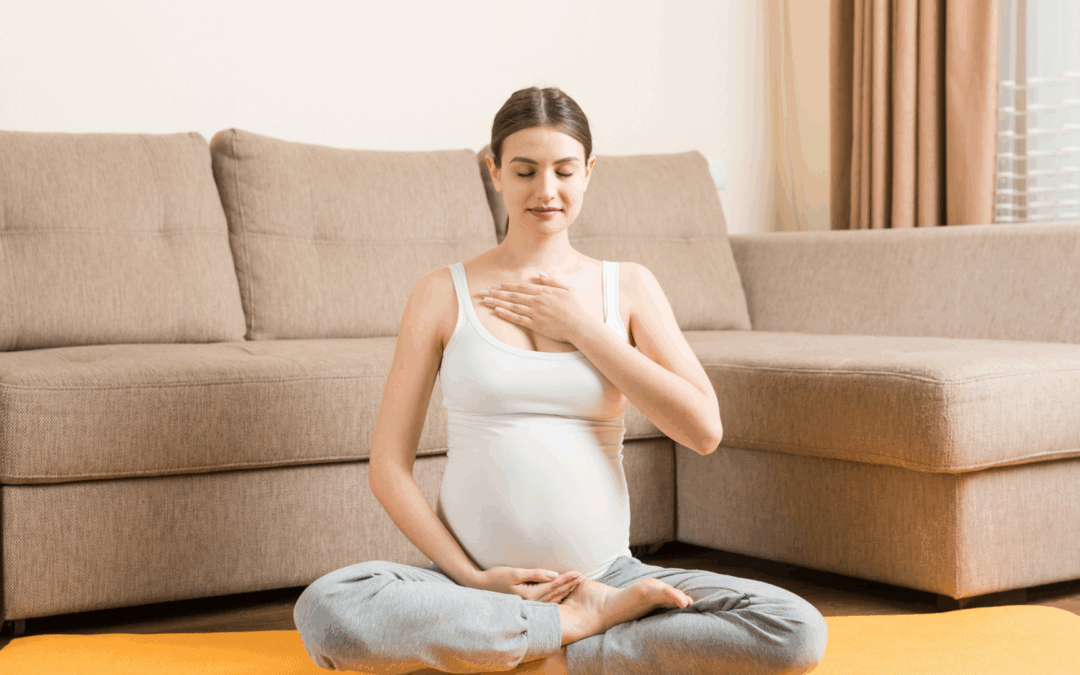
How Can Pregnancy Yoga Classes Build Strength and Mindfulness?
Pregnancy is a transformative journey that brings a mix of joy, anticipation, and challenges. Every expectant mother experiences changes not only physically but also emotionally and mentally. Navigating these changes can be smoother with the support of guided wellness practices, and this is where Shyambhai yoga comes into play. Yoga tailored specifically for pregnancy helps women embrace this journey with confidence, strength, and mindfulness. It’s more than just gentle stretches; it’s a holistic approach to nurturing the body, calming the mind, and fostering emotional resilience.
Understanding Pregnancy Yoga
Pregnancy yoga, often referred to as prenatal yoga, is designed to meet the unique needs of expectant mothers. Unlike general yoga, prenatal yoga focuses on poses and breathing techniques that are safe and beneficial during pregnancy. These classes emphasize gentle stretching, core strengthening, and relaxation methods that can reduce stress and prepare the body for childbirth.
With modern advancements, many expectant mothers now prefer the convenience of Online Pregnancy Yoga Classes. These classes allow women to practice from the comfort of their homes while still receiving expert guidance. The digital format ensures flexibility, so sessions can fit into varying schedules and energy levels, a crucial benefit during the physically and emotionally demanding months of pregnancy.
Physical Benefits of Pregnancy Yoga
One of the primary advantages of pregnancy yoga is the strengthening of muscles essential for labor and delivery. The practice targets the core, pelvic floor, back, and leg muscles, all of which undergo significant strain during pregnancy. Strengthening these areas not only aids in maintaining proper posture but also alleviates common pregnancy discomforts like lower back pain and swelling in the legs.
Gentle stretching and movement improve flexibility, allowing for greater ease as the body adapts to the growing baby. This flexibility is particularly important during labor, where a body that moves freely can better cope with contractions and birthing positions. Additionally, prenatal yoga encourages proper alignment and body awareness, which helps in reducing fatigue and minimizing the risk of injury.
Building Emotional Resilience
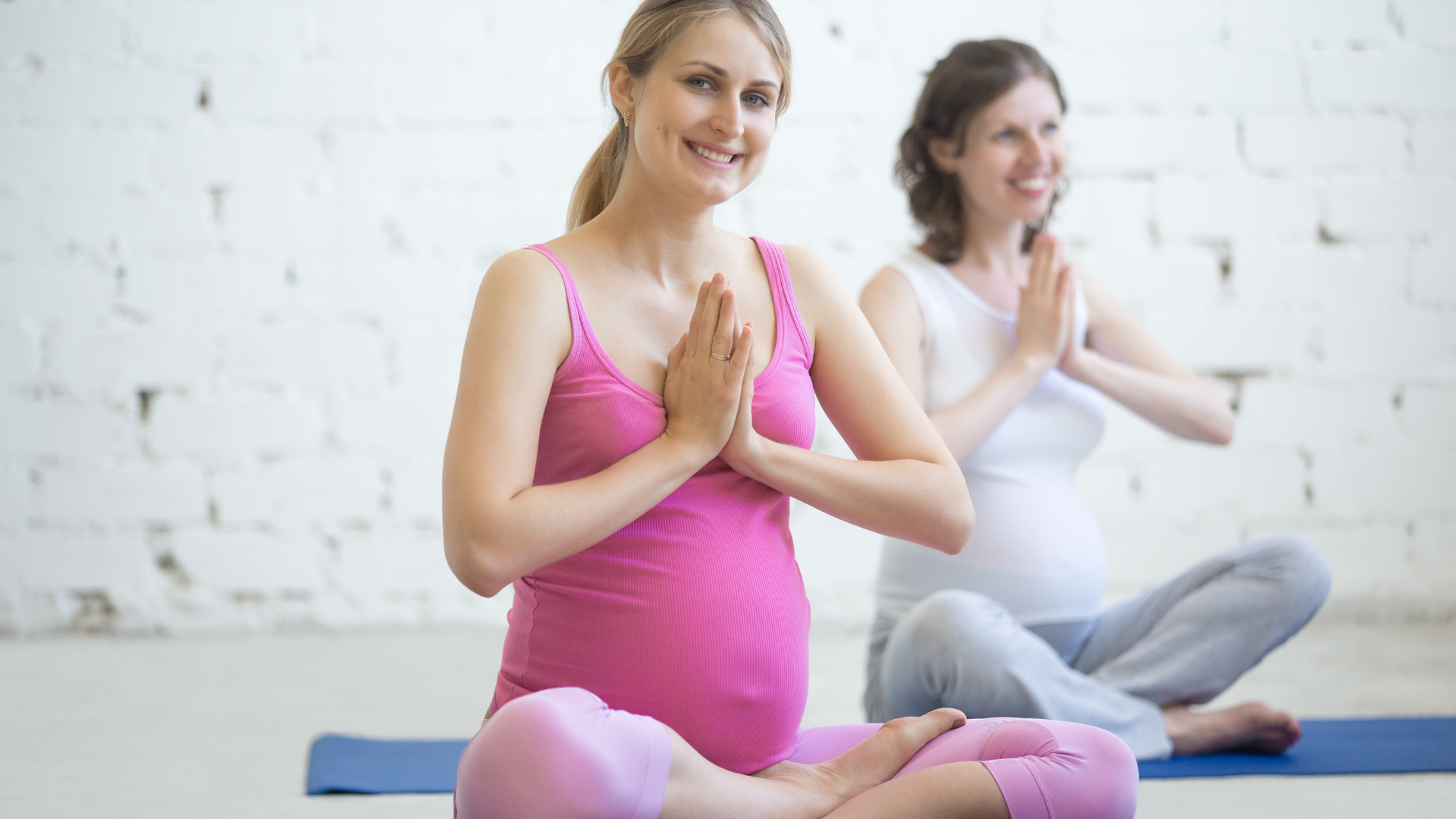
Pregnancy is not just a physical journey—it’s deeply emotional. Hormonal fluctuations, changing body image, and anticipation of the newborn can bring stress and anxiety. Yoga provides a safe space to connect with the body and the growing life within, promoting emotional balance. Mindfulness techniques, including meditation and focused breathing, are integral components of pregnancy yoga. These practices calm the nervous system, reduce anxiety, and cultivate a sense of inner peace.
Breathing exercises, or pranayama, are particularly powerful during pregnancy. They help regulate stress hormones, enhance oxygen flow, and prepare the mother for the breathing techniques often required during labor. Over time, these practices cultivate emotional resilience, empowering mothers to face the challenges of pregnancy and childbirth with confidence and composure.
Mind-Body Connection
Pregnancy yoga emphasizes the vital connection between mind and body. Each movement, stretch, or pose is performed with mindful attention to bodily sensations, fostering awareness of how the body responds to the demands of pregnancy. This mindful approach helps mothers listen to their bodies and respect its limits, reducing the likelihood of overexertion or strain.
The mental clarity developed through regular practice can also enhance decision-making and coping strategies, which are invaluable during the unpredictable phases of pregnancy and labor. Expectant mothers who consistently practice mindfulness often report a heightened sense of presence, joy, and gratitude during their pregnancy journey.
Improving Posture and Reducing Discomfort
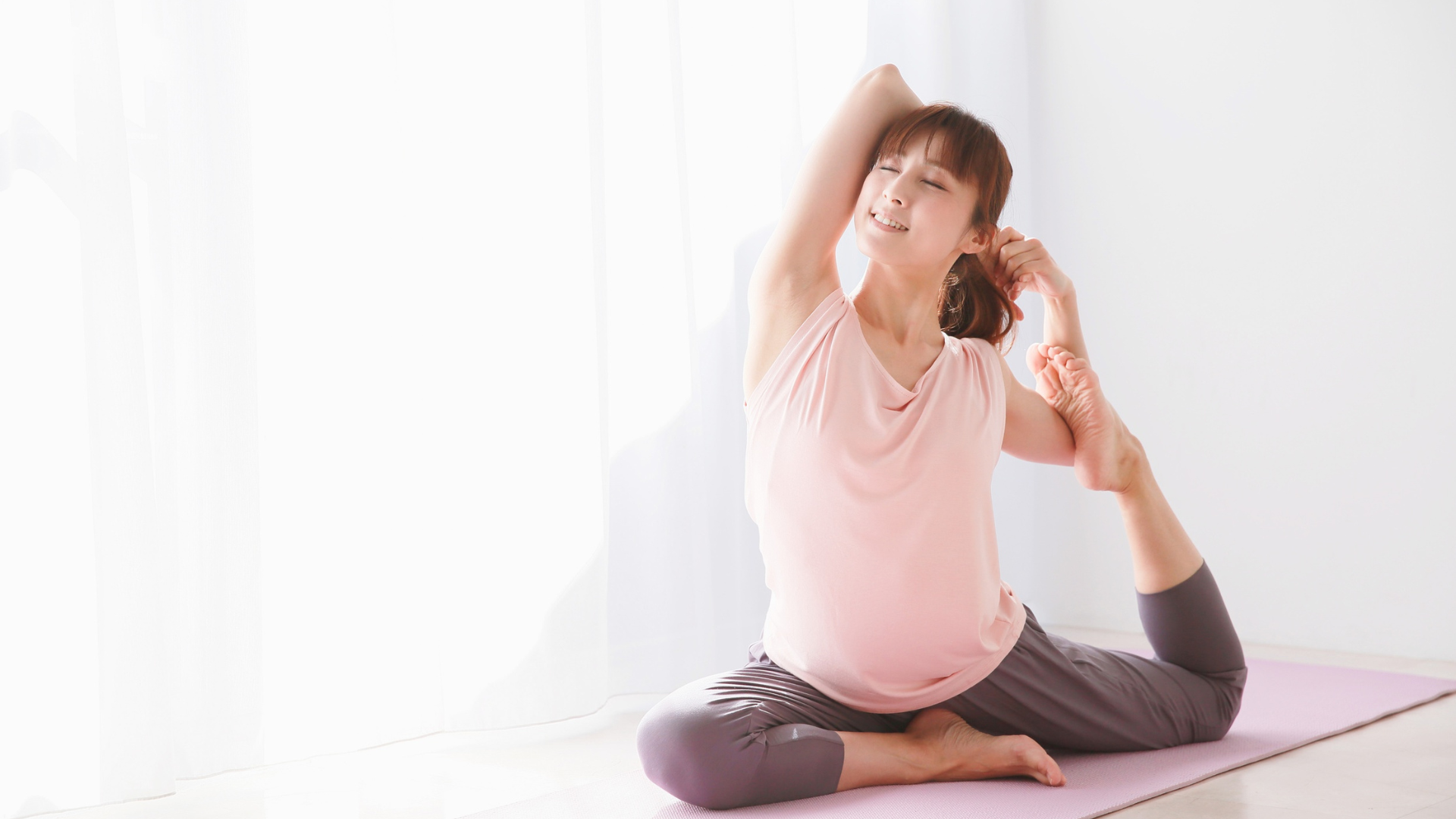
As the pregnancy progresses, posture changes due to the growing weight of the baby. These changes can result in back, hip, and pelvic discomfort. Prenatal yoga helps correct posture imbalances by strengthening key muscle groups and encouraging spinal alignment. Specific poses focus on opening the hips, elongating the spine, and relieving tension in the shoulders, neck, and back.
Gentle yoga stretches also enhance circulation, reduce swelling, and promote better sleep—common concerns during pregnancy. The combination of strength, flexibility, and mindful movement ensures that mothers experience less physical strain and greater comfort, both during pregnancy and postpartum.
Also read, “How Can You Safely Practice Yoga in the Third Trimester?”
Preparing for Labor and Delivery
A significant benefit of pregnancy yoga is its ability to prepare women physically and mentally for labor. Strengthened pelvic and core muscles support labor positions and ease delivery. Controlled breathing techniques taught in yoga sessions can be used to manage labor pain and maintain focus during contractions.
Visualization practices, often integrated into prenatal yoga, allow mothers to mentally rehearse the birthing process. This mental preparation reduces fear, boosts confidence, and enhances the overall childbirth experience. The combination of physical readiness and mental calmness makes labor less intimidating and more empowering.
The Role of Meditation in Pregnancy Yoga
Meditation is a cornerstone of prenatal yoga, promoting deep relaxation and emotional clarity. Expectant mothers learn to observe their thoughts without judgment, fostering patience and acceptance. Meditation also enhances the bond between mother and child, as it encourages mindfulness of the growing life within.
Regular meditation can improve sleep quality, reduce stress hormones, and enhance mood, which are all crucial for a healthy pregnancy. By integrating meditation into their routine, mothers develop tools to manage anxiety and cultivate a positive outlook.
Strengthening Community Connections
While online platforms offer convenience, prenatal yoga can also foster a sense of community. Many Online Pregnancy Yoga Classes provide forums, group discussions, and virtual meet-ups where mothers can share experiences, ask questions, and support each other. This sense of community reduces feelings of isolation and builds emotional resilience.
Sharing experiences and learning from other expectant mothers can also provide practical insights into coping strategies for physical discomfort, mental stress, and lifestyle adjustments during pregnancy. Knowing that others are navigating similar challenges creates reassurance and encouragement.
Incorporating Prenatal Yoga into Daily Life
Integrating prenatal yoga into daily routines has been shown to offer significant physical and mental health benefits for expectant mothers. A survey revealed that 82% of new mothers found that practicing yoga improved their sleep quality, which is often disrupted during the postpartum period. Additionally, 76% reported feeling more energetic to handle daily household chores, and 83% experienced improved flexibility. Furthermore, 61% of those who practiced yoga during pregnancy confirmed they would continue the practice even after childbirth, recognizing its importance for maintaining physical fitness and aiding in faster recovery post-labor. These findings underscore the positive impact of regular yoga practice on maternal health and well-being
Transitioning Beyond Pregnancy
The benefits of prenatal yoga extend beyond childbirth. Many mothers continue practicing postpartum yoga to restore strength, balance hormones, and manage stress. Postnatal yoga complements the physical demands of caring for a newborn while promoting emotional well-being.
For mothers who prefer flexibility, Online Yoga Classes offer continuity, allowing them to maintain their practice from home. These classes often provide tailored sessions for postpartum recovery, focusing on core strength, pelvic floor rehabilitation, and gentle stretching to ease postpartum aches.
Cultivating Mindfulness for Parenthood
Prenatal yoga doesn’t just prepare mothers for labor; it lays the foundation for mindful parenting. The self-awareness, patience, and emotional resilience developed during yoga practice translate into better stress management and presence as a parent. Mothers learn to navigate the challenges of early parenthood with calmness, compassion, and attentiveness.
Yoga also encourages mothers to model healthy habits for their children, instilling values of physical activity, emotional awareness, and mindfulness from the very beginning. This creates a nurturing and balanced environment for the family.
Shyambhai Yoga: A Trusted Guide
Choosing the right yoga guide is essential to maximize the benefits of prenatal yoga. Shyambhai yoga offers expert instructors who understand the nuances of pregnancy and tailor practices to individual needs. With a focus on safety, mindfulness, and holistic wellness, these classes support mothers throughout their pregnancy journey.By combining physical strengthening, mindful breathing, meditation, and community support, Shyambhai yoga ensures that expectant mothers can approach pregnancy with confidence, joy, and awareness.
Inquiry
If you have any questions, please feel free to reach out. We’ll be glad to help!