
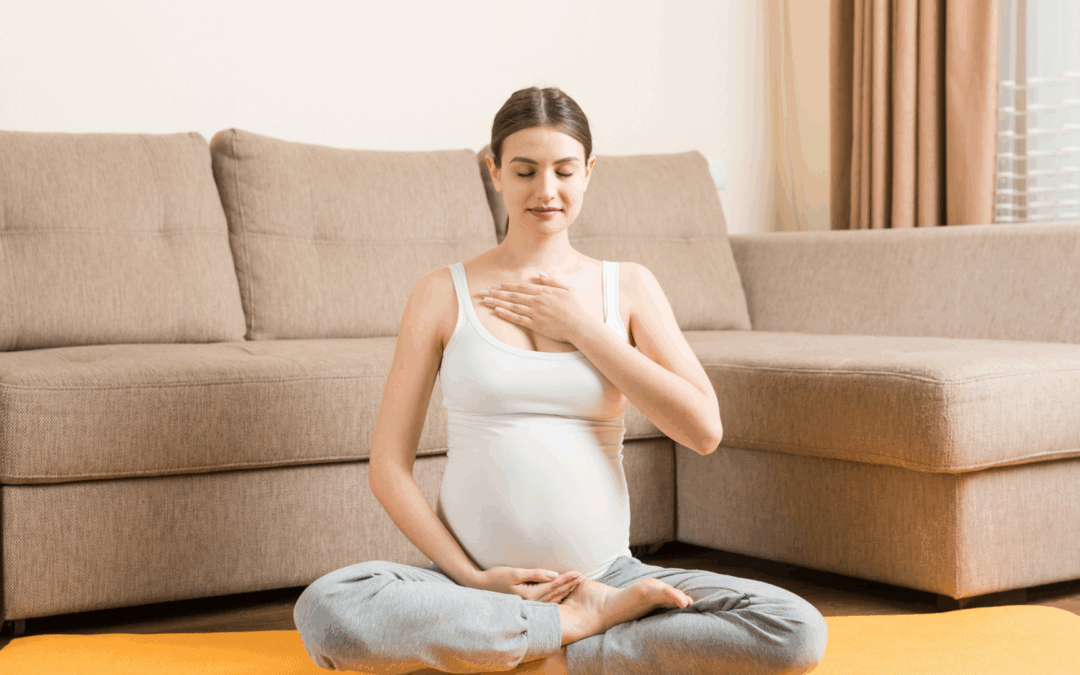
Top 10 Safe and Gentle Yoga Poses for Expectant Mothers?
Pregnancy is a transformative journey filled with physical, emotional, and mental changes. For many women, staying active while ensuring safety becomes a top priority. Gentle yoga is one of the best ways to stay balanced, relieve discomfort, and prepare the body for childbirth. Practices that focus on breathing, stretching, and relaxation bring comfort during all stages of pregnancy. With the guidance of trusted experts such as Shyambhai yoga, mothers-to-be can enjoy a safe, mindful routine that supports both mother and baby.
In this article, we will explore ten safe and gentle yoga poses designed especially for expectant mothers. Each posture promotes relaxation, enhances flexibility, and helps manage common pregnancy symptoms like back pain, fatigue, and stress. Whether you are a beginner or someone with prior yoga experience, these poses offer a gentle path to wellness during pregnancy. And if you want structured guidance, Online Pregnancy Yoga Classes can provide personalized support from the comfort of home.
Benefits of Practicing Yoga During Pregnancy
Yoga during pregnancy offers countless benefits beyond physical fitness. It nurtures mental clarity, strengthens the body, and fosters a deeper bond with the growing baby. Some of the major benefits include:
- Improved flexibility and strength – Yoga helps strengthen muscles needed for labor while keeping the body supple.
- Better posture and reduced back pain – Gentle stretching releases tension and relieves pressure on the spine.
- Stress relief and relaxation – Focused breathing reduces anxiety and encourages emotional balance.
- Preparation for childbirth – Breathing techniques and hip-opening poses prepare the body for delivery.
- Improved sleep quality – Relaxation poses promote restful sleep, which is often disrupted during pregnancy.
Top 10 Safe and Gentle Yoga Poses for Expectant Mothers
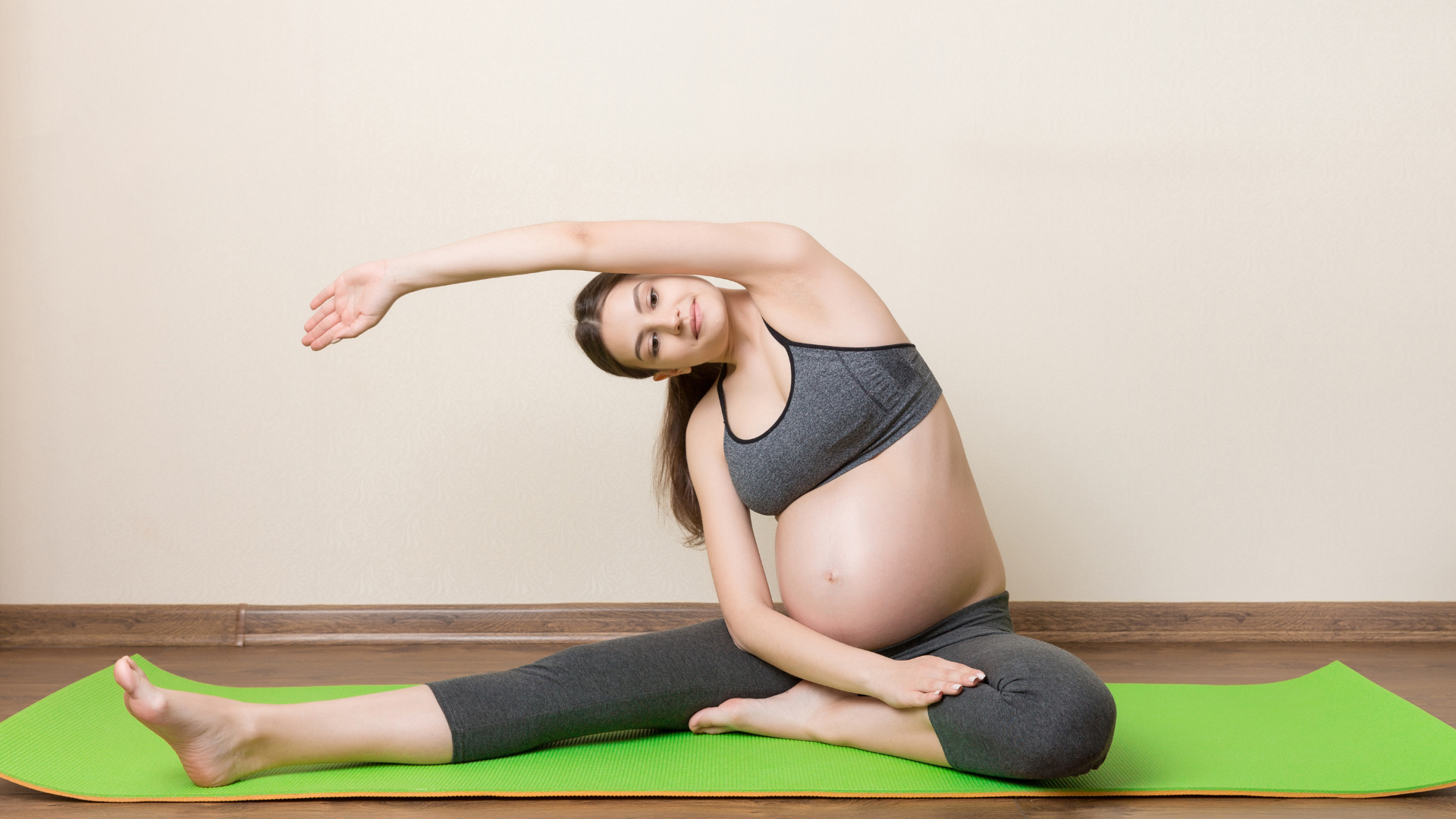 Below are ten yoga postures that are safe, gentle, and supportive for expectant mothers. Each pose is accompanied by guidance on its benefits and tips for practicing it safely.
1. Cat-Cow Stretch (Marjaryasana-Bitilasana)
This gentle flow between Cat and Cow poses relieves lower back pain, improves spinal flexibility, and supports circulation.
- How to practice: Begin on all fours with hands under shoulders and knees under hips. Inhale, arch the back, lift the head, and tilt the pelvis (Cow). Exhale, round the spine, tuck the chin, and draw the belly inward (Cat).
- Benefits: Relieves back discomfort, improves posture, and promotes relaxation.
2. Bound Angle Pose (Baddha Konasana)
Also known as the Butterfly Pose, this posture gently opens the hips and pelvis, supporting flexibility and circulation.
- How to practice: Sit with the soles of the feet together, letting the knees fall gently to the sides. Keep the spine tall and shoulders relaxed.
- Benefits: Opens hips, reduces fatigue, and promotes blood flow in the pelvic area.
3. Child’s Pose (Balasana)
This restful pose helps release tension in the lower back and calms the nervous system. It’s also a wonderful way to rest during practice.
- How to practice: Kneel on the floor, spread the knees apart while keeping the toes together, and slowly fold forward, extending the arms. Use a cushion or bolster under the torso if needed.
- Benefits: Relieves back pressure, improves relaxation, and encourages deep breathing.
4. Warrior II Pose (Virabhadrasana II)
This standing posture builds strength in the legs and hips while improving stability and stamina.
- How to practice: Stand with feet wide apart, turn one foot out, and bend the front knee while extending arms parallel to the floor. Keep the chest open and gaze forward.
- Benefits: Strengthens the lower body, improves balance, and energizes the body.
Also checkout, “Tips for Creating a Safe Home Yoga Routine While Pregnant”
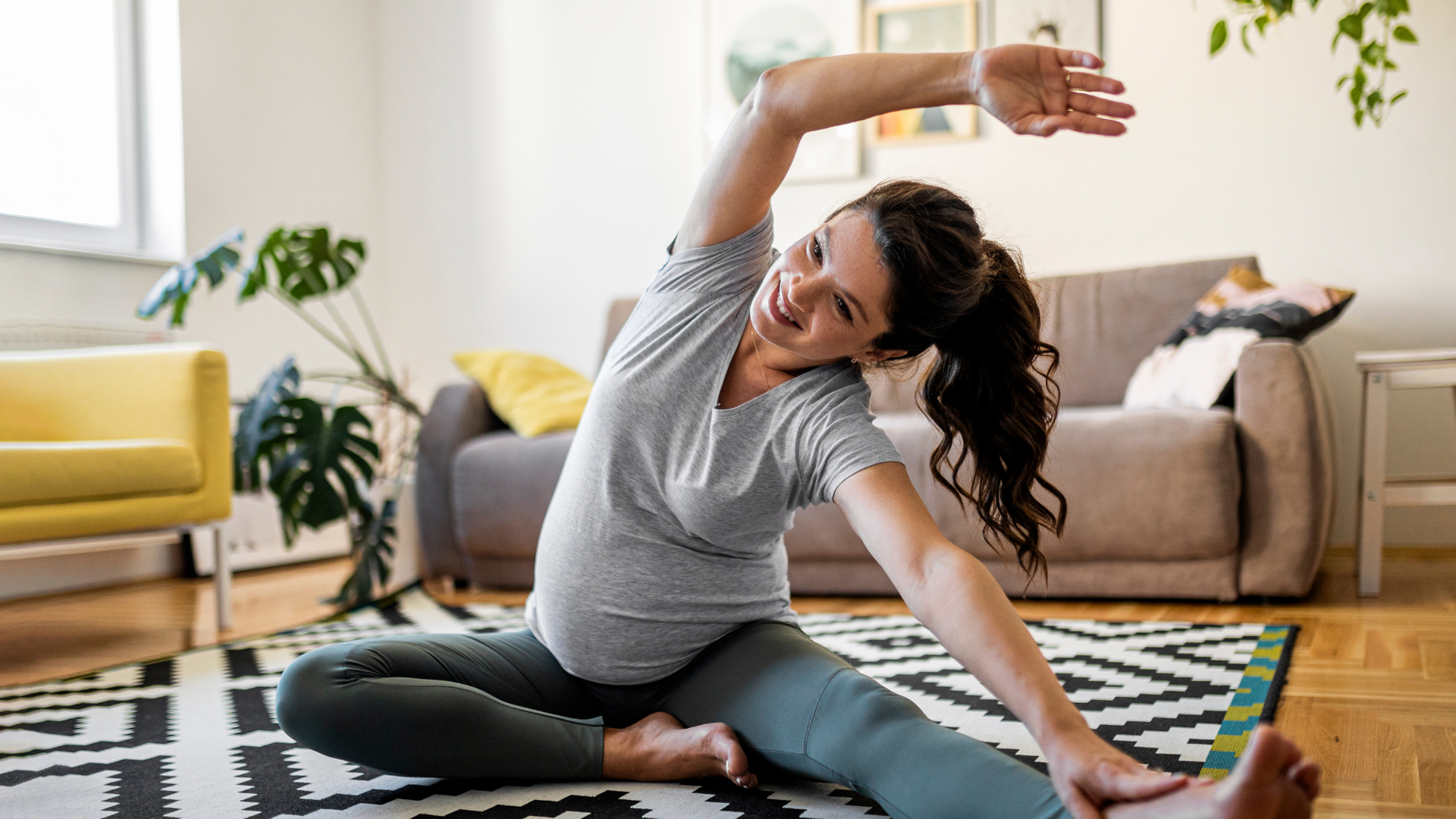
5. Seated Side Stretch (Parsva Sukhasana)
A gentle seated side bend that helps create space in the torso and improves breathing capacity.
- How to practice: Sit cross-legged on the mat, place one hand on the floor, and stretch the opposite arm overhead, reaching gently to the side.
- Benefits: Opens the ribcage, improves lung capacity, and eases tension in the waist.
6. Supported Squat (Malasana with Support)
Squatting supports pelvic flexibility and prepares the body for labor. Using props ensures comfort and safety.
- How to practice: Stand with feet wider than hips, slowly bend the knees, and lower into a squat. Place a bolster or block under the hips for support. Keep palms together in front of the chest.
- Benefits: Opens hips, strengthens legs, and improves circulation.
7. Legs Up the Wall Pose (Viparita Karani)
A relaxing pose that eases swelling in the feet and legs while calming the mind.
- How to practice: Sit sideways near a wall, then gently swing the legs upward against the wall while reclining on the back with a cushion under the hips.
- Benefits: Reduces leg swelling, improves blood flow, and promotes relaxation.
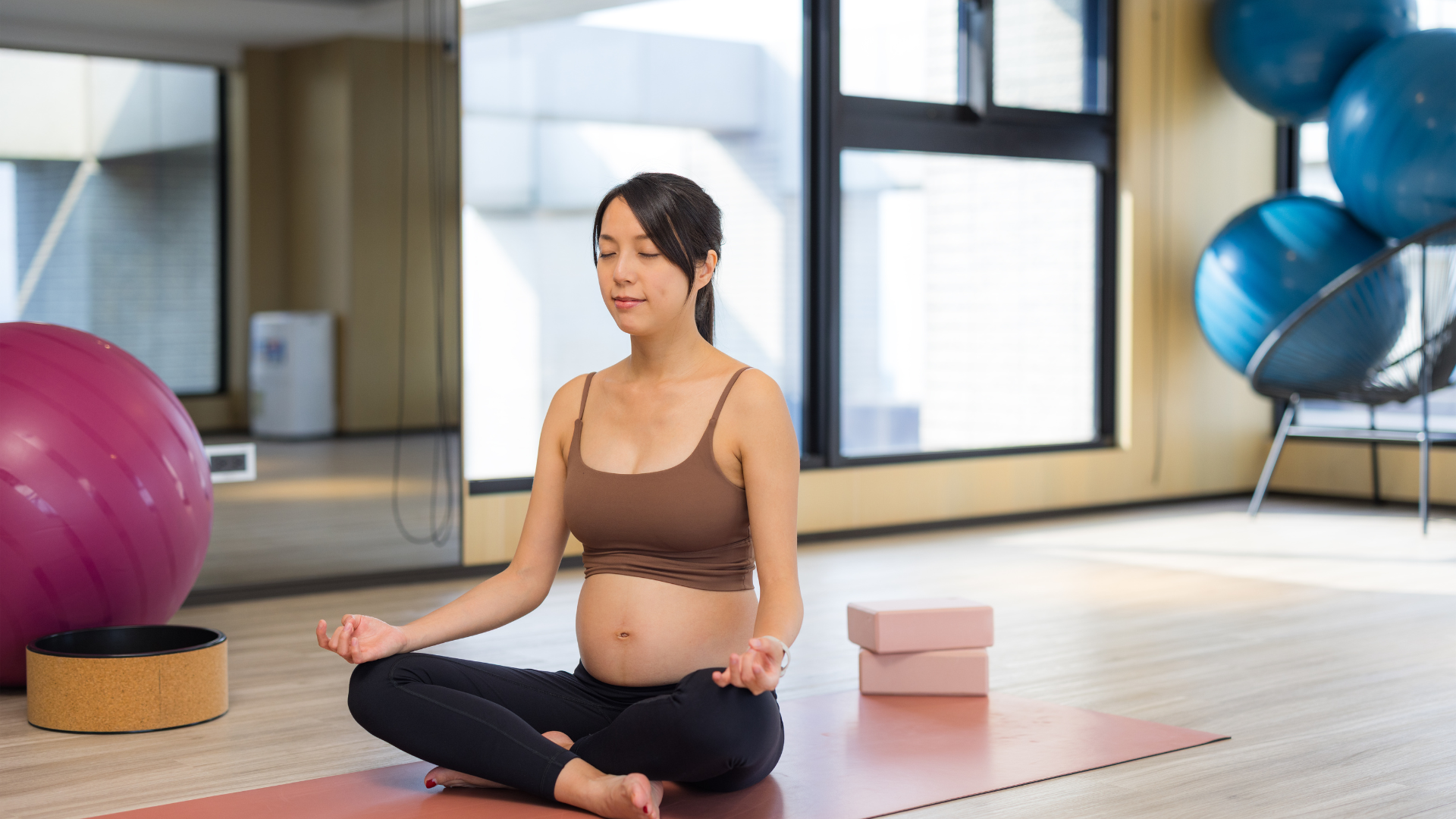
8. Easy Pose with Breathing (Sukhasana Pranayama)
A simple seated posture that encourages mindful breathing and emotional balance.
- How to practice: Sit cross-legged with a tall spine, place hands on knees, and focus on slow, deep breaths.
- Benefits: Calms the nervous system, reduces stress, and improves focus.
9. Supported Bridge Pose (Setu Bandhasana with Props)
This restorative posture opens the chest and hips while reducing fatigue.
- How to practice: Lie on your back with knees bent and feet on the floor. Place a block or cushion under the lower back for support. Relax the arms at the sides.
- Benefits: Relieves lower back pain, opens the chest, and boosts energy levels.
10. Savasana with Support (Corpse Pose with Props)
A modified relaxation pose ideal for expectant mothers. Instead of lying flat, props are used to support comfort.
- How to practice: Lie on the side with a pillow between the knees and under the head. Close the eyes and breathe naturally.
- Benefits: Promotes deep relaxation, reduces anxiety, and restores energy.
Tips for Safe Practice During Pregnancy
While yoga is highly beneficial during pregnancy, safety is essential. Here are a few evidence-based tips supported by recent statistics from India:
- Always consult your doctor before starting any new exercise regimen during pregnancy.
- Be aware that although awareness is high, actual practice is low: in a survey of 6,000 expecting and new mothers by Mylo, 91% agreed that prenatal exercise is healthy, 85% believed yoga is beneficial during and after pregnancy, but only 7% actually practiced prenatal or postnatal yoga.
- Incorporate low-impact, gentle postures and use props (blocks, bolsters, cushions) for support.
- Avoid lying flat on the back for extended periods, especially after the first trimester.
- Listen to your body—if a pose causes pain, discomfort, dizziness, or shortness of breath, stop immediately.
These precautions help ensure safety for both mother and baby.
How Yoga Supports a Healthy Pregnancy Journey
Yoga is more than just physical exercise; it’s a holistic practice that nurtures the body, mind, and emotions. Expectant mothers often face stress, sleep issues, and physical discomfort, all of which yoga helps alleviate. By practicing regularly, women feel more confident, connected, and empowered throughout pregnancy.For mothers who prefer structured guidance, Online Yoga Classes provide flexible access to expert-led sessions. These classes ensure that each pose is practiced safely while offering modifications tailored to each stage of pregnancy.
Conclusion
Pregnancy is a beautiful yet challenging journey that requires care, strength, and balance. Gentle yoga offers a safe and effective way for expectant mothers to stay active, release tension, and prepare for childbirth. The ten poses highlighted above are specially designed to reduce discomfort, improve flexibility, and promote relaxation at every stage of pregnancy. With mindful breathing and supported postures, mothers-to-be can nurture both physical and emotional well-being. Practicing yoga consistently not only strengthens the body but also calms the mind, creating a deeper connection with the baby. Guided by trusted experts like Shyambhai yoga, women can embrace pregnancy with confidence, peace, and joy while cultivating a healthy foundation for motherhood.
Inquiry
If you have any questions, please feel free to reach out. We’ll be glad to help!