

What Role Does Online Postnatal Yoga Play in Emotional Healing?

Welcoming a newborn into the world is one of the most beautiful yet challenging experiences a woman can go through. Along with the joy of holding a baby comes sleepless nights, physical exhaustion, fluctuating hormones, and a rollercoaster of emotions. It’s not unusual for new mothers to feel overwhelmed, anxious, or even disconnected from themselves in the postnatal period. This is where practices like online postnatal yoga come into play, offering not just physical recovery but also emotional healing. Programs, including those by Shyambhai yoga, highlight how these gentle, guided practices can help mothers restore balance in both mind and body.
In this blog, we will explore the emotional challenges of the postnatal period, how yoga can be a holistic tool for healing, and why the online format is making it more accessible and transformative for mothers everywhere.
Understanding Emotional Challenges After Childbirth
Motherhood often comes with an unspoken expectation of constant happiness. However, the reality is that many new mothers experience a wide range of emotions that can feel confusing and overwhelming. With the availability of Online Post Natal Yoga Classes, more women are finding effective ways to cope with these struggles while staying connected to themselves. Some common emotional challenges include:
- Postpartum Mood Swings
Due to hormonal changes, mothers may feel elated one moment and tearful the next. - Anxiety and Overwhelm
Worries about the baby’s health, managing responsibilities, or losing personal identity can create chronic stress. - Feelings of Isolation
The shift from a social life to staying at home with a newborn can make mothers feel lonely. - Postpartum Depression
A more serious condition, postpartum depression can leave mothers feeling disconnected, exhausted, and unable to enjoy motherhood.
These emotional struggles are real and valid, and addressing them is crucial for both mother and baby. This is where yoga, especially in its mindful and restorative postnatal form, plays a healing role.
How Yoga Supports Emotional Healing
Yoga is more than just physical stretches and poses. It integrates breathwork, mindfulness, and movement in ways that calm the nervous system, release tension, and promote a deep sense of well-being. For new mothers, postnatal yoga offers the following emotional benefits:
1. Stress Reduction
Breathing exercises like pranayama activate the parasympathetic nervous system, reducing anxiety and stress hormones. This helps mothers feel calmer even amidst the chaos of caring for a newborn.
2. Improved Mood and Energy
Gentle movements encourage blood flow, increase oxygen supply, and release endorphins, which uplift mood and reduce fatigue.
3. Body Acceptance and Confidence
Many mothers struggle with body image after childbirth. Yoga promotes body awareness without judgment, helping them reconnect positively with their changing bodies.
4. Mindfulness and Presence
Practicing mindfulness on the mat translates into being present with the baby. Instead of worrying about the future or dwelling on exhaustion, mothers learn to cherish small moments.
5. Emotional Release
Some yoga poses and breathwork techniques allow stored emotions to surface and release, offering relief from suppressed sadness, anger, or fear.
Also read, “Yoga Poses You Can Do While Holding Your Newborn”
Why Online Postnatal Yoga is Transformative

While in-person yoga classes are valuable, online platforms have opened new doors for mothers who may not otherwise be able to attend. Here’s why the online format works so well for emotional healing:
1. Convenience for Busy Mothers
Traveling to a studio with a newborn is rarely practical. Online classes allow mothers to practice at home, fitting sessions into their unique schedules.
2. Safe Space for Vulnerability
Being at home makes mothers feel less self-conscious. They can cry, pause, or adjust poses without worrying about being judged.
3. Access to Expert Instructors Worldwide
Mothers are no longer limited to local classes. Online sessions connect them with skilled yoga instructors specializing in postnatal recovery and emotional healing.
4. Community Support
Many online platforms include group classes or forums where mothers can connect, share stories, and support each other—reducing isolation.
5. Recorded Content for Flexibility
When a live class isn’t possible, recorded sessions allow mothers to practice at their own pace, ensuring consistency.
The Connection Between Yoga and Maternal Identity
Motherhood often shifts a woman’s identity completely. In caring for a child, many mothers forget to care for themselves, leading to emotional exhaustion. Yoga creates a sacred space for self-care and reflection. By dedicating even 20 minutes a day to mindful movement, mothers reclaim a sense of self, reminding themselves that their well-being matters too.
This shift in identity—from “just a mother” to a whole individual—enhances confidence and nurtures healthier emotional patterns. Over time, mothers develop resilience and balance, which positively influences their relationships with partners, families, and, most importantly, their babies.
Scientific Evidence Supporting Postnatal Yoga
Several studies underscore yoga’s profound effects on emotional well-being in the postpartum phase. A 2015 study in the Journal of Alternative and Complementary Medicine found mothers practicing yoga reported lower levels of postpartum depression and anxiety than those who did not. A 2020 study in Women and Birth showed mindfulness-based yoga programs improved new mothers’ sleep quality and emotional regulation. More recently, a major report highlighted that just 80 minutes of light to moderate exercise per week—including yoga—can reduce the risk of postnatal depression by up to 45 %.These findings affirm that yoga is not just exercise—it is therapeutic for the mind and spirit.
Practical Tips for Mothers Starting Online Postnatal Yoga
If you’re considering starting postnatal yoga online, here are a few tips to make your journey more fulfilling. Many of these suggestions align with the growing popularity of Online Yoga Classes, which are designed to make wellness accessible and flexible for everyone:
- Consult Your Doctor
Ensure you get medical clearance before starting, especially if you had a C-section or complications during childbirth. - Choose Specialized Classes
Look for instructors experienced in postnatal yoga, as they understand the unique needs of new mothers. - Start Slow
Begin with short sessions of 10–15 minutes, gradually increasing as your strength and energy return. - Create a Peaceful Space
Even a small corner with a mat, blanket, and water bottle can become your personal sanctuary. - Stay Consistent
The emotional benefits of yoga compound over time. Even a few minutes daily can make a big difference. - Listen to Your Body
Avoid pushing yourself too hard. Remember, postnatal yoga is about healing, not performance.
A Holistic Approach to Emotional Healing
While yoga is powerful, emotional healing is often multifaceted. Postnatal yoga works best when combined with other forms of support:
- Therapy and Counseling
For mothers experiencing severe postpartum depression or anxiety, professional help is essential. - Balanced Nutrition and Hydration
A nourished body supports a stable mind. - Adequate Rest
Though challenging with a newborn, prioritizing sleep where possible enhances emotional balance. - Social Support
Connecting with friends, family, or other mothers helps reduce feelings of isolation.
Together, these practices create a strong foundation for emotional resilience and recovery.
The Long-Term Benefits for Mother and Child
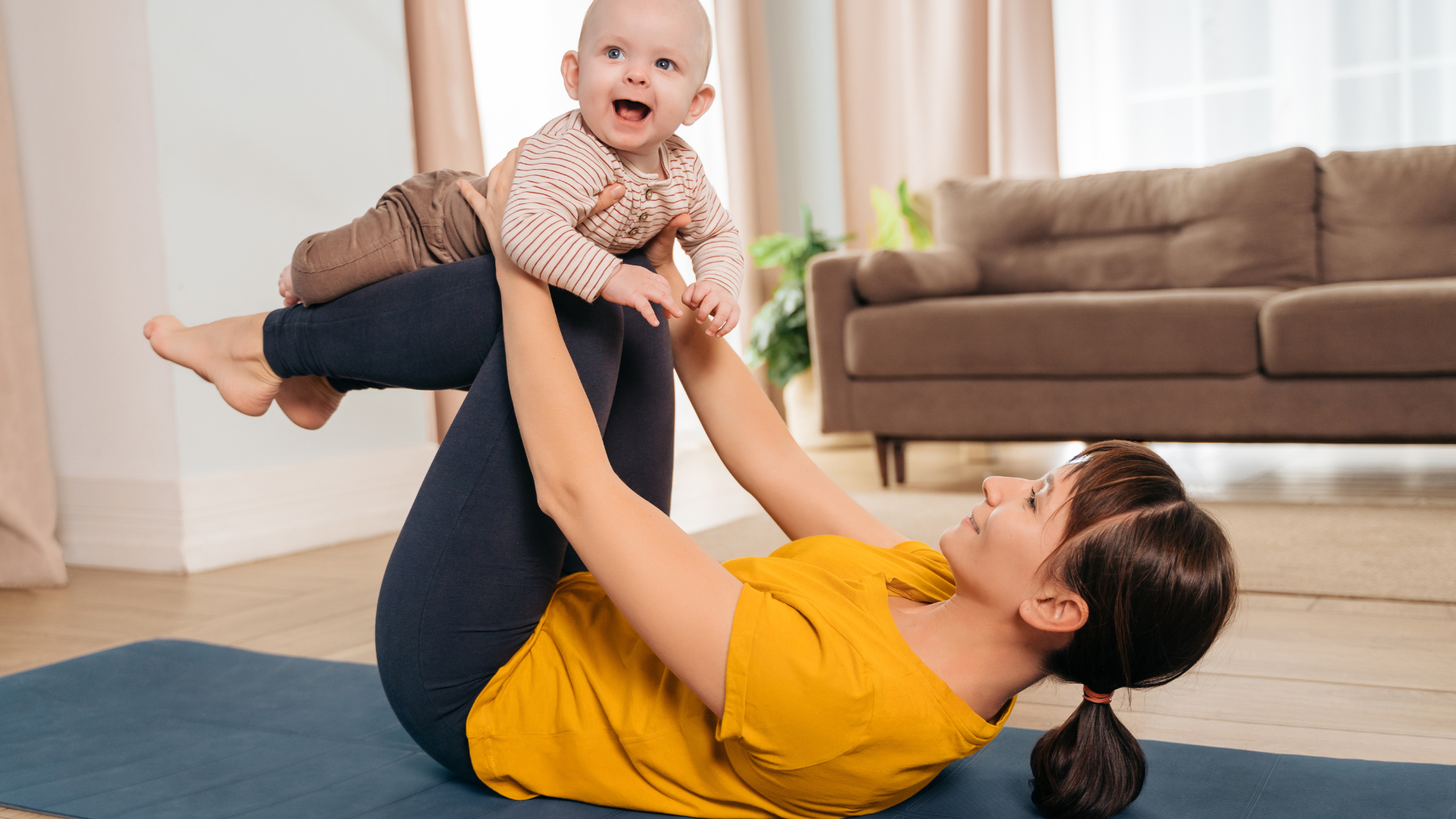
Emotional healing through yoga doesn’t just benefit the mother; it positively impacts the baby as well. A calm, emotionally balanced mother is more likely to bond deeply, respond sensitively, and nurture a secure attachment with her child. Over time, this sets the foundation for the baby’s emotional well-being too.
Furthermore, as children grow, they often mirror their parents’ behaviors. A mother who practices mindfulness and self-care through yoga models healthy emotional management, passing down resilience to the next generation.
Final Thoughts
Postnatal emotional challenges are real, but they don’t have to define the journey of motherhood. Online postnatal yoga is emerging as a gentle yet powerful tool for emotional healing.As practices like Shyambhai yoga show, postnatal yoga is not just about regaining strength—it is about embracing wholeness, nurturing self-compassion, and stepping into motherhood with grace and emotional harmony.
Inquiry
If you have any questions, please feel free to reach out. We’ll be glad to help!