
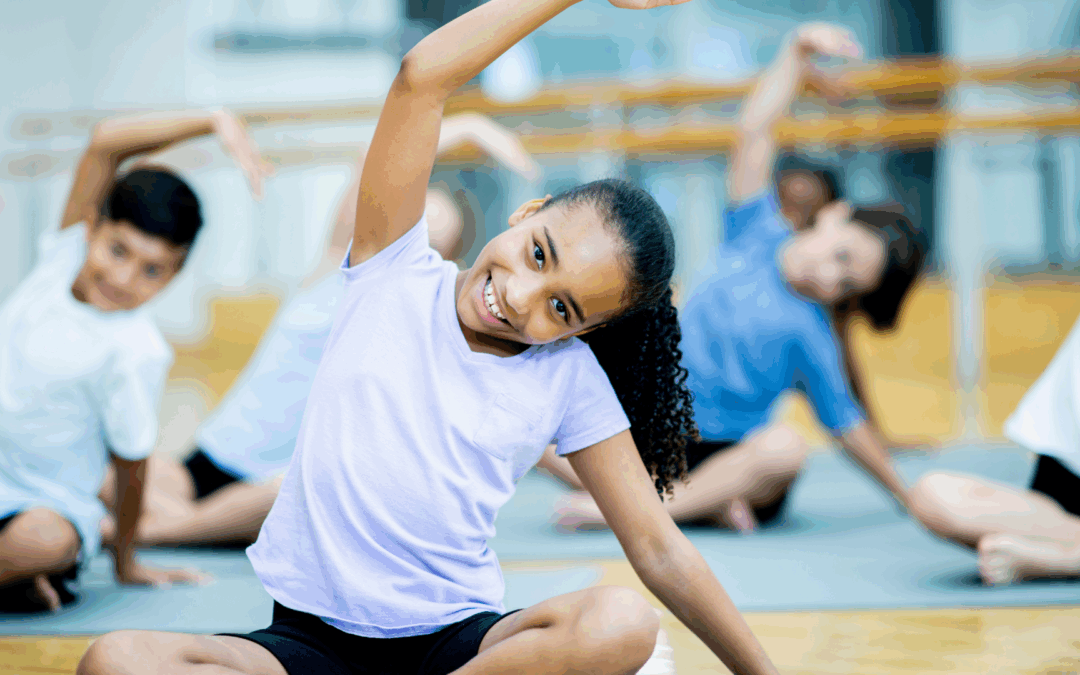
What Makes Yoga the Ultimate After‑School Activity?
In today’s fast-paced world, children juggle school, homework, extracurricular commitments, and screen time—often feeling overwhelmed by the end of the day. In response, many parents and educators are turning toward a holistic solution that addresses physical, mental, emotional, and social well‑being, all at once: yoga. In particular, Online Yoga Classes for kids make it possible for young ones to engage in purposeful movement and mindfulness from the comfort of home.
In this comprehensive blog post, we’ll explore why yoga stands out as the ultimate after‑school activity—not just as a pastime, but as a powerful practice with long‑term benefits for growing bodies and minds.
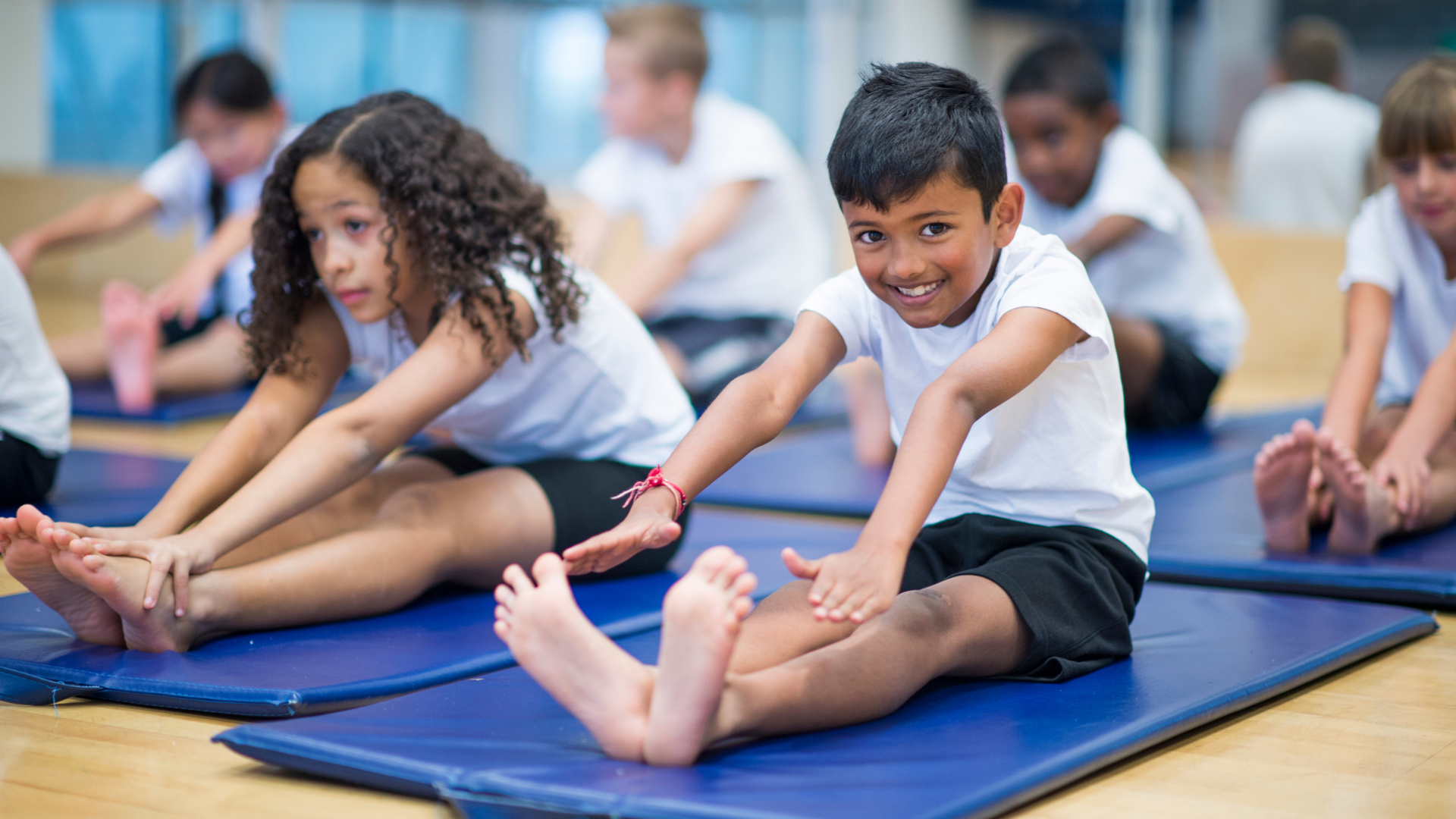
kids yoga
1. A Gentle Transition from School to Home
School days—filled with structured schedules, social dynamics, testing, and constant stimulation—often leave children feeling mentally and physically fatigued. Yoga offers a calm bridge between that intense environment and the comfort of home. Gentle postures, breathwork, and mindfulness exercises help children release pent‑up tension, tune into their body and breath, and ease into a more relaxed, receptive state.
Rather than plopping down with a device or jumping into more high‑speed activity, yoga provides space to transition consciously, helping kids recharge in a way that sets a positive tone for the rest of the afternoon.
2. Physical Strength, Mobility & Coordination
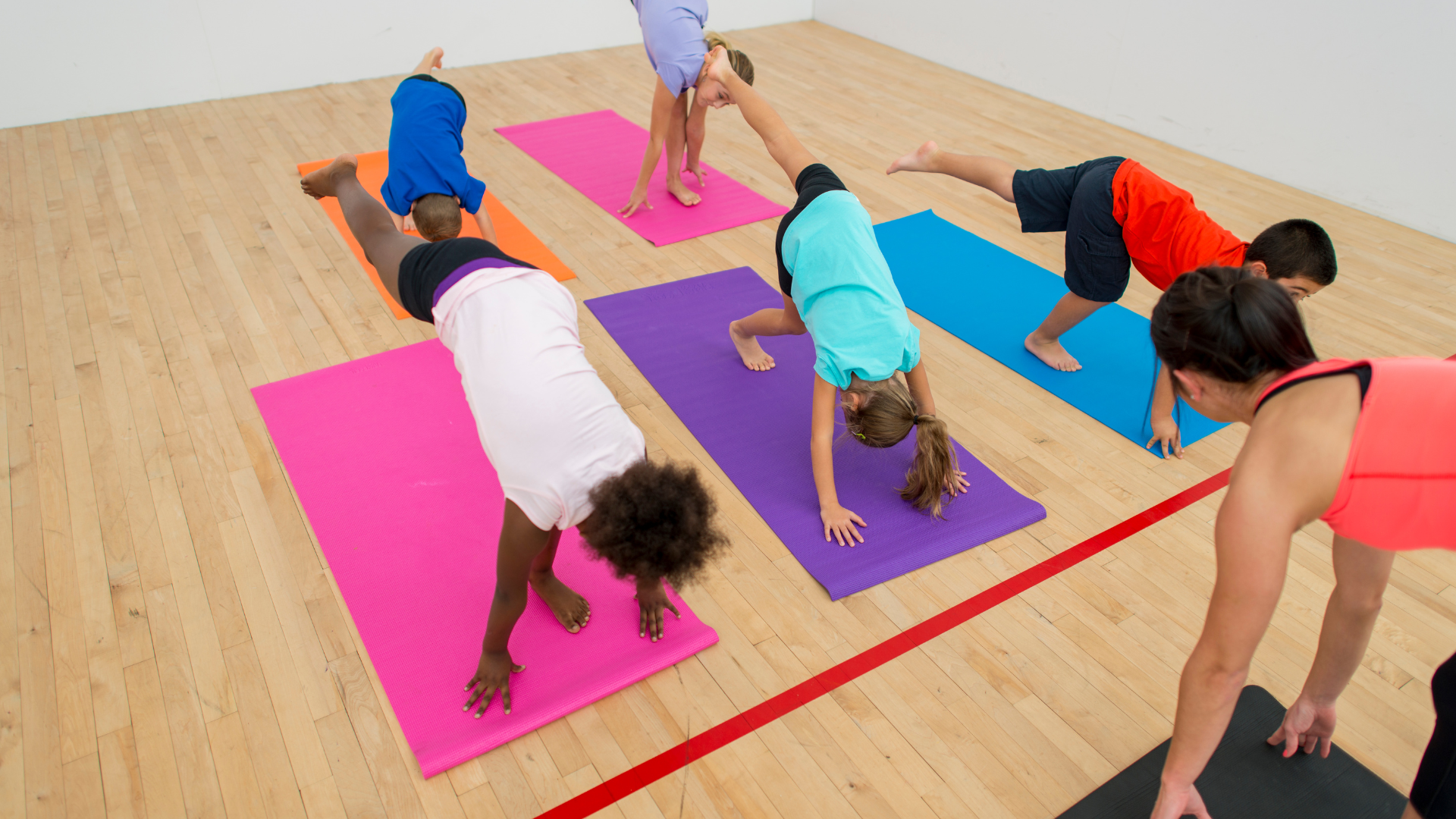
It’s a common misconception that yoga is passive or easy. In reality, many foundational yoga poses—like Plank, Warrior I and II, Chair Pose, or Balance poses—engage muscles, build core strength, improve posture, and enhance coordination. For children still refining motor control, these benefits are invaluable.
Unlike some high-impact sports that may risk injury or strain, yoga emphasizes controlled movement and body awareness. This helps kids develop strength and flexibility safely, even as their bodies grow. The strength-building and balance‑enhancing elements also support better alignment—sitting upright during study time, navigating stairs or playground equipment, or even sitting comfortably at a desk.
3. Sharpening Focus & Mental Clarity
Academic success today relies on more than rote memorization—it demands sustained focus, self-discipline, and cognitive flexibility. Yoga teaches children to stay present: aligning breath with movement, tuning into subtle body sensations, and holding stillness with intention.
By strengthening attention and reducing distractibility, yoga can translate into deeper concentration during classes and homework, improved memory retention, and better impulse control when distractions arise. Over time, kids build a more resilient “attention muscle,” which supports learning and day-to-day functioning.
4. Emotional Regulation & Resilience
Many children struggle with stress, anxiety, frustration, or mood swings—especially as they navigate school pressures, peer relationships, and transitions. Yoga offers tools like pranayama (breathing techniques), guided imagery, and grounding poses that help children tune into their emotions, pause mindfully, and choose calmer responses.
Learning to recognize physical signs—tightness, tension, rapid heartbeat—helps kids interrupt emotional reactivity before it escalates. Regular practice builds inner resilience: children become more equipped to notice when they’re upset, breathe through it, and return to a balanced state. These skills transfer to daily life: test anxiety, arguments with friends or siblings, overstimulation from screens—yoga gives kids an emotional toolbox.
On June 20, 2025, over 22,000 tribal students (grades 4–10) from ashram and residential schools in Andhra Pradesh performed 108 Surya Namaskars together, setting a Guinness World Record. Around 13,000 girls and 9,000 boys participated. Following this, the state government announced plans to implement weekly yoga sessions in schools across Andhra Pradesh.
5. Managing Screen Time & Reducing Hyperactivity
After‑school hours often default to passive screen engagement—video games, streaming, social media—which may lead to overstimulation, shorter attention spans, and restless behavior before bedtime. Yoga counters this by redirecting energy through mindful movement and slowing the nervous system down.
Children—even those with ADHD or high activity levels—benefit from structured, calming movement that encourages focus rather than chaos. A well‑designed kids’ yoga session channels energy constructively: active poses release excess energy and breathing/relaxation components ease mental overload. This combination can reduce restlessness, support better transitions into evening routines, and improve overall mood regulation.
6. Confidence, Self‑Awareness & Body Positivity
Yoga is about personal exploration, not competition or comparison. When children learn a pose for the first time or gradually hold it longer, they witness their own progress in real time—and feel a sense of accomplishment that builds genuine confidence.
Body awareness grows, too: kids learn to recognize what feels good, what causes strain, and how to respect their own boundaries. This fosters a positive relationship with their body, independent of achievement or external validation. Over time, they become more attuned to physical cues like hunger, fatigue, and emotion—nurturing self-awareness and self-trust that’s rare in hectic childhood schedules.
7. Mindful Habits & Lifelong Discipline
Routine yoga practice encourages consistency and gives children agency over their own well-being. A regular short session after school helps shape habits: setting aside time devoted to self-care, checking in with internal states, and honoring physical needs. Unlike mandatory classes or structured team sports, yoga enables intrinsically motivated engagement—helping children internalize discipline without pressure.
This self-directed consistency supports other daily habits—like turning in assignments on time, following through with commitments, and caring for one’s physical and mental health long-term.
8. Supports Better Sleep & Recovery
Quality sleep is foundational to children’s growth, mood, and cognitive function—but many kids struggle with nerves, overstimulation, or screen-induced alertness at night. Yoga helps activate the parasympathetic nervous system, signaling the body that it’s time to wind down.
Evening-friendly sequences—featuring gentle forward bends, lying poses, and deep breathing—can reduce physical tension and mental chatter. When practiced consistently, these techniques often lead to more restful, uninterrupted sleep, which supports energy levels, focus, and mood the next day.
Also check out our blog, Why Online Yoga Is the Perfect Indoor Activity for Your Energetic Child
9. Social Connection Without Competition
Whether practiced in small groups at home, school, or in live online classes, yoga offers social engagement that’s gentle, cooperative, and inclusive. Kids learn to share space, observe others respectfully, follow cues, and support one another’s journeys—without competing or performing.
In group sessions, instructors emphasize kindness, encouragement, and mindful awareness. This cooperative environment nurtures social skills like empathy, listening, patience, and kindness—important traits that serve well in school, friendships, and future teamwork.
10. Versatile for All Ages, Abilities & Personalities
Every child is different: some thrive in fast‑paced team sports, others seek quiet introspection. Yoga adapts. Whether a child is timid, exuberant, introverted, or energetic, yoga meets them where they are—offering adjustments, thematic flows, storytelling, or playful movements that resonate.
Because yoga emphasizes exploration over performance, children of diverse abilities (including those with physical limitations or sensory sensitivities) can participate meaningfully. The flexibility to tailor sessions by theme—like animal poses, imaginary journeys, or breathing games—further enhances accessibility and engagement.

Safety Tips & How to Get Started
-
Start short: Even 10–15 minutes a day can make a big difference.
-
Find age-appropriate instruction: Kids respond best to live-led or story-driven sessions with playful cues and clear visuals.
-
Create a quiet space: A yoga mat in a clutter-free area helps reduce distractions and create ritual.
-
Focus on breath over shape: Encourage breathing and mindfulness—poses are secondary to staying present.
-
Honor limits: Teach children to listen to their bodies—no forcing, no comparing.
Many parents prefer joining sessions with their children or observing the class to reinforce habits. Whether at home or school, once a routine is established, it often becomes a cherished, self-initiated habit.
Conclusion
At its heart, yoga for children is more than just another after‑school activity—it’s a holistic practice that nurtures physical health, emotional resilience, cognitive clarity, and social confidence. It helps children develop habits that support well-being long beyond childhood.
From flexible, low-impact movement to breath awareness, focus training, and emotional regulation techniques, yoga delivers benefits that few other activities can match in such a balanced, integrated way.
And with the convenience of Online Yoga Classes, it’s easier than ever to weave yoga into your child’s routine—without travel, without pressure, and guided by professionals who know how to engage young minds and bodies.
Invite yoga into your child’s after-school hours, and you may find they approach homework with more focus, unwind calmly each evening, and sleep better at night—growing more confident, balanced, and centered with every breath.
Inquiry
If you have any questions, please feel free to reach out. We’ll be glad to help!