

How to Launch a Successful Corporate Yoga Program
Today, many companies are realizing that their employees need more than just a paycheck to stay motivated and healthy. They need support in balancing work stress, maintaining physical well-being, and feeling mentally refreshed. One effective and modern solution is offering a yoga program at the workplace. With the rise of remote and hybrid working, many organizations are now starting Corporate Yoga programs to improve employee health, increase focus, and build a more positive work culture.
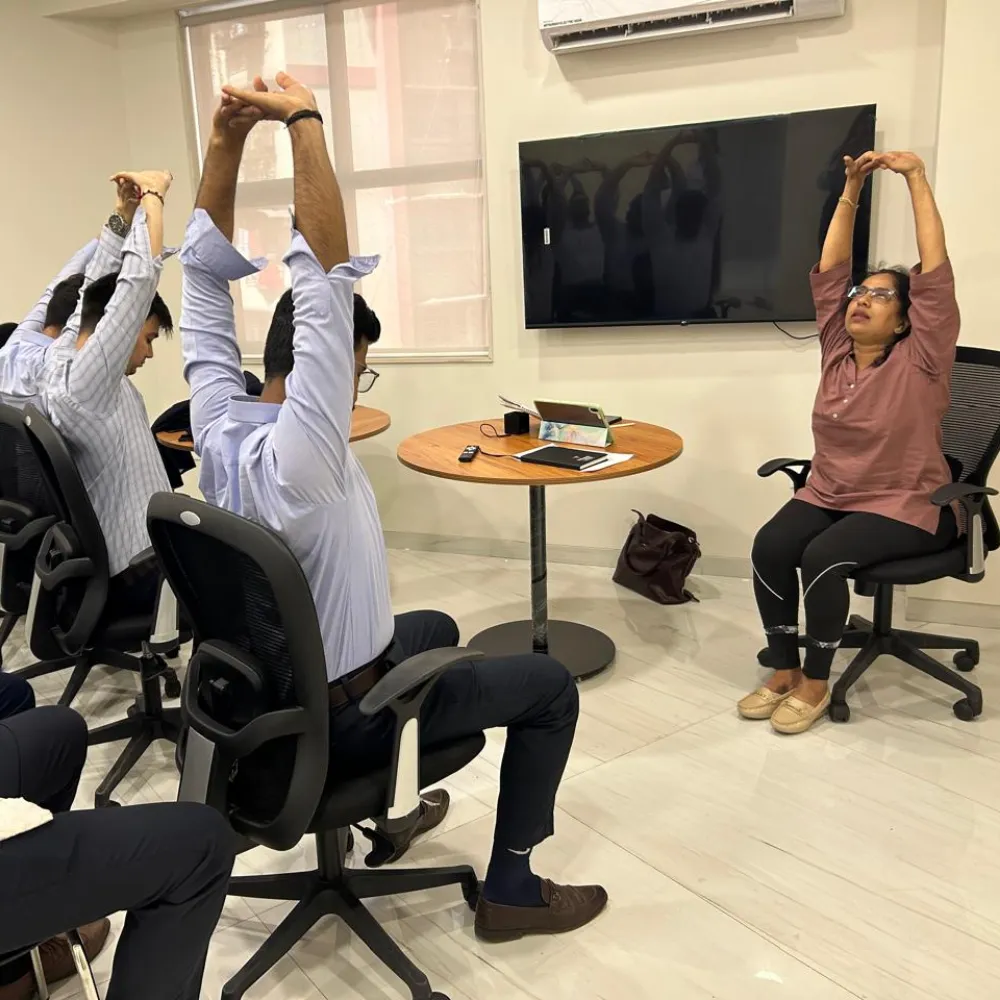
Starting a corporate yoga program might sound like a big task, but with the right steps and guidance, it can be smooth, fun, and rewarding. You don’t need to be a wellness expert. You simply need a clear plan and a good yoga provider who understands the needs of working professionals.
Why Corporate Yoga Is a Good Idea
Employees spend a big part of their day sitting in front of screens. This often leads to back pain, neck stiffness, tired eyes, and even anxiety or burnout. Yoga offers a perfect solution to all these problems. A short session during the day can reduce tension in the body, improve breathing, and calm the mind.
Yoga doesn’t only benefit individuals; it also helps the whole team. When employees feel better, they work better. They are more focused, make fewer mistakes, and feel happier overall. A healthier team means fewer sick days, better team spirit, and higher productivity. That’s why many leading companies include yoga as part of their employee wellness plans.
Also read Why Personalized Yoga Practice Is Essential for Authentic Growth
Corporate yoga programs can be easily customized. Some companies offer short 15-minute desk stretches, while others schedule full 45-minute virtual sessions. It all depends on your team’s schedule and comfort. That’s the beauty of yoga—it’s flexible and can be shaped around your business.
Steps to Start Your Corporate Yoga Program
The first thing to do is understand your team’s needs and interests. You can send out a short survey asking employees if they’d like to join a yoga session, when they’d prefer to attend (morning, lunch break, or evening), and whether they’d prefer online or in-person classes.
Next, you should choose a trusted yoga partner who can guide your company in the right direction. A good provider of corporate yoga will not only offer experienced instructors but also understand the challenges of office life—tight schedules, mixed fitness levels, and limited space. They’ll be able to suggest simple and safe yoga routines that suit everyone, even beginners.
Also, think about where the sessions will happen. If your team works in the office, you’ll need a quiet room with enough space. If your team works from home or different locations, then online classes are ideal. Online sessions give everyone the freedom to join from their own home or desk, making yoga easy and stress-free to attend.

After you finalize the logistics, it’s time to schedule the sessions. Make sure the time works for most people and doesn’t clash with meetings or busy hours. Starting with one session per week is a good way to test interest. You can always add more classes once people get comfortable.
Promote the program with friendly messages, posters (if in-office), or emails. Remind your team that they don’t need to be flexible or fit to join. Everyone is welcome, and all exercises can be done at their own pace. This helps to remove the fear or hesitation many beginners feel.
What a Good Corporate Yoga Session Looks Like
A well-designed corporate yoga session is different from a regular yoga class at a studio. It focuses on gentle stretches, breathing exercises, and movements that help with common office-related issues like stiff shoulders, sore backs, or mental fatigue.
The class may begin with a few minutes of deep breathing to calm the mind. This helps people leave behind their work stress and get ready to focus. Then, the instructor may lead into neck rolls, shoulder stretches, or seated spinal twists—simple movements that can be done even on a chair.
Some sessions may include standing poses to boost energy or short guided meditations to help with focus and relaxation. Everything is designed to be easy, effective, and beginner-friendly. The goal is not to sweat but to refresh the body and mind.

Corporate yoga sessions should also feel inclusive. Instructors often give options—such as doing a pose while seated if standing is uncomfortable. This encourages participation and ensures nobody feels left out.
Another great benefit of corporate yoga is how it builds team connection. When colleagues come together for wellness, it creates a sense of unity. People get to interact outside of work tasks, which boosts morale and builds a healthier company culture.
In 2024, 70 % of employees said wellness programs improved workplace culture, with 60 % feeling more inclined to stay longer at companies that support their health.
Tracking the Benefits and Getting Feedback
Once your program is up and running, it’s important to track its success. Ask employees how they feel after the sessions. Have they noticed changes in their energy or mood? Are they more focused during the day? This feedback helps you improve the program and show its value to your leadership team.
You might even notice a difference in the workplace without needing a survey—more smiles, better communication, and a more relaxed environment. These are signs that your wellness efforts are working.
Over time, you can add new options to the program. Maybe offer different types of yoga, such as chair yoga, meditation-only sessions, or yoga for stress relief. The more variety you provide, the more people you’ll engage.

Many companies also offer yoga challenges, like a 21-day habit challenge, to encourage employees to stick to their routines. These small events make yoga fun and turn it into a shared team goal.
Making It a Long-Term Success
The key to success with a corporate yoga program is consistency. One or two sessions are a good start, but regular sessions make a real difference. Try to build it into the company calendar so it becomes a normal part of the week.
Also, make sure leadership supports and joins in the program. When managers and team leads participate, it sends a strong message that wellness matters. It also shows that it’s okay to take a break and care for your health during work hours.
Encourage everyone to join, but never pressure them. Keep the program relaxed, flexible, and optional. This makes it feel like a benefit, not a task.
If your company is growing or has multiple teams in different locations, consider offering sessions in different time zones or formats. Some employees might prefer recorded classes they can do anytime, while others enjoy live sessions with group interaction.

And if you want to reach your team more easily, choose a platform that offers Online Yoga Classes, which allow employees from all over to attend sessions with just one click. Online yoga makes it simple to include everyone, no matter where they work.
Final Thoughts
Launching a corporate yoga program is one of the best investments you can make for your company. It shows that you care about your employees’ well-being and want them to succeed both at work and in life. Yoga helps people feel more relaxed, more focused, and more connected with each other—all of which leads to a happier and more productive workplace.
You don’t need a big budget or fancy tools to get started. Just a plan, a caring approach, and a trusted partner. With the help of an experienced provider like Shyambhai Yoga, your business can build a program that fits your culture, goals, and team needs.
Start small, listen to your people, and keep growing. Your team will thank you for it—and you’ll see the results in every part of your company.
Inquiry
If you have any questions, please feel free to reach out. We’ll be glad to help!