
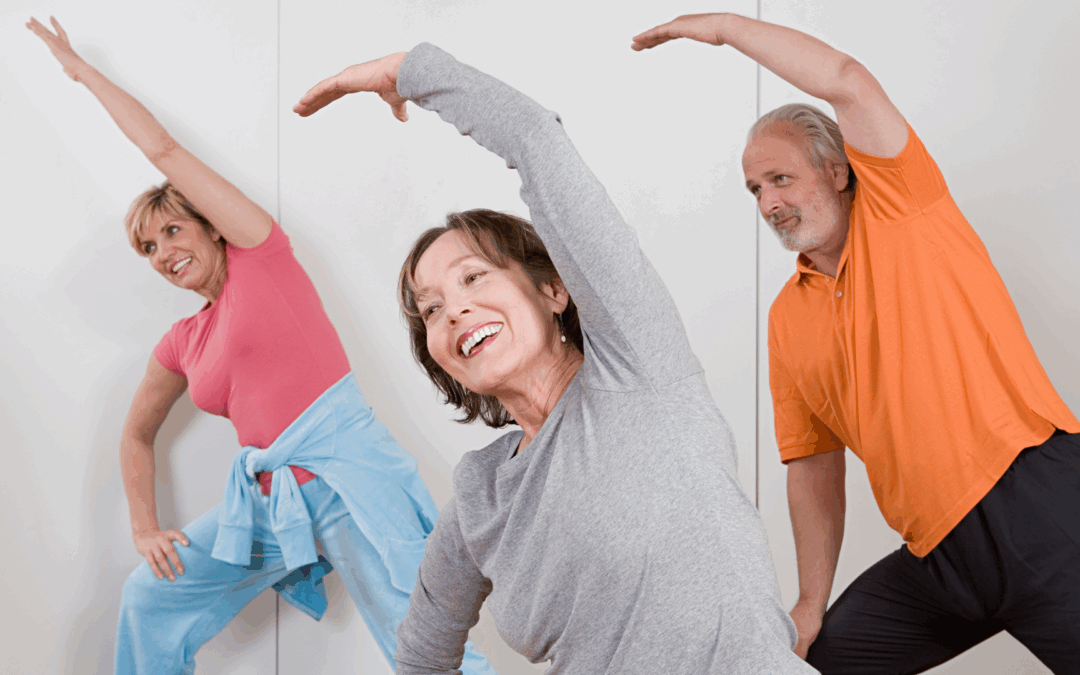
Tips for Practicing Yoga at Home Safely as a Senior
Starting a yoga practice at home can feel both exciting and a little scary, especially as we get older. But with the right guidance and a gentle approach, yoga becomes a wonderful way to stay active, increase flexibility, and improve balance without leaving your living room. If you’re looking for specially designed sessions that cater to mature bodies, consider Online Yoga Classes For Seniors to get started on the right foot. These classes are led by experienced instructors who understand the unique needs of seniors and provide modifications to keep every movement safe and effective.
Creating a Comfortable Practice Space
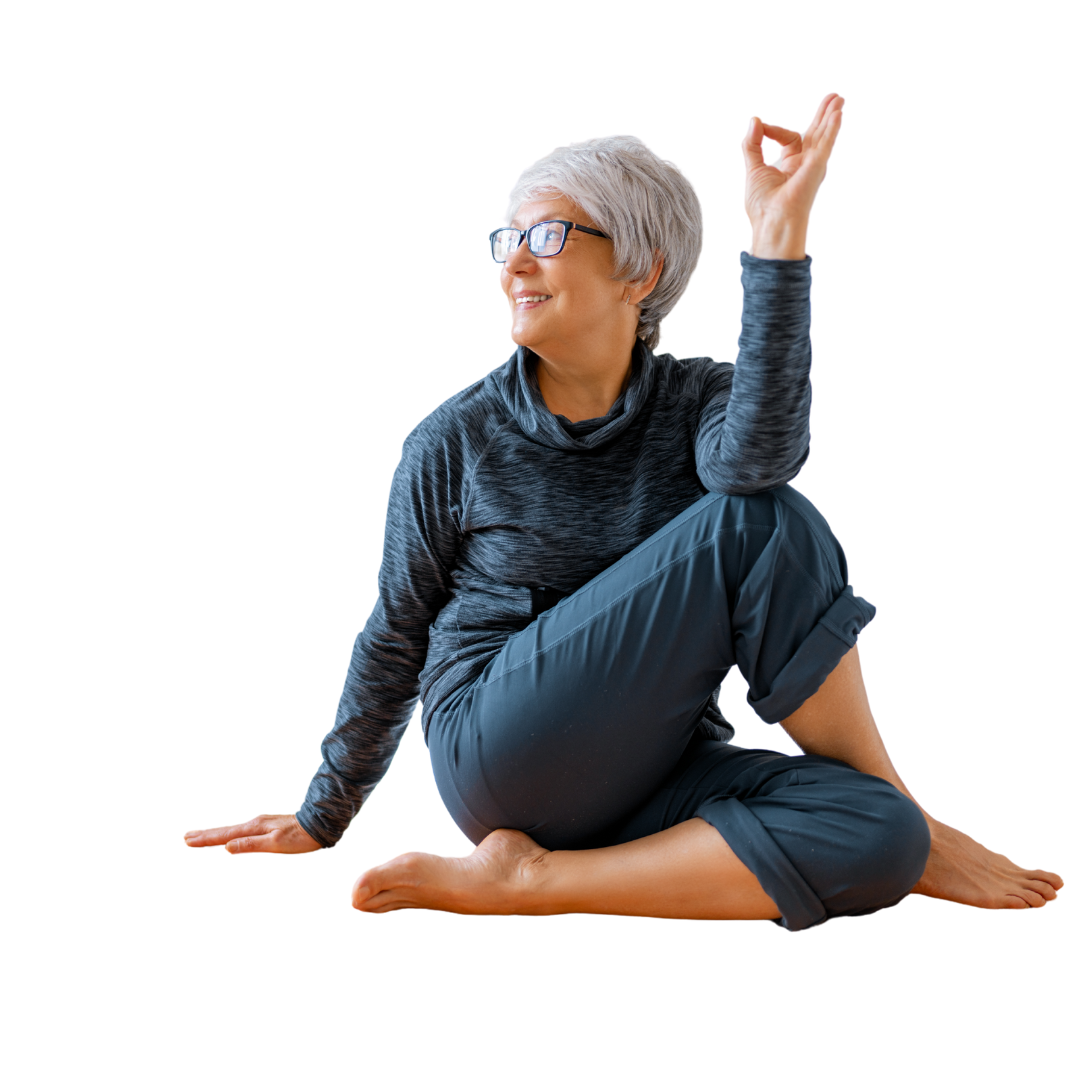
One of the first steps in practicing yoga at home is to set up a space that feels both inviting and safe. Choose a quiet corner of your home where you can lay out a yoga mat, free from clutter and distractions. Make sure there’s enough room around your mat to stretch your arms and legs without bumping into furniture or walls. Good lighting helps you see the instructor on screen clearly, and a stool or stable chair nearby can act as a prop or a resting spot if you need extra support.
Soft, non-slip flooring is ideal. If you only have carpet, place a sturdy yoga mat on top. You may also want to have a firm cushion or folded blanket close by to sit on or under your knees. Simple props like yoga blocks, a strap, or even rolled-up towels can help you reach and maintain poses comfortably. The goal is to create a calm, uncluttered environment where you can focus on your breathing and movements without worry.
Choosing the Right Style and Pace
Yoga comes in many styles, from gentle restorative classes to more vigorous flows. As a senior practitioner, it’s best to start with slow, gentle styles that emphasize balance, flexibility, and joint health. Hatha or chair yoga classes are a wonderful way to ease into the practice. They often include seated poses and standing poses held for a short duration, allowing you to build strength and confidence gradually.
Online lessons for seniors often offer clear, step-by-step instructions. You’ll learn how to move safely in and out of poses without straining your muscles or joints. Watching the instructor demonstrate a slower version of each pose first can give you time to adjust your posture and alignment before attempting the full movement. This method helps prevent injury and builds a solid foundation for more advanced practice later on.
Listening to Your Body
Perhaps the most important tip for practicing yoga safely is to listen to your body at every moment. As a senior, you may experience stiff joints, aches, or areas of tension that weren’t problems in your younger years. Pay close attention to how each pose feels, and never push into pain. A gentle stretch is good; sharp pain is a sign to ease off or choose a modified version of the pose.
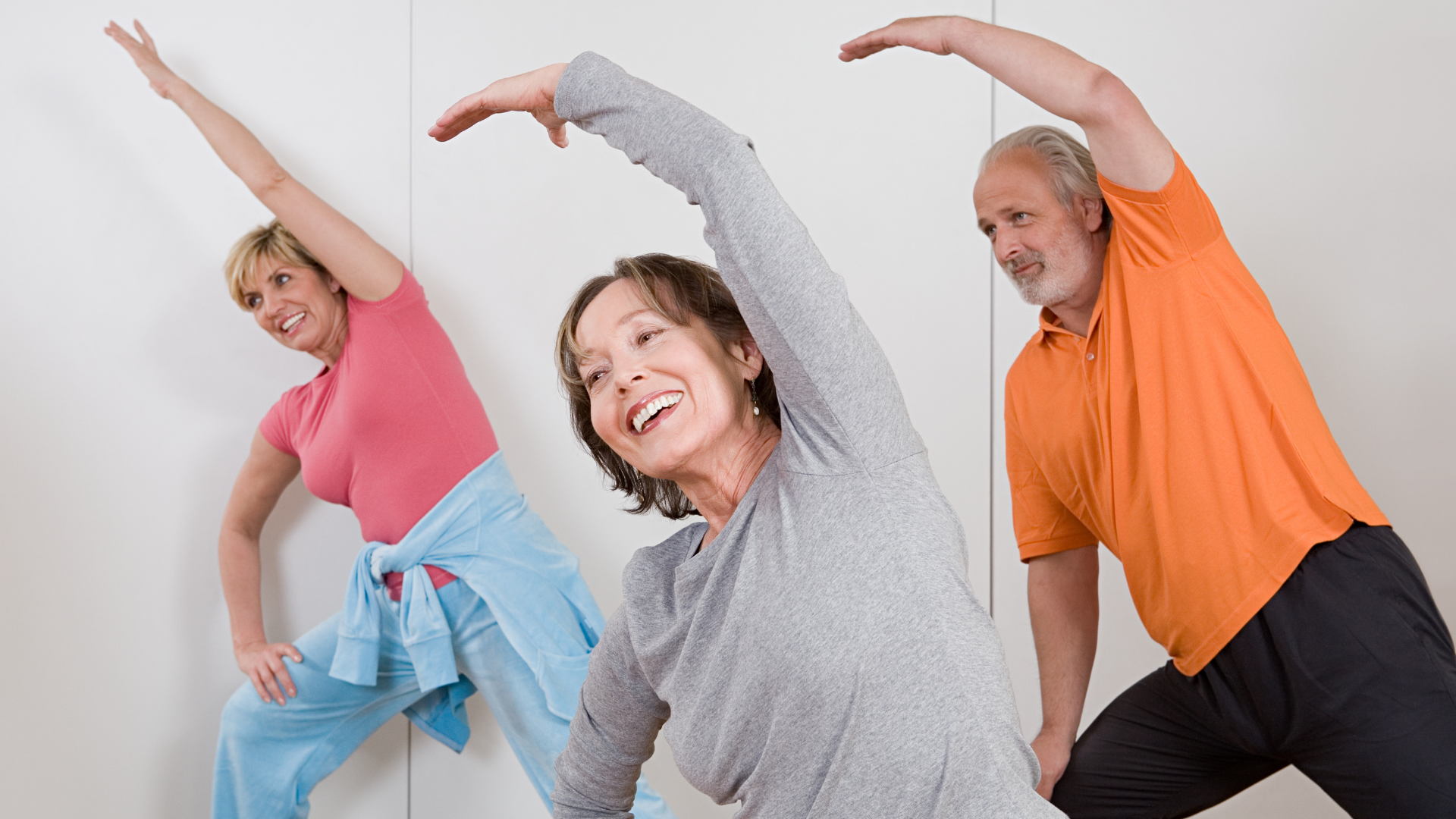
Breathing should remain steady and comfortable. If you notice yourself holding your breath or breathing shallowly, pause for a moment. Rest in a seated position or lie down with your knees bent until you feel ready to continue. Remember that yoga is not a competition. Your practice is about feeling better, moving easier, and increasing your well-being. Celebrating small improvements, like a slightly deeper stretch or better balance in a standing pose, will keep your motivation high.
Modifying Poses for Safety
Every body is different, and some yoga poses might need a little adjustment to suit your needs. Fortunately, many online classes for seniors include several modification options for each posture. For example, if standing on one leg feels unsteady, use a wall or chair for support. If reaching your hands to the floor in a forward bend is too much, place your hands on your shins or on a yoga block. These small tweaks allow you to work within your current range of motion and prevent overstretching.
Using props like straps can also help. In a seated forward fold, a strap looped around the feet lets you gently guide yourself deeper without rounding your back. In poses that require twisting, sitting on a folded blanket can raise your hips and make the twist more comfortable for your spine. As you build strength and flexibility over time, you may find you no longer need certain props, but they are invaluable for a safe, supportive practice in the beginning.
Incorporating Breathing and Mindfulness
Yoga is much more than physical exercise. It also teaches mindfulness and stress relief through breathing techniques. Simple breath awareness exercises can calm the nervous system and help you focus. At the start of your practice, take several slow, deep breaths, noticing the rise and fall of your chest and belly. Inhale through your nose to a count of three, and exhale gently to a count of four. This kind of mindful breathing prepares your body and mind for movement.
During the class, let your breath guide your pace. If a transition between poses feels too fast, pause on an inhale or exhale until you feel ready to continue. At the end of the session, many senior-friendly classes include a short guided relaxation or meditation. Even just a few minutes of lying quietly with eyes closed can leave you feeling refreshed and centered.
Building a Consistent Routine
Consistency is key to reaping the benefits of yoga, especially for seniors. Aim for short daily sessions rather than irregular, longer workouts. Even a ten-minute practice on most days can improve your balance, flexibility, and mood over time. Schedule your yoga at a regular time, such as first thing in the morning or right after lunch, to help make it a habit.
Online platforms make this easier by offering on-demand classes you can access whenever it suits you. Bookmark a few favorite routines—from gentle morning stretches to mild evening wind-downs—and plan your week around them. Seeing your practice on the calendar, just like an appointment, keeps you accountable and ensures you don’t miss out on the physical and mental rewards.
Monitoring Your Progress and Staying Inspired
As you steady your yoga practice, it’s encouraging to notice positive changes. You might find your joints feel less stiff, your posture more upright, or your balance more reliable. Keep a simple journal noting how you feel before and after each session. After a few weeks, you’ll see a clear pattern of improvement.

Staying inspired can also mean exploring new classes or teachers within your chosen platform. If you’ve been doing chair yoga, you might try a gentle flow or a restorative class focused on relaxation. Variety helps you stay engaged and prevents routine from becoming stale. Just remember to return to modifications if a new class feels too challenging at first.
Safety Tips and When to Seek Help
While yoga is generally safe for seniors, it’s wise to check in with your doctor before starting, especially if you have chronic conditions or recent injuries. If you experience sharp pain, dizziness, or shortness of breath during a session, stop immediately and rest. It’s better to lose a few minutes of practice than to risk injury.
If you’re unsure how to modify a pose or feel stuck at a certain level, reach out to your instructor. Many online classes include live Q&A sessions or community forums where you can ask questions and get personal guidance. Feeling supported not only ensures your safety but also keeps your practice enjoyable and effective.
Also Checkout How Does Yoga Help in Reducing Diabetes-Related Fatigue?
Embracing the Joy of Practice
Above all, practicing yoga as a senior should be a source of joy, not stress. Celebrate each moment you spend on your mat, whether you’re mastering a new stretch or simply enjoying a few minutes of calm. The slow, mindful movement of yoga builds strength, balance, and flexibility in a way that honors your body’s current abilities and respects its limits.
With time, you may find that yoga becomes more than exercise. It becomes a daily ritual that nurtures your body and mind, improves your overall health, and enhances your quality of life. There’s no rush, no pressure—just the steady, gentle path to feeling your best at any age.
To explore a wide range of classes designed to meet the needs of every family member, from kids to seniors, try Online Yoga Classes and bring the benefits of yoga safely into your home.
Inquiry
If you have any questions, please feel free to reach out. We’ll be glad to help!